

- soil-health-basics - Understanding lawn soil health and disease risk factors
- common-lawn-diseases - Identifying brown patch, dollar spot, and rust issues
- fungal-treatment-strategies - Practical lawn disease treatment methods
- seasonal-lawn-care - How weather impacts turf disease outbreaks
- preventive-maintenance - Long-term strategies to keep grass healthy
Why Lawn Health Matters More Than Most Homeowners Realize
A healthy lawn is more than just curb appeal. It reflects soil balance, moisture control, and proper maintenance routines. In many suburban neighborhoods across the United States, homeowners often notice sudden brown patches or thinning grass without realizing these are early signs of lawn diseases rather than simple “seasonal stress.”
One common story comes from a homeowner in Georgia who spent weeks watering his lawn more frequently during a humid summer, believing dryness was the issue. Instead, the extra moisture created the perfect environment for fungal growth, leading to widespread turf damage. This kind of misunderstanding is extremely common and highlights why proper knowledge of lawn diseases prevention is essential.
Understanding the Most Common Lawn Diseases
1. Brown Patch and Its Rapid Spread
Brown patch is one of the most aggressive turf diseases, especially in warm and humid climates. It often appears overnight as circular brown areas that expand quickly. The disease thrives in high nitrogen levels combined with excessive moisture, making over-fertilization and poor drainage key triggers.
Homeowners often mistake it for drought stress and water even more, unintentionally worsening the problem. A more effective approach is balanced watering and improving air circulation across the lawn.

2. Dollar Spot: Small but Persistent Damage
Dollar spot is characterized by small, silver-dollar-sized patches of dead grass. Although it seems minor at first, it can spread rapidly across large lawns if untreated. This disease is often linked to nutrient deficiency, particularly low nitrogen levels.
Professional lawn care specialists often recommend adjusting fertilization schedules instead of relying solely on chemical treatments. This is where structured turf disease solutions become important for long-term control.
3. Rust Disease and Seasonal Weakness
Rust appears as orange or yellow powder-like coating on grass blades. It is most common in late summer when grass growth slows. While it rarely kills grass directly, it weakens turf and makes it more vulnerable to other infections.
Regular mowing and proper nitrogen feeding can significantly reduce rust outbreaks, especially during transitional seasons.
Environmental Conditions That Trigger Lawn Diseases
Moisture Imbalance and Overwatering
One of the biggest contributors to lawn diseases is excessive moisture. Many homeowners assume daily watering improves grass health, but in reality, it often suffocates roots and encourages fungal growth.
Proper lawn disease prevention starts with understanding soil drainage and adjusting irrigation schedules based on rainfall and temperature.
Heat Stress and Seasonal Changes
High temperatures combined with humidity create ideal conditions for fungal outbreaks. During summer, lawns require different care routines compared to cooler seasons.
A landscaper in Texas once shared a case where a perfectly healthy lawn turned patchy within a week of a heatwave. The issue wasn’t lack of water but poor air circulation and excessive thatch buildup trapping moisture.
Effective Methods for Lawn Disease Treatment
Adjusting Watering Practices
The foundation of lawn disease treatment is proper watering. Instead of frequent shallow watering, deep and infrequent irrigation encourages stronger root systems. Morning watering is preferred because it allows grass to dry during the day, reducing fungal risk.
Improving Soil and Aeration
Compacted soil limits oxygen flow and increases disease vulnerability. Aeration helps loosen soil, allowing nutrients and water to penetrate deeper. This simple step dramatically reduces disease recurrence in many residential lawns.
Using Targeted Fungicide Applications
In severe cases, fungicides may be necessary. However, they should not be the first line of defense. Overuse can lead to resistance and long-term soil imbalance. Experts recommend combining chemical treatments with cultural improvements for best results.
Preventive Maintenance for Long-Term Lawn Health
Balanced Fertilization Strategy
Over-fertilizing is just as harmful as under-fertilizing. A balanced schedule tailored to grass type ensures steady growth without triggering disease outbreaks. Slow-release fertilizers are often preferred for consistent nutrient supply.
Regular Mowing and Grass Height Management
Mowing too short weakens grass, while mowing too long traps moisture. Maintaining optimal height improves airflow and reduces fungal growth risk. Sharp mower blades are also essential to prevent tearing grass blades, which can invite infection.
Thatch Control and Lawn Cleaning
Thatch buildup creates a barrier that traps moisture and organic debris. Regular dethatching helps maintain healthy airflow and reduces disease risk significantly.
Real-World Example: A Suburban Lawn Recovery Story
A homeowner in Illinois faced repeated lawn disease outbreaks every summer despite using fertilizers and watering regularly. After consulting a lawn care expert, the issue was traced back to compacted soil and poor drainage rather than nutrient deficiency.
After implementing aeration, adjusting watering schedules, and reducing fertilizer use, the lawn recovered within two months. This case highlights how lawn disease prevention is often about correcting environmental conditions rather than relying on quick chemical fixes.
Building a Sustainable Lawn Care Routine
Creating a long-term strategy is more effective than reacting to each outbreak. A structured lawn maintenance guide includes seasonal adjustments, soil testing, and consistent observation of grass behavior.
Homeowners who follow preventive routines tend to experience fewer disease outbreaks and lower maintenance costs over time. Platforms like Beautiful Landscapes can help guide homeowners toward more tailored lawn care solutions based on climate and grass type.
Practical Insights for Healthier Turf
Understanding lawn diseases is not just about identifying symptoms but also about recognizing the conditions that allow them to develop. Small adjustments in watering, mowing, and fertilization can completely change lawn resilience.
Experts consistently emphasize that prevention is far more effective than treatment. Once disease spreads extensively, recovery becomes slower and more expensive.
For homeowners looking to take their lawn care to the next level, exploring professional-grade lawn disease prevention strategies and products can make a significant difference in long-term turf health.


 McGinty Bros4.0 (6 reviews)
 Fiddlehead Gardens4.0 (24 reviews)
 Hawkeye Farm Services5.0 (31 reviews)
 Eubanks Environmental5.0 (10 reviews)
 A & A LawnCare4.0 (28 reviews)
 Walmart Patio & Garden Services0.0 (0 reviews)
 How to Restore Native Habitat in Your Backyard
 How to Use Companion Planting to Reduce Pests
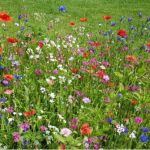 How to Convert a Lawn Into a Wildflower Meadow: Step-by-Step Guide
 How to Create a Garden Path That Leads & Connects - Beautiful Landscapes
 How to Plan & Build a Backyard Fire Pit Area for Maximum Enjoyment
 How to Use Curves vs. Straight Lines in Garden Design