
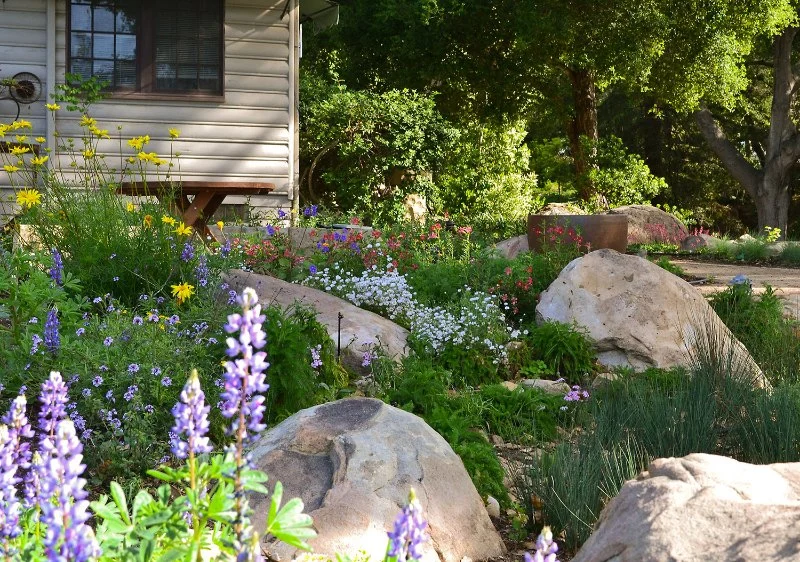
Designing a Landscape That Practically Takes Care of Itself
- site-selection-native-plants - understanding local soil and sunlight patterns before planting
- low-maintenance-structure - designing garden zones that reduce upkeep over time
- plant-selection-strategy - choosing species adapted to local climate conditions
- watering-efficiency-planning - building systems that reduce irrigation needs
- long-term-sustainability - creating a garden that improves year after year
A native plant garden that requires little care is not about neglect—it’s about working with nature instead of fighting it. In many American suburbs, homeowners spend weekends mowing, fertilizing, and replanting struggling ornamentals that were never meant for the local climate in the first place. Native landscaping flips that idea completely.
Instead of forcing exotic species into constant survival mode, this approach builds a living ecosystem where plants naturally thrive with minimal human intervention. One homeowner in Oregon shared how replacing half of their lawn with native grasses reduced watering needs by nearly 70% within the first summer season. That kind of transformation is not rare—it’s the expected result when the right design principles are followed.
Understanding the Logic Behind Native Plant Success
Why native species naturally outperform imported plants
Native plants have evolved over thousands of years in specific climates, meaning they already “know” how to survive local rainfall patterns, soil conditions, and seasonal changes. This makes them significantly more resilient than imported ornamental species that require constant human support.
In practical terms, this means fewer fertilizers, fewer pest treatments, and less watering. For example, prairie coneflowers in the Midwest can survive long dry spells without irrigation, while many decorative garden flowers would wilt within days under the same conditions.
The hidden ecosystem advantage most homeowners overlook
A well-planned native plant garden doesn’t just reduce maintenance—it builds a micro-ecosystem. Birds, bees, butterflies, and beneficial insects naturally return when food and habitat become available. Over time, these species help control pests and improve pollination, reducing the need for chemical intervention.
This is why many landscape designers now recommend integrating pollinator-friendly zones even in small residential yards. It creates a self-balancing system where nature assists in maintenance.
Planning a Low Maintenance Garden Layout
Breaking the yard into functional care zones
One of the most effective strategies is dividing your outdoor space into different care levels. High-visibility areas near entrances may receive more decorative planting, while distant zones are designed purely for ecological function. This reduces the time spent maintaining areas that don’t need constant attention.
A simple but powerful approach is to design “anchor zones” using hardy native shrubs. These act as structural backbone plants that require minimal pruning and provide year-round stability.
How spacing influences long-term maintenance
Crowded planting is one of the most common mistakes in home gardens. While it may look appealing at first, it often leads to competition, disease spread, and constant trimming. Native plant gardens benefit from intentional spacing that allows natural growth patterns to unfold.
Over time, properly spaced plants fill in naturally, reducing weed growth and eliminating the need for frequent intervention.
Choosing the Right Plants for Minimal Effort Gardening
Drought-resistant species that thrive without constant watering
In regions like California or Texas, drought tolerance is essential. Plants such as sage varieties, native grasses, and wildflowers are excellent choices because they are adapted to dry seasons. Once established, they can survive on rainfall alone in many cases.
This is where the idea of a native plant garden that requires little care becomes truly practical—it is built on species that already match environmental conditions.
Seasonal balance for year-round stability
A strong design includes plants that peak in different seasons. Spring bloomers, summer perennials, and winter structural plants create continuous visual interest without requiring replanting.
A gardener in Colorado shared how switching to native seasonal layering eliminated the need for annual flower replacements entirely, saving both money and time every year.
Soil Preparation That Reduces Future Work
Why soil health matters more than fertilizer
Healthy soil is the foundation of a low-maintenance garden. Instead of relying on synthetic fertilizers, native gardens depend on organic soil composition rich in microorganisms. These organisms naturally cycle nutrients and support plant health.
Adding compost before planting is often enough to establish long-term fertility. After that, nature largely takes over the maintenance cycle.
Mulching strategies that suppress weeds naturally
Mulch plays a major role in reducing upkeep. A thick layer of natural mulch blocks sunlight from reaching weed seeds while retaining moisture in the soil. Over time, this reduces the need for manual weeding and irrigation.
Many landscape professionals recommend using locally sourced bark or leaf mulch to maintain ecological consistency within the garden system.
Real-World Example: A Suburban Yard Transformation
A homeowner in Illinois once struggled with a traditional lawn that required mowing twice a week during peak summer. After converting the backyard into a native plant garden, the maintenance routine shifted dramatically. Within one year, mowing was reduced to a few times per season, and watering became optional except during extreme drought.
More importantly, the space became alive with butterflies and songbirds, turning a previously dull yard into a thriving habitat. This transformation highlights how sustainable design can change not just maintenance habits but the entire experience of outdoor living.
Long-Term Care Without the Constant Workload
Natural pruning and self-regulation of plant growth
Many native species naturally regulate their own growth patterns. Instead of requiring frequent trimming, they enter seasonal cycles that naturally maintain shape and structure.
This reduces dependency on manual landscaping tools and professional maintenance services.
Minimal intervention pest management
Because native plant gardens attract beneficial insects, pest populations tend to balance naturally. Ladybugs, lacewings, and birds often control harmful insects without the need for chemical sprays.
This biological balance is one of the most underrated advantages of sustainable gardening design.
Building a Garden That Improves Over Time
A well-designed native landscape does not degrade—it matures. Each year, the ecosystem becomes more stable, soil becomes richer, and plant communities become more self-sufficient.
For homeowners looking for a long-term solution rather than a constant project, this approach offers a practical and rewarding path. If you are planning to upgrade your outdoor space, exploring curated native plant selections and design tools through Beautiful Landscapes can help you choose species and layouts tailored to your region and lifestyle goals.
A low-care garden is not about doing less—it is about designing smarter so nature can do more of the work for you.
 Fresh Start Lawn Service LLC5.0 (7 reviews)
 Soils Plus, LLC - Seymour4.0 (17 reviews)
 Sneller Snow & Grounds4.0 (13 reviews)
 Aspen Landscapes, Inc4.0 (39 reviews)
 Ivy Rose Lawns0.0 (0 reviews)
 Warnick Complete Land Management, LLC5.0 (30 reviews)
 How to Use Subtle Water Features Without Overhead Noise
 How to Deal With Poor Soil: Amendments & Improvements for Better Gardening
 How to Incorporate Steps & Elevation Into Design
 Mixing Evergreens and Flowering Plants: A Guide to Harmonious Landscaping
 How Often Should You Fertilize Your Lawn for a Lush, Green Yard?
 htmlCopy codeHow to Create a Bee-Friendly Yard Without Attracting Pests