
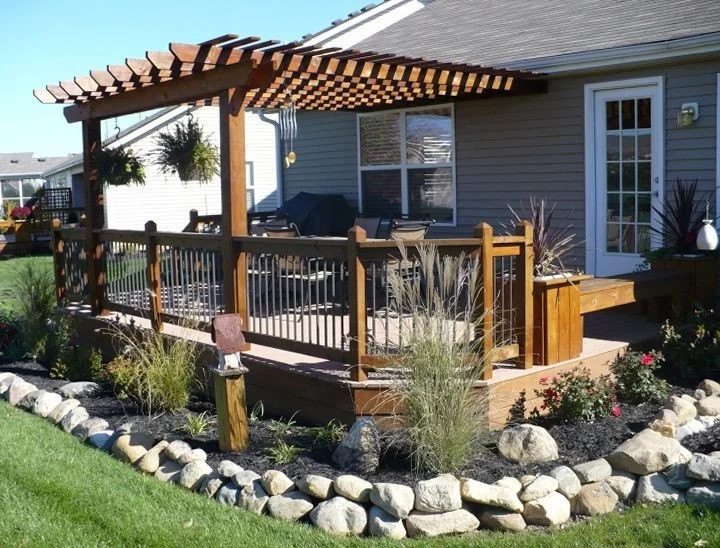
- patio-privacy-design - Creating natural barriers for seclusion and comfort
- shade-strategies - How to add natural and structural shade around patios
- plant-selection - Choosing the right greenery for privacy and cooling effects
- layout-optimization - Designing flow, space, and usability around patios
- real-project-example - A real backyard transformation case study
Why Patio Privacy and Shade Matter More Than Most Homeowners Think
A patio is often considered the heart of outdoor living, but without proper planning, it can quickly feel exposed, uncomfortable, or underused. Learning how to landscape around a patio for privacy and shade is not just about aesthetics—it directly affects how often you actually use your outdoor space.
In many suburban neighborhoods across the U.S., homes are built close together, meaning backyard visibility is high. Without thoughtful backyard privacy landscaping, even a beautiful patio can feel like a public space rather than a personal retreat.

The Emotional Value of Privacy Outdoors
Privacy outdoors creates a psychological shift. When people feel unseen, they relax more deeply, spend longer outdoors, and naturally use the space for social gatherings or quiet rest.

Chesterton Stone & Landscape Supply
ChestertonPorter CountyIndiana
1515 W Indiana Ave, Chesterton, IN 46304, USA
Shade as a Comfort Multiplier
Shade does more than block sunlight—it regulates temperature, reduces UV exposure, and makes patios usable during peak summer hours. Without shade, even well-designed patios often sit empty during the day.
Understanding the Core Principles of Patio Landscaping
Before choosing plants or structures, it’s important to understand the foundation of effective outdoor living design. Good patio landscaping balances three key goals: privacy, shade, and flow.
1. Privacy Without Feeling Closed In
A common mistake is overbuilding barriers. True privacy landscaping creates separation while still allowing airflow and natural light. The goal is to feel secluded, not boxed in.
2. Shade That Works With Nature
Instead of relying only on umbrellas or pergolas, combining natural shade (trees, tall plants) with structural elements creates a more comfortable and visually appealing environment.
3. Movement and Functionality
A patio should connect smoothly to the rest of the yard. Poor layout planning often leads to awkward spaces that are either too tight or too exposed.
Best Strategies for Landscaping Around a Patio for Privacy
There are several proven approaches to create effective patio privacy without sacrificing style. The best results often come from layering multiple techniques.
1. Living Green Walls
Tall shrubs, bamboo, or vertical gardens act as natural screens. These are especially effective for tight urban or suburban yards where space is limited.
2. Strategic Tree Placement
Placing trees at angles rather than in straight lines creates a more natural privacy barrier. Evergreen trees are especially useful for year-round coverage.
3. Decorative Fencing With Softening Plants
Wood or composite fences can establish boundaries, but pairing them with climbing vines or flower beds softens the visual impact and improves aesthetics.
4. Layered Planting for Depth
Using a mix of tall, medium, and low plants creates a visual “wall” that feels natural instead of artificial. This method is widely used in professional backyard privacy landscaping projects.
How to Add Shade Without Overpowering the Space
Shade solutions should complement the patio, not dominate it. A balanced approach ensures comfort while maintaining an open and inviting feel.
1. Pergolas and Shade Structures
A pergola provides partial shade while maintaining airflow. Adding retractable fabric or climbing plants enhances its effectiveness over time.
2. Natural Canopy Trees
Deciduous trees like maple or oak provide seasonal shade—cooling in summer while allowing sunlight in winter. This dynamic balance improves year-round usability.
3. Patio Umbrella Clusters
Instead of one large umbrella, multiple smaller umbrellas offer flexible shade control depending on sun position throughout the day.
4. Combined Shade Systems
The most effective patios often combine trees, structures, and movable shade elements to adapt to changing weather conditions.
Choosing the Right Plants for Privacy and Cooling
Plant selection plays a central role in how effective your patio environment becomes. The right greenery not only provides privacy but also helps reduce surrounding temperatures.
Bamboo for Fast Growth
Bamboo is popular because it grows quickly and forms dense screens. However, it requires proper containment to prevent spreading.
Evergreen Shrubs for Year-Round Coverage
Plants like arborvitae or holly maintain structure even in winter, making them reliable for consistent backyard privacy landscaping.
Flowering Plants for Soft Visual Barriers
Hydrangeas, lavender, and ornamental grasses add softness while still contributing to separation between spaces.
Real Backyard Transformation: A Suburban Case Study
A homeowner in Texas struggled with a fully exposed patio that faced two neighboring properties. The space was rarely used due to lack of comfort and constant visibility.
A redesign introduced layered privacy planting using evergreen hedges, a pergola with climbing jasmine, and strategic tree placement along the fence line. Within one summer season, the patio became the family’s primary outdoor gathering space.
The transformation highlighted how thoughtful landscape around patio for privacy solutions can completely change how a home is experienced.
Design Flow: Making the Patio Feel Like an Extension of the Home
A successful patio design should feel like a natural continuation of indoor living. This requires careful attention to transitions between the house, patio, and garden areas.
Seamless Flooring Transitions
Using similar tones or materials between indoor and outdoor flooring helps visually connect the spaces.
Furniture Placement Strategy
Outdoor furniture should define zones—such as dining, lounging, and reading—without overcrowding the space.
Lighting for Evening Comfort
Soft lighting enhances privacy at night while creating a warm, inviting atmosphere for gatherings.
Common Mistakes to Avoid in Patio Landscaping
Even well-intentioned designs can fail if certain mistakes are made during planning.
Overcrowding the Space
Too many plants or structures can make a patio feel smaller than it is.
Ignoring Sun Patterns
Failing to observe how sunlight moves across the yard leads to ineffective shade placement.
Choosing Style Over Function
A visually appealing design that lacks comfort or usability will not be used consistently.
When Professional Guidance Makes a Difference
While many homeowners enjoy DIY landscaping, complex layouts often benefit from expert planning. Platforms like Beautiful Landscapes help connect homeowners with design inspiration, plant recommendations, and outdoor living solutions tailored to specific yard conditions.
Final Design Thinking
The best patios are not just decorated—they are engineered for comfort, privacy, and long-term usability. By combining shade, structure, and planting strategies, any outdoor space can be transformed into a private retreat.


 Do Good Gardens5.0 (2 reviews)
 ACL Lawn Care Group Llc4.0 (13 reviews)
 AI Lumins Indoor/Outdoor Lighting5.0 (11 reviews)
 Lindmack Landscaping & Snow Removal LLC4.0 (14 reviews)
 Natural Groove Landscapes5.0 (7 reviews)
 Green Acres Lawn Care & Landscaping4.0 (495 reviews)
 How to Build a Sustainable Backyard Using Native Materials: A Step-by-Step Guide
 Why Use Organic Fertilizers? Pros, Cons & Tips for Healthier Plants
 How to Revive a Neglected Lawn Step by Step
 How to Grow Herbs and Vegetables in Limited Space | Beautiful Landscapes
 How to Attract Birds & Butterflies to Your Landscape
 How to Landscape a Small Urban Backyard: Tips and Ideas