
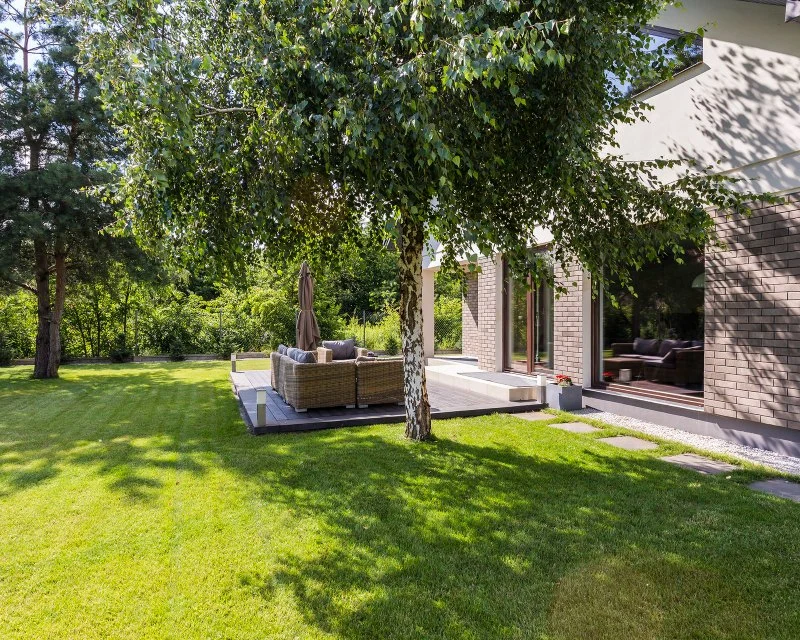
- 1-science-of-shade-trees-and-energy-savings - how trees reduce heat and cooling demand
- 2-best-tree-types-for-home-cooling-efficiency - selecting effective shade trees
- 3-strategic-tree-planting-for-max-shade-impact - placement and orientation guide
- 4-real-case-suburban-home-energy-savings - practical example of reduced bills
- 5-common-mistakes-in-shade-tree-planning - what reduces effectiveness
- 6-seasonal-benefits-of-shade-landscaping - year-round environmental impact
- 7-modern-landscaping-approach-with-Beautiful-Landscapes - professional design insights
1. Understanding How Shade Trees Reduce Cooling Costs
The natural cooling effect of trees
When exploring how to use shade trees to lower cooling costs, the first thing to understand is how trees naturally regulate temperature. Trees provide shade that blocks direct sunlight from hitting roofs, walls, and windows. This reduces heat absorption and keeps indoor temperatures significantly lower during hot summer months in the United States.
In addition to shade, trees also release moisture through a process called transpiration. This natural evaporation cools the surrounding air, creating a microclimate that can feel several degrees cooler than nearby unshaded areas.
Deppe Landscape & Design/Riverside Metals, L.L.C.
29297 300 S 4th St, Bellevue, IA 52031, USA
Why roof and wall exposure matters most
Most residential cooling costs come from heat entering through roofs and south- or west-facing walls. Strategic shading of these areas can reduce air conditioning usage dramatically, especially during peak afternoon hours.

2. Choosing the Right Shade Trees for Maximum Cooling Effect
Deciduous trees for seasonal efficiency
Deciduous trees are one of the most effective choices when learning how to use shade trees to lower cooling costs. In summer, they provide dense shade, while in winter, they shed leaves to allow sunlight to warm the home naturally.
Fast-growing vs long-term shade trees
Fast-growing species like maple or poplar provide quicker results, while oak and elm offer long-term, stable shade. A balanced mix of both types often creates the most efficient cooling strategy for residential landscapes.
Native species for sustainable landscaping
Using native trees ensures better adaptation to local climates, reducing maintenance while maximizing shade efficiency. Native species also support local ecosystems, improving biodiversity in suburban environments.
3. Strategic Placement for Maximum Cooling Performance
Targeting the west and south sides of the home
The most effective strategy in how to use shade trees to lower cooling costs is planting trees on the west and south sides of a house. These areas receive the strongest afternoon sun, which contributes most to heat buildup indoors.
Distance matters more than most homeowners realize
Trees should not be planted directly against the house. A safe distance allows roots to grow without damaging foundations while still providing effective shade coverage.
Creating layered shade zones
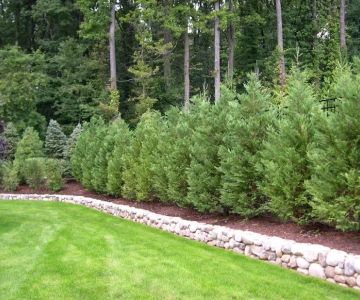
Combining large canopy trees with smaller ornamental trees and shrubs creates layered cooling effects. This multi-level approach reduces ground heat reflection and improves overall yard comfort.
4. A Real Suburban Case of Lower Energy Bills Through Landscaping
A Texas homeowner’s summer challenge
A homeowner in Austin, Texas, faced extremely high summer electricity bills due to constant air conditioning use. Their backyard and west-facing windows received direct sunlight for most of the afternoon.
How shade trees transformed the property
After consulting a landscaping specialist, the homeowner planted a combination of oak and maple trees along the west side of the property. Within two summers, indoor temperatures dropped noticeably during peak heat hours.
Measurable impact on cooling costs
While exact savings vary, the homeowner reported a significant reduction in air conditioning runtime during the hottest months. This real example highlights the practical value of understanding how to use shade trees to lower cooling costs effectively.
5. Common Mistakes That Reduce Cooling Efficiency
Planting too close or too far
Improper placement is one of the most common mistakes. Trees planted too close to the house may cause structural issues, while those planted too far provide minimal shading benefits.
Ignoring sun path direction
Many homeowners fail to consider seasonal sun movement. Without proper alignment, shade coverage may be ineffective during peak heat hours.
Choosing ornamental trees over functional shade trees
While decorative trees enhance visual appeal, they often lack the canopy density needed for meaningful temperature reduction.
6. Year-Round Benefits of Shade Tree Landscaping
Summer cooling advantages
During hot months, shade trees significantly reduce solar heat gain, lowering indoor temperatures and reducing reliance on air conditioning systems.
Winter sunlight optimization
Deciduous trees allow sunlight to reach the home in winter, naturally warming interiors and reducing heating costs.
Long-term environmental improvements
Beyond energy savings, shade trees improve air quality, reduce urban heat island effects, and enhance overall neighborhood livability.
7. Designing an Energy-Efficient Yard With Professional Insight
Combining aesthetics and functionality
Modern landscaping is no longer just about appearance. Homeowners are increasingly designing yards that serve both visual and functional purposes, especially for energy efficiency.
Why professional planning makes a difference
Understanding soil conditions, sun exposure, and tree growth patterns requires expertise. Professional guidance ensures that shade trees reach their full cooling potential without causing future maintenance issues.
Where homeowners can find better landscaping solutions
For those looking to explore structured landscaping strategies, Beautiful Landscapes provides inspiration, design ideas, and practical resources for homeowners interested in how to use shade trees to lower cooling costs in a sustainable and visually appealing way.
Final insight for homeowners
Strategic tree planting is one of the most natural and cost-effective ways to improve home energy efficiency. With the right planning, shade trees become a long-term investment that reduces cooling costs, improves comfort, and enhances property value over time.
 This and That Giftery @ Forever Green Landscape Center4.0 (24 reviews)
 Premier Lawn Services & Landscaping3.0 (12 reviews)
 Forest Landscaping & Construction, Inc.5.0 (1 reviews)
 Excel Lawns & Landscape4.0 (91 reviews)
 Blue Grass Landworks Inc5.0 (2 reviews)
 Hoenig Tree Service4.0 (21 reviews)
 How to Landscape With Ornamental Grasses
 How to Landscape With Large Pots and Statement Planters
 How to Plan a Backyard for Entertaining Large Groups
 How to Grow Groundcovers That Replace Traditional Lawns
 How to Use Companion Planting to Reduce Pests
 How Often Should You Fertilize Your Lawn for a Lush, Green Yard?