
- -1-Why Use Ornamental Grasses in Landscaping
- -2-Choosing the Right Ornamental Grasses
- -3-Design Principles for Grass-Focused Landscapes
- -4-Planting and Spacing Techniques
- -5-Low-Maintenance Tips for Ornamental Grass Gardens
- -6-Inspiration and Resources for Grass Landscaping
1. Why Use Ornamental Grasses in Landscaping
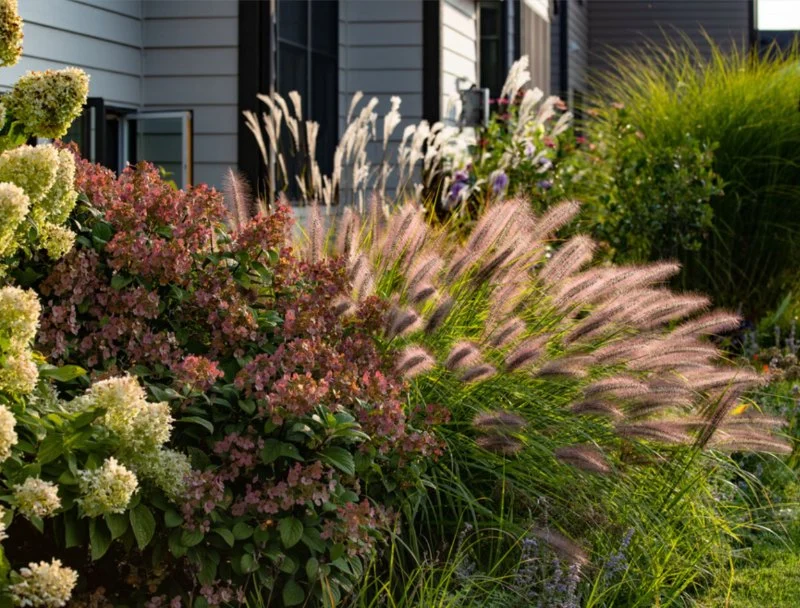
Ornamental grasses are increasingly popular in modern landscaping due to their versatility, texture, and year-round visual interest. Unlike traditional annual flowers or dense shrubs, grasses add movement and dimension to outdoor spaces. Their ability to sway gently in the wind creates a dynamic, calming effect that enhances the garden experience.
Beyond aesthetics, ornamental grasses are low-maintenance, drought-tolerant, and can thrive in a variety of soil types. Homeowners and landscape designers alike appreciate their resilience and sustainability. Real-life examples from residential gardens show that replacing high-maintenance flower beds with ornamental grasses can significantly reduce watering, fertilizing, and labor requirements while maintaining visual appeal.
2. Choosing the Right Ornamental Grasses
Selecting the appropriate grasses is crucial to a successful landscape design. Consider the following factors:
- Climate suitability – Choose grasses adapted to local weather and soil conditions.
- Growth height – Mix short, medium, and tall species to create layers and depth.
- Texture and color – Combine fine, soft textures with bold, structural forms for contrast.
- Seasonal interest – Select grasses with varying bloom times, seed heads, or foliage color to provide year-round appeal.
- Maintenance level – Some species require cutting back annually, while others are nearly maintenance-free.
Popular options include feather reed grass (Calamagrostis x acutiflora), fountain grass (Pennisetum alopecuroides), and switchgrass (Panicum virgatum). Each species offers unique characteristics, making it easier to craft diverse, visually compelling landscapes. Homeowners often share that mixing contrasting species creates a layered effect that is both natural and elegant.
3. Design Principles for Grass-Focused Landscapes
3.1 Layering and Grouping
Ornamental grasses work best when arranged in layers and clusters. Taller grasses should be positioned at the back of borders or as focal points, with shorter varieties in front to create a natural gradient. Grouping the same species in odd-numbered clusters enhances visual rhythm and balance.
3.2 Movement and Flow
Consider how grasses will move with the wind. Planting in curved lines or swathes can guide the eye and create a sense of flow throughout the landscape. Real-life garden tours show that strategic placement of moving grasses adds energy and life to otherwise static spaces.
3.3 Contrasting Textures
Combine fine-textured grasses with broader-leafed plants or low shrubs to create contrast and visual intrigue. This interplay between textures enhances depth and makes the garden feel more dynamic. Many designers recommend pairing ornamental grasses with perennials like echinacea or sedum for a balanced effect.
4. Planting and Spacing Techniques
Proper planting and spacing are essential for healthy growth and long-term aesthetics:
- Allow sufficient spacing to accommodate mature growth and prevent overcrowding.
- Plant in well-draining soil to reduce the risk of root rot.
- Prepare the site by removing weeds and amending the soil with compost for initial establishment.
- Group grasses according to height and bloom season to maintain a layered, continuous display.
- Use mulch around the base to retain moisture, suppress weeds, and enhance soil health.
Homeowners who follow these techniques report that their grass beds establish more quickly, require less intervention, and maintain consistent beauty throughout the seasons.
5. Low-Maintenance Tips for Ornamental Grass Gardens
One of the main advantages of ornamental grasses is their minimal upkeep. To optimize low-maintenance care:
- Cut back grasses once or twice a year, preferably in early spring before new growth emerges.
- Water only during dry periods after establishment, as most grasses are drought-tolerant.
- Fertilize sparingly, using slow-release or organic options to encourage natural growth.
- Divide clumps every few years to maintain vigor and prevent overcrowding.
- Monitor for pests and diseases, though ornamental grasses generally have few issues.
Gardeners who adopt these practices enjoy vibrant, resilient landscapes with minimal time investment, allowing more enjoyment of the outdoor space rather than labor-intensive upkeep.
6. Inspiration and Resources for Grass Landscaping
To get ideas and guidance for grass-focused landscapes, consider the following:
- Visit botanical gardens or public parks that showcase ornamental grass displays.
- Reference landscape design books or online guides specific to ornamental grasses.
- Use tools and inspiration from platforms like Beautiful Landscapes to plan layouts, select species, and visualize combinations.
- Join gardening communities and forums for real-world tips, success stories, and seasonal advice.
- Attend local workshops or classes to gain hands-on experience with planting and maintenance techniques.
Combining inspiration with practical resources ensures a landscape that is both aesthetically pleasing and sustainable. By thoughtfully designing with ornamental grasses, homeowners can achieve dynamic, low-maintenance gardens that align with modern trends and environmental considerations.
Overall, landscaping with ornamental grasses is a versatile, eco-friendly, and visually captivating approach. With careful plant selection, strategic design, and low-maintenance practices, any yard can be transformed into a vibrant, flowing, and sustainable outdoor space that delights throughout the seasons.

 Wellspring Land Design5.0 (32 reviews)
 TL Design5.0 (19 reviews)
 A Final Touch Landscaping & Lawn Care4.0 (10 reviews)
 H&H Services Incorporated4.0 (7 reviews)
 Koch Kuts LLC5.0 (1 reviews)
 Warren Lawn & Landscape, Inc.4.0 (13 reviews)
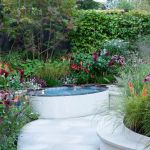 How to Design a Sensory Garden: Enhancing Smell, Touch, and Sound
 How to Prune Without Damaging Your Plants
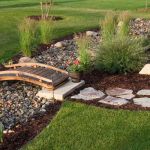 How to Manage Slopes & Drainage in Your Yard - Beautiful Landscapes
 How to Landscape Around a Pool With Height & Depth
 Lazy Lawn Care: How to Maintain Grass with Minimal Effort
 How to Choose Berry Bushes for a Functional Landscape