
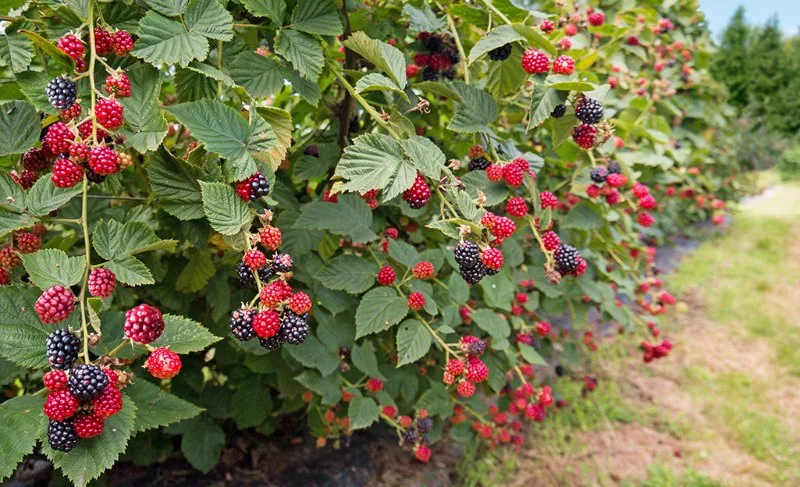
Why Choose Berry Bushes for Your Landscape
Berry bushes are an excellent addition to any landscape, combining beauty, functionality, and sustainability. Whether you're looking to enhance your garden with colorful, aromatic plants or hoping to enjoy fresh berries right from your yard, berry bushes can provide numerous benefits. They offer more than just visual appeal—they also support biodiversity, improve the environment, and even provide a food source for both you and local wildlife.
In this article, we will discuss why berry bushes are a great choice for landscaping, how to select the right varieties, and the best practices for planting and maintaining them. By the end, you'll have all the information you need to create a thriving, berry-filled garden that’s both beautiful and practical.

Benefits of Berry Bushes in Landscaping
Berry bushes offer a range of benefits that can improve the aesthetic, ecological, and functional aspects of your landscape:

1. Edible Landscape
One of the primary reasons people choose berry bushes is for the fresh, delicious fruit they produce. Berry bushes, such as blueberries, raspberries, and blackberries, allow you to create an edible landscape where you can harvest fresh fruit throughout the growing season. This makes them ideal for anyone who wants to combine beauty with food production.
2. Attract Wildlife
Berry bushes are excellent for attracting wildlife, particularly birds and pollinators. Birds are naturally drawn to the berries, making your garden more vibrant and lively. Pollinators, such as bees, will also appreciate the flowers that precede the berries, supporting your local ecosystem and ensuring the success of other plants in your garden.
3. Low Maintenance
Once established, berry bushes tend to require minimal maintenance. They thrive in a variety of conditions and can be relatively pest-resistant, especially when compared to other types of fruit-bearing plants. Many varieties of berry bushes are hardy and drought-tolerant, making them ideal for sustainable landscaping.
4. Year-Round Interest
Berry bushes offer year-round interest, with attractive flowers in the spring, lush foliage in the summer, and vibrant berries in the fall. Even in winter, many berry bushes provide structure and beauty with their bare branches, offering a unique look in the colder months.
How to Select the Right Berry Bush for Your Landscape
Selecting the right berry bush is essential for ensuring success in your landscape. Consider the following factors when choosing berry bushes for your garden:
1. Climate and Hardiness Zone
The climate and hardiness zone of your region are important considerations when selecting berry bushes. Some varieties are more suited to cooler climates, while others thrive in warmer regions. Be sure to choose berry bushes that are compatible with your area's temperature range to ensure healthy growth and fruit production.
2. Space Availability
Berry bushes can vary in size, so it’s important to consider the available space in your landscape. Some varieties, such as blackberries and raspberries, can spread quite aggressively, while others, like blueberries, tend to remain more compact. Ensure that you select a variety that fits well within the space you have available.
3. Soil Requirements
Different berry bushes have varying soil preferences. For example, blueberries require acidic soil, while other berries, such as raspberries, prefer slightly alkaline or neutral soil. Be sure to test your soil and choose varieties that are suited to your garden’s soil conditions. If necessary, you can amend the soil to meet the needs of specific types of berry bushes.
4. Fruit Yield
Consider how much fruit you want to harvest. Some varieties of berry bushes, such as everbearing raspberries, produce fruit throughout the growing season, while others may have a single harvest. If you want a steady supply of berries, choose varieties that produce fruit consistently over several months.
Different Types of Berry Bushes
There are various types of berry bushes you can include in your landscape, each with its unique characteristics:
1. Blueberries
Blueberries are a popular choice for their sweet fruit and attractive appearance. They prefer acidic soil and require full sun to produce the best yields. There are several varieties of blueberries, including highbush, lowbush, and half-high types, making them adaptable to different growing conditions.
2. Raspberries
Raspberries are another excellent choice for the home garden. They come in red, black, and golden varieties and are relatively easy to grow. They prefer well-drained soil and can be trained to grow on trellises to save space in smaller gardens. Raspberries produce fruit on both first-year canes and second-year canes, depending on the variety.
3. Blackberries
Blackberries are hardy and adaptable, thriving in a wide range of climates. They require a bit more space, as they tend to spread, but their abundant harvests make them worthwhile. Like raspberries, they can be grown on trellises to help control their growth and improve yields.
4. Currants and Gooseberries
Currants and gooseberries are lesser-known berry bushes that are well-suited to cooler climates. They thrive in partial shade and produce small, tart berries that are great for jams, jellies, and baking. These bushes are hardy and easy to care for, making them perfect for low-maintenance gardens.
Planting and Care Tips for Berry Bushes
Once you've selected the right berry bushes for your landscape, it's important to plant and care for them properly. Here are some tips for ensuring healthy growth and abundant fruit:
1. Planting Location
Choose a location that receives full sun for most of the day. While some berry bushes can tolerate partial shade, full sun ensures the best fruit production. Make sure the soil is well-drained to prevent waterlogging, which can lead to root rot.
2. Watering
Berry bushes need regular watering, especially during the growing season. However, be careful not to overwater, as this can damage the roots. A drip irrigation system or soaker hoses can help keep the soil evenly moist without over-saturating it.
3. Pruning
Pruning is essential for maintaining the health and productivity of your berry bushes. Remove any dead or damaged canes to promote new growth. For raspberries and blackberries, prune the spent canes after fruiting to encourage fresh growth for the next season.
Real-Life Examples of Berry Bushes in Landscapes
Here are a few examples of how homeowners have successfully integrated berry bushes into their landscapes:
Case Study 1: A Berry Garden in the Backyard
A family in California transformed a portion of their backyard into a vibrant berry garden. They planted blueberries, raspberries, and strawberries, carefully choosing varieties that suited their climate. With regular care, they enjoyed a bountiful harvest each year, providing fresh fruit for their family while enhancing the beauty of their garden.
Case Study 2: Urban Garden with Berry Bushes
An urban gardener in New York City planted blackberries and currants along their balcony, creating a lush and productive garden space. By using containers and vertical gardening techniques, they maximized their small space while still enjoying fresh, homegrown fruit.
Recommendations from Beautiful Landscapes
If you’re looking for the best berry bushes for your garden, visit Beautiful Landscapes. We offer a variety of high-quality berry bushes, including blueberries, raspberries, blackberries, and more. Our expert advice can help you choose the right plants for your garden’s needs and ensure that your berry bushes thrive for years to come.



 Bloomington Landscape Construction, LLC5.0 (10 reviews)
 INEX service's LLC5.0 (1 reviews)
 Naturescape Lawn and Landscape Care4.0 (51 reviews)
 Lake Michigan Landscapes4.0 (22 reviews)
 TruGreen Lawn Care4.0 (812 reviews)
 Pro Garden Landscaping LLC5.0 (10 reviews)
 How to Landscape for Seasonal Wildlife Attraction in Your Garden
 How to Create a Butterfly Pathway Through Your Garden: A Step-by-Step Guide
 How to Reduce Your Landscape’s Water Usage by 30%
 How to Landscape Using Modular or Prefabricated Elements
 How to Design a Courtyard With Water-Wise Plants
 Planting Trees Near Your Home: What You Need to Know