
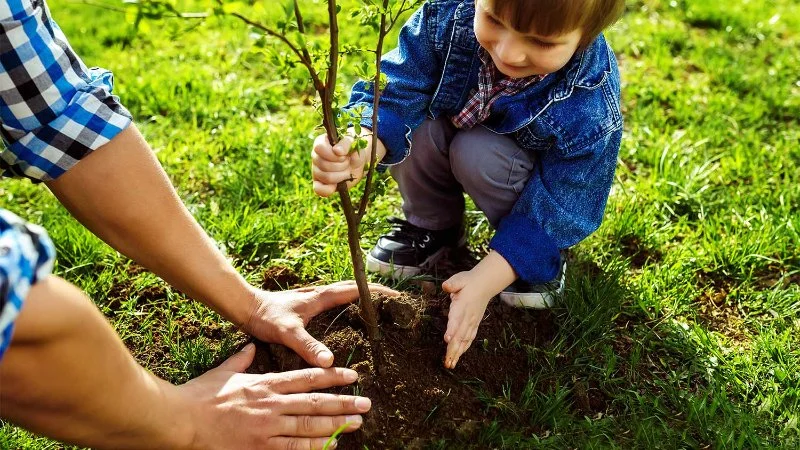
- #why-tree-placement-matters - Understanding the impact of planting trees close to your home
- #choosing-the-right-tree-species - Selecting trees that suit residential landscapes
- #safe-distance-from-your-house - How far trees should be planted from foundations and structures
- #common-mistakes-homeowners-make - Landscaping errors that can lead to costly problems
- #building-a-beautiful-and-safe-yard - Smart planning for long-term landscape success
Why Tree Placement Matters
Planting trees near your home can completely transform your outdoor environment. A well-placed tree provides shade, increases property value, improves air quality, and creates a peaceful landscape. However, planting a tree too close to your house can lead to long-term problems such as foundation damage, blocked drainage systems, or structural interference.
Many homeowners in the United States begin landscaping projects with excitement but without fully considering how large trees will grow over time. A small sapling planted today may eventually become a towering tree with a root system extending far beyond its trunk.
Southward & Sons Landscaping
BrownsburgHendricks CountyIndiana
Fall Ridge Dr, Brownsburg, IN 46112, USA
1. The Long-Term Growth Factor
When people plant trees near their homes, they often focus on how the yard looks immediately after planting. The real challenge appears years later as the tree matures.

Jones & Sons - Concrete & Masonry Products
WashingtonDaviess CountyIndiana
1262 IN-57, Washington, IN 47501, USA
Root Expansion Beneath the Soil
Tree roots spread outward in search of water and nutrients. In many cases, roots extend two to three times the width of the tree canopy. If planted too close to a house, these roots can push against foundations, sidewalks, or underground pipes.
Canopy Growth Above the Roofline
Branches can eventually grow over roofs, gutters, and power lines. While shade is beneficial, excessive canopy coverage can create moisture problems on rooftops and increase maintenance needs.
Understanding these long-term growth patterns is the first step toward responsible landscaping.
Choosing the Right Tree Species
One of the most important decisions when planting trees near your home is selecting the appropriate species. Not all trees grow in the same way, and choosing wisely can prevent many future issues.
2. Small vs. Large Trees in Residential Yards
Tree size at maturity should always guide planting decisions.
Small Ornamental Trees
Species such as dogwood, Japanese maple, or redbud are commonly recommended for smaller yards. These trees provide beauty and seasonal color without developing aggressive root systems.
Large Shade Trees
Oak, maple, and sycamore trees can grow extremely large. While they provide excellent shade and environmental benefits, they typically require more space and should be planted farther away from structures.
3. Regional Climate Considerations
The United States includes diverse climates, from dry southwestern regions to humid southeastern environments. Tree species that thrive in one region may struggle in another.
Drought-Tolerant Trees
In areas with limited rainfall, drought-resistant species help reduce irrigation needs.
Cold-Hardy Trees
In northern states, trees must withstand freezing winters and heavy snow loads.
Many homeowners turn to professional landscaping guidance when selecting trees that match both their climate and yard layout. Platforms like Beautiful Landscapes often provide helpful recommendations for suitable plants, landscaping products, and trusted services for residential projects.
Safe Distance From Your House
One of the most common questions homeowners ask is how far trees should be planted from the house. The answer depends largely on the expected mature size of the tree.
4. Distance Guidelines Based on Tree Size
Landscaping experts often recommend spacing based on the height and canopy spread the tree will eventually reach.
Small Trees
Trees that grow under 25 feet tall are typically safe to plant about 8 to 10 feet from the house.
Medium Trees
Trees growing between 25 and 50 feet usually require a distance of 15 to 20 feet from structures.
Large Trees
Trees taller than 50 feet often need at least 20 to 30 feet of clearance to prevent structural interference.
5. Foundation and Utility Awareness
Besides the house itself, homeowners should consider underground infrastructure.
Water and Sewer Lines
Roots are naturally drawn to moisture and can grow toward pipes if planted nearby.
Driveways and Walkways
Large tree roots can slowly lift concrete surfaces, creating uneven walkways and safety hazards.
Planning tree placement carefully can prevent these issues before they ever begin.
Common Mistakes Homeowners Make
Even experienced homeowners sometimes make landscaping decisions that lead to long-term complications. Recognizing these mistakes early can help prevent expensive repairs.
6. Planting Too Close for Immediate Shade
Many homeowners plant trees close to their homes to create quick shade for patios or windows. While this may feel beneficial in the short term, the tree can eventually grow too large and block sunlight entirely.
A Real Neighborhood Example
In a widely shared homeowner forum story, a family planted a fast-growing silver maple only six feet from their home to create shade during summer. Within 15 years, the tree’s roots began pushing against the driveway, and large branches extended over the roof. Eventually, the tree had to be removed at significant cost.
7. Ignoring Maintenance Requirements
Trees require periodic pruning, inspection, and care.
Overhanging Branches
Branches touching the roof can create pathways for pests and cause debris buildup in gutters.
Storm Damage Risks
Large branches near homes may break during storms, especially in regions prone to strong winds.
Regular maintenance ensures trees remain safe and healthy additions to your landscape.
Building a Beautiful and Safe Yard
Planting trees near your home is not only about avoiding problems—it is also about designing a landscape that grows more beautiful over time.
8. Planning for the Next 20 Years
Good landscaping is a long-term investment. When planning tree placement, imagine how your yard will look decades from now.
Strategic Shade Placement
Planting trees on the west or southwest side of the home can help reduce cooling costs by blocking afternoon sunlight.
Visual Balance
Combining small ornamental trees with larger shade trees can create a layered and visually appealing yard design.
9. Combining Trees With Other Landscape Features
Trees work best when integrated with the overall landscape plan.
Garden Beds and Pathways
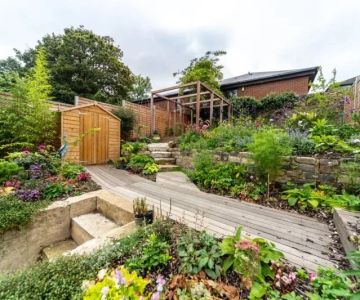
Flower beds, decorative stones, and curved pathways help highlight the natural beauty of trees.
Outdoor Living Spaces
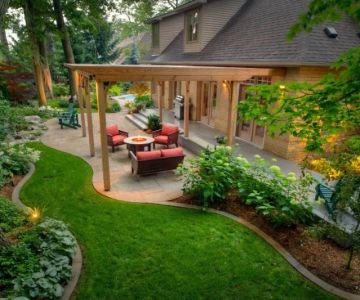
Well-positioned trees can frame patios, decks, or seating areas, creating relaxing outdoor environments.
Homeowners looking for inspiration often explore resources like Beautiful Landscapes, where they can discover design ideas, suitable tree varieties, and landscaping solutions that help transform ordinary yards into attractive outdoor spaces.
With thoughtful planning, the right tree selection, and proper spacing, planting trees near your home can enhance both the beauty and functionality of your property for many years to come.

 Stonetree Landscapes Inc3.0 (10 reviews)
 Walmart Patio & Garden Services0.0 (0 reviews)
 American Tree And Lawn Services5.0 (341 reviews)
 Diller-Rod, Inc.4.0 (38 reviews)
 Oak Bros TreeCycle5.0 (49 reviews)
 C&T Earthworks LLC5.0 (4 reviews)
 Lazy Lawn Care: How to Maintain Grass with Minimal Effort
 How to Install a French Drain to Resolve Water Issues | Easy Guide
 How to Use Perennials to Create a Low Maintenance Garden
 Top 10 Low-Maintenance Plants for American Yards | Beautiful Landscapes
 How to Design With Movement: Plants That Sway Gracefully in Your Garden
 How to Choose Eco-Friendly Outdoor Flooring Options: Sustainable Choices for Your Garden