
1. Why Incorporate Edible Plants Into Ornamental Gardens?
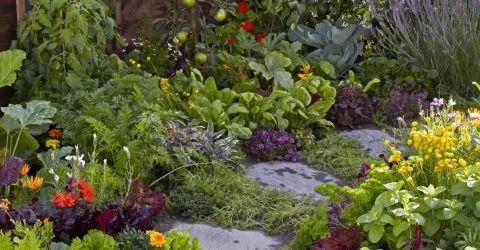
Gardening is an art, and blending beauty with function is one of the best ways to make the most of your outdoor space. While ornamental gardens typically feature flowers and shrubs for aesthetic purposes, adding edible plants introduces a practical element to your garden design. Not only do these plants look beautiful, but they also provide fresh, homegrown food right at your doorstep. Whether you're a seasoned gardener or just getting started, incorporating edible plants into your ornamental garden can create a sustainable and aesthetically pleasing landscape.

2. Benefits of Combining Edible and Ornamental Plants
Incorporating edible plants into ornamental gardens offers a range of benefits, both practical and aesthetic. Below are some of the key advantages:

2.1 Sustainability and Self-Sufficiency
By growing your own food, you reduce your dependency on store-bought produce and can enjoy fresh ingredients at your fingertips. Edible plants like herbs, vegetables, and fruits contribute to a sustainable lifestyle by lowering food miles and encouraging more eco-friendly practices in your garden.
2.2 Enhanced Garden Aesthetics
Edible plants such as colorful chard, flowering herbs, or vibrant tomatoes not only serve a functional purpose but also add beauty to your garden. Many edible plants have attractive foliage, flowers, or fruit that can blend seamlessly with ornamental plants. This mix of utility and beauty creates a visually dynamic garden.
2.3 Attracting Pollinators
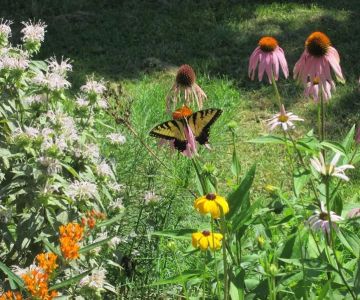
Edible flowers like squash, zucchini, and herbs such as basil and thyme attract pollinators such as bees and butterflies. By choosing the right edible plants, you can create a haven for pollinators, which will benefit your ornamental plants as well, ensuring a healthy and thriving garden.
3. Best Edible Plants for Ornamental Gardens
When selecting edible plants to incorporate into your ornamental garden, it's essential to choose varieties that are visually appealing, easy to grow, and provide a harvest that suits your needs. Here are some of the best edible plants that can blend effortlessly into ornamental gardens:
3.1 Herbs
Herbs are a perfect choice for both ornamental and edible gardens. Many herbs have aromatic foliage and flowers that add fragrance and beauty. Here are a few popular options:
- Basil: With its lush green leaves and small white flowers, basil is a versatile herb that can be used in various dishes.
- Thyme: A groundcover herb with tiny flowers, thyme can add texture and aroma to any garden.
- Mint: Mint’s vibrant green leaves and occasional purple blooms make it an attractive addition to any garden.
3.2 Edible Flowers
Edible flowers not only brighten up your garden but also provide beautiful ingredients for your meals. Many flowers can be eaten raw in salads or used as garnishes. Here are a few to consider:
- Pansies: These flowers come in a variety of colors and are perfect for adding color to both ornamental and edible gardens.
- Nasturtiums: Known for their vibrant colors and peppery taste, nasturtiums are edible flowers that thrive in sunny spots.
- Marigolds: With their bold orange and yellow blooms, marigolds are both decorative and edible.
3.3 Vegetables and Fruits
Many vegetables and fruits can be grown as ornamental plants, especially those with attractive foliage or fruit. These plants can be placed among ornamental flowers or shrubs for a functional, yet beautiful garden:
- Tomatoes: Dwarf varieties of tomatoes can be grown in containers or hanging baskets, adding both greenery and produce to your garden.
- Chard: With its colorful stalks and broad leaves, Swiss chard makes a vibrant addition to any garden.
- Strawberries: Strawberry plants with their white blossoms and red fruit can easily complement your ornamental garden.
4. Design Tips for Blending Edible and Ornamental Plants
Integrating edible plants into an ornamental garden requires careful planning to ensure that both beauty and function are maximized. Below are some design tips to help you seamlessly blend edible plants with ornamental ones:
4.1 Create Layered Plantings
One effective way to integrate edible plants is by creating layered plantings. Use tall ornamental grasses or shrubs in the back, and position shorter edible plants like herbs or salad greens in the front. This layering technique provides depth and visual interest, allowing both ornamental and edible plants to shine.
4.2 Choose Complementary Colors
When selecting edible plants, pay attention to the colors of the foliage, flowers, and fruit. For example, red-leafed lettuce can pair beautifully with purple coneflowers, while the yellow of zucchini blossoms contrasts well with the green of kale. Mixing complementary colors enhances both the aesthetic appeal and the functionality of your garden.
4.3 Incorporate Raised Beds or Containers
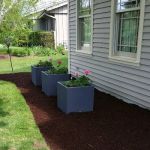
If you're limited on space or want to add more structure to your garden, consider using raised beds or containers for your edible plants. Raised beds offer better drainage and allow for easier access to your plants. Containers, on the other hand, can be used to grow smaller edible plants like herbs or strawberries and placed around your ornamental plants for a pop of color and texture.
5. Maintaining a Functional Yet Beautiful Garden
Maintaining a garden that incorporates both edible and ornamental plants requires some special care. Here are a few tips to help keep your garden thriving:
5.1 Regular Watering and Soil Care
Ensure your edible plants receive enough water and nutrients by using compost or organic fertilizers. Regularly check your soil's pH and texture to ensure it’s suitable for the plants you're growing. Well-draining soil is essential for both ornamental and edible plants to thrive.
5.2 Pest Control
Natural pest control methods, such as using companion planting or organic insecticides, can help protect your edible plants while keeping your ornamental plants safe. Avoid using harsh chemicals that can harm beneficial insects and pollinators.
5.3 Pruning and Harvesting
Prune your edible plants regularly to encourage healthy growth and prevent them from overtaking ornamental plants. Harvesting regularly not only provides fresh produce but also encourages continuous growth. Make sure to leave enough foliage to maintain the visual appeal of your garden.
6. Conclusion: A Beautiful and Functional Garden
By incorporating edible plants into your ornamental garden, you can create a beautiful, functional, and sustainable outdoor space. Whether you’re looking to grow fresh herbs, vibrant fruits, or colorful edible flowers, there are many ways to blend beauty with functionality in your garden design. With careful planning, attention to detail, and a bit of creativity, you can enjoy a garden that’s both visually stunning and full of fresh, homegrown food.
For more gardening tips and to find the best tools and supplies, visit Beautiful Landscapes for everything you need to bring your garden vision to life!


 M.A.B. Landscape Group, Inc.4.0 (9 reviews)
 NOVA Landscape Maintenece3.0 (3 reviews)
 Extreme Green Lawn & Landscape5.0 (3 reviews)
 RR Land Construction5.0 (3 reviews)
 Green T's Main Street Services Landscape Supply4.0 (59 reviews)
 Beary Landscaping3.0 (9 reviews)
 How to Use Curves vs. Straight Lines in Garden Design
 How to Design Outdoor Seating Areas That Encourage Conversation
 Top 10 Low-Maintenance Plants for American Yards | Beautiful Landscapes
 7 Steps to Create a Pollinator Garden That Attracts Bees & Butterflies
 How to Create a Landscape That’s Easy to Clean and Maintain
 How to Plan & Build a Backyard Fire Pit Area for Maximum Enjoyment