
- 1. Understanding the Importance of Erosion Control
- 2. Benefits of Using Groundcovers for Erosion Control
- 3. Best Groundcovers for Erosion Control
- 4. Steps to Successfully Plant Groundcovers
- 5. How to Maintain Groundcovers for Long-Term Effectiveness
1. Understanding the Importance of Erosion Control
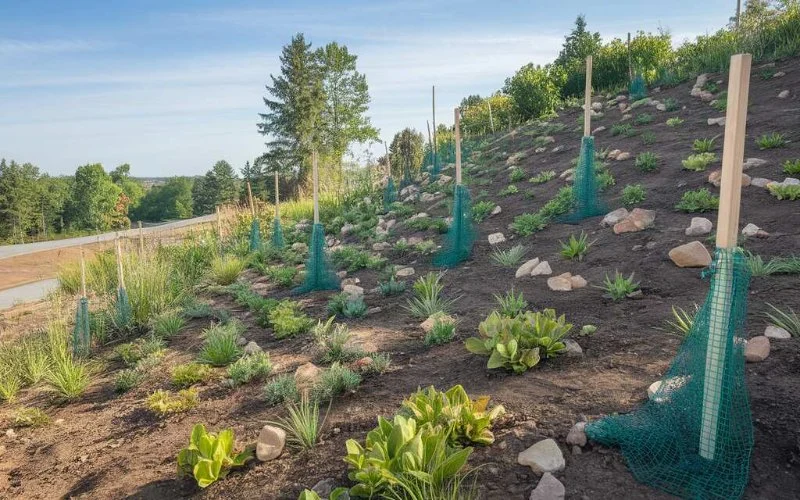
Erosion control is a vital part of landscape management, especially in areas prone to heavy rainfall or where the soil is loose and susceptible to washing away. Erosion can result in the loss of fertile soil, damage to property, and harm to local ecosystems. Groundcovers are an effective and natural solution for stabilizing soil and preventing erosion in these vulnerable areas.

2. Benefits of Using Groundcovers for Erosion Control
Groundcovers are not only aesthetically pleasing but also functional in preventing soil erosion. By covering the soil, groundcovers reduce water runoff, absorb rainfall, and protect the soil from wind and water erosion. They also improve soil structure, add organic matter, and provide habitats for beneficial insects. These low-maintenance plants work well on slopes, around water features, and in areas where erosion is a concern.

Vidal Snow System Corp. - Concrete, Excavating, Hardscape
181 Sola Dr, Gilberts, IL 60136, USA
3. Best Groundcovers for Erosion Control
When choosing groundcovers for erosion control, it's important to consider the climate, soil type, and level of foot traffic in the area. Some of the best groundcovers for erosion control include:
- Creeping Thyme: Perfect for dry, sunny areas, this hardy plant forms a dense mat that prevents soil erosion while adding fragrance to your landscape.
- Irish Moss: A lush, evergreen groundcover that thrives in cool, moist climates, ideal for controlling erosion on gentle slopes.
- Vinca Minor (Periwinkle): A fast-growing, evergreen groundcover that’s ideal for shaded areas and steep slopes.
- Ajuga (Bugleweed): Known for its ability to form a dense mat, ajuga is perfect for controlling erosion in both sunny and partially shaded areas.
- Sweet Woodruff: This perennial groundcover is perfect for shaded, moist areas, providing excellent erosion control while also preventing weeds.
4. Steps to Successfully Plant Groundcovers
Planting groundcovers for erosion control involves several key steps to ensure their long-term success:
- Site Preparation: Clear the area of weeds and debris. If the soil is compacted, consider aerating it to improve water penetration.
- Choosing the Right Plants: Select groundcovers that are suited to the local climate, soil type, and exposure to sunlight.
- Planting: Space the groundcover plants according to their mature size, and plant them at the correct depth to encourage healthy root growth.
- Watering: Keep the soil moist, especially during the first few weeks of planting, to help the groundcovers establish their roots.
5. How to Maintain Groundcovers for Long-Term Effectiveness
Once your groundcovers are planted, ongoing maintenance will help keep them healthy and effective at preventing erosion:
- Regular Watering: Ensure that your groundcovers receive sufficient water, especially during dry periods. However, avoid overwatering, which can lead to root rot.
- Weeding: Remove any invasive plants that may compete with your groundcovers for nutrients and space.
- Mulching: Apply a layer of mulch around the groundcovers to help retain moisture, prevent weed growth, and insulate the roots during extreme temperatures.
- Pruning: Trim back any dead or overgrown foliage to maintain the health and appearance of your groundcovers.
By choosing the right plants and following proper planting and maintenance techniques, groundcovers can be an excellent solution for controlling erosion and creating a stable, beautiful landscape.



 Horizon Outdoor Services, Inc.5.0 (2 reviews)
 Brescher Landscaping And Nursery4.0 (15 reviews)
 Luxury Lawn Care4.0 (61 reviews)
 Pinnacle Outdoor Services5.0 (4 reviews)
 Landscaping Lawn Maintenance Plus Inc0.0 (0 reviews)
 Hacienda Landscaping5.0 (7 reviews)
 How to Choose the Right Mulch for Effective Weed Suppression
 7 Steps to Create a Pollinator Garden That Attracts Bees & Butterflies
 How to Build and Maintain a Backyard Pond – Tips and Guide
 Xeriscaping 101: Save Water & Create a Beautiful Yard
 How to Build a Garden That Works With Local Climate
 How to Build a Stone Pathway With a Natural Flow