
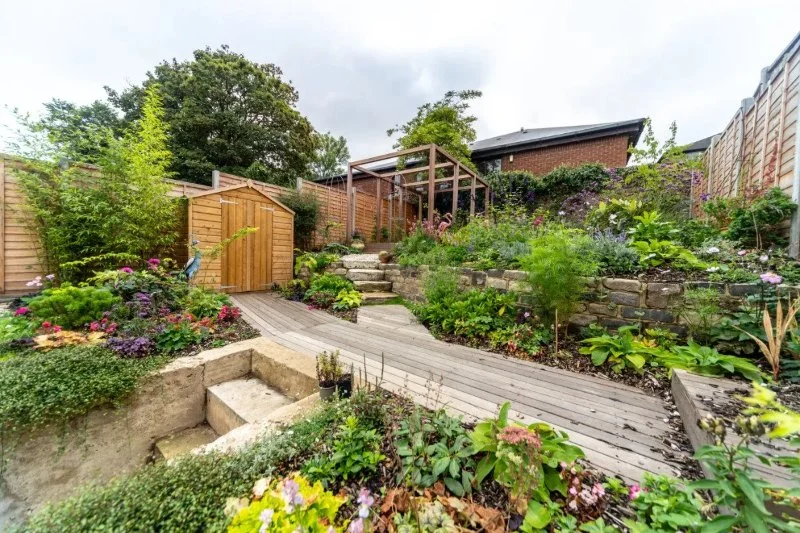
How to Create Multi-Level Garden Zones With Purpose
Designing a multi-level garden is a rewarding way to maximize space, improve aesthetic appeal, and cater to various needs within your outdoor space. By creating distinct garden zones with purpose, you can transform your backyard into a dynamic environment that reflects your personal style while offering functional benefits. Whether you're looking to add more variety or solve space limitations, this guide will walk you through the process of designing a purposeful, multi-level garden.
- 1. Understanding the Importance of Zoning
- 2. Choosing the Right Terrain and Elevation
- 3. Designing Functional Zones
- 4. Creating Visual Flow and Cohesion
- 5. Personalizing Your Garden with Purposeful Features
1. Understanding the Importance of Zoning
Garden zoning is the process of dividing your garden into different sections based on purpose and functionality. The key to creating a successful multi-level garden lies in how you plan these zones. By zoning, you can give each part of your garden a specific role that supports your overall design vision.
- Maximizing Space: Zoning allows you to use different levels and areas of your garden efficiently, especially in smaller spaces.
- Functionality: With clear zones, you can dedicate areas to relaxation, cooking, gardening, or play without overcrowding.
- Aesthetic Appeal: Zoning helps create visual interest and harmony, allowing each section to shine without clashing with others.
2. Choosing the Right Terrain and Elevation
The foundation of a multi-level garden is selecting the right terrain and elevation. Your garden's terrain will influence how you design different zones. If your garden is flat, creating elevation changes with terraces or raised beds is key. If your space is naturally sloped, consider building retaining walls or using the natural incline to create different levels.
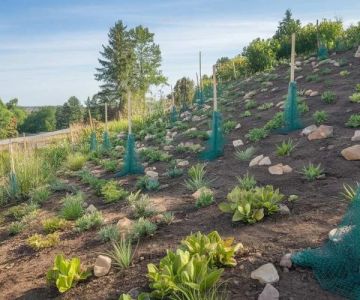
- Sloped Gardens: A sloped garden can lend itself to creating natural multi-level zones with minimal effort. Use the terrain to your advantage by carving out different levels for distinct zones like a patio, vegetable garden, and seating area.
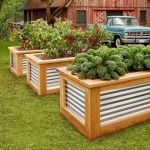
- Flat Gardens: For flat gardens, build elevation using raised beds, tiered planters, or small retaining walls to create distinct garden zones.
3. Designing Functional Zones
Each zone within a multi-level garden should serve a specific purpose, making the space more efficient and tailored to your needs. Here are some examples of functional zones you can create in your garden:
- Relaxation Zone: Design a peaceful retreat with seating areas, shade, and comfortable furnishings. A hammock or lounge chairs work well for this zone.
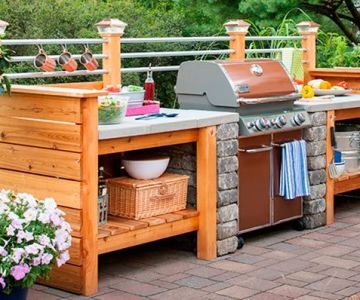
- Cooking and Dining Zone: Incorporate a BBQ station, outdoor kitchen, or dining table into your multi-level garden for outdoor meals.
- Gardening Zone: A raised bed or container garden can make gardening more accessible and organized.
- Play Zone: If you have children or pets, a dedicated play area with a safe, soft surface can be a great addition.
4. Creating Visual Flow and Cohesion
While designing multi-level zones, it's crucial to maintain a sense of visual flow throughout the space. You want each zone to feel like part of a cohesive design, rather than a disconnected patchwork of areas.
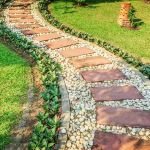
- Connecting Zones with Pathways: Use walkways, stepping stones, or gravel paths to link different areas together.
- Complementing Colors: Choose plants and materials that complement each other across the garden, helping tie everything together visually.
- Consistent Design Elements: Incorporate recurring design elements such as similar planters, lighting, or furniture pieces to create a uniform feel.
5. Personalizing Your Garden with Purposeful Features
Adding personalized touches and functional features will enhance the unique character of your multi-level garden. Consider these purposeful additions:
- Water Features: Fountains or small ponds can serve as a focal point while adding a soothing sound element to your space.
- Vertical Gardens: Utilize vertical space by incorporating climbing plants or hanging gardens to maximize your multi-level design.
- Lighting: Strategically placed outdoor lighting will highlight different zones and allow your garden to be enjoyed after dark.
By following these steps, you can transform your outdoor space into a beautiful, functional, and purposeful multi-level garden. Whether you're looking to entertain, relax, or grow your own food, this design approach offers endless possibilities. For more garden design ideas and landscaping inspiration, check out Beautiful Landscapes, where we offer a variety of products and services to help bring your vision to life.

 H&H Services Incorporated4.0 (7 reviews)
 Best Buds Landscape5.0 (3 reviews)
 Walmart Patio & Garden Services0.0 (0 reviews)
 Nicole Ann Landscapes5.0 (2 reviews)
 Creekside Turf Management, LLC5.0 (103 reviews)
 Solid Rock Landscaping LLC5.0 (35 reviews)
 How to Create a Front Walk That Makes a Great First Impression
 How to Cultivate a Wildflower Meadow at Home: A Step-by-Step Guide
 How to Choose Eco-Friendly Outdoor Flooring Options: Sustainable Choices for Your Garden
 How to Use Stepping Stones to Guide Garden Movement
 How to Build Raised Garden Beds That Last
 How to Build a Pathway That Blends With Nature: A Step-by-Step Guide