
- 1- The Challenges of Landscaping in Wet Conditions
- 2- Choosing the Right Plants for Wet Weather Landscaping
- 3- How to Create Proper Drainage in Wet Conditions
- 4- Design Tips for a Rain-Resilient Landscape
- 5- Real-World Case Study: Landscaping in a Wet Climate
1- The Challenges of Landscaping in Wet Conditions
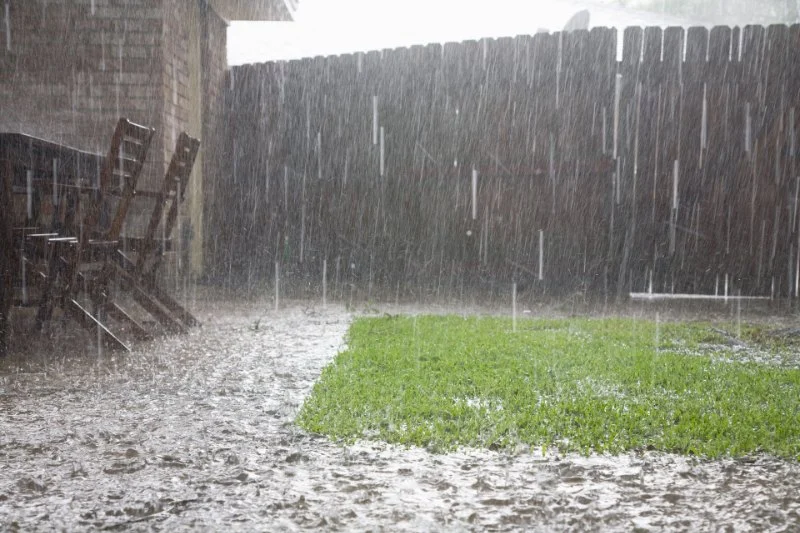
Landscaping in rainy or wet conditions can present unique challenges, especially when dealing with persistent moisture, poor drainage, and waterlogged soil. While wet weather can bring lush growth and vibrant greenery, it can also cause soil erosion, plant diseases, and stagnant water. To create a beautiful, thriving landscape in such conditions, you need to approach your garden design with careful planning and the right materials.
In this article, we will explore how to landscape for rainy and wet conditions, from selecting appropriate plants to ensuring proper drainage. With the right knowledge and techniques, you can create a resilient, low-maintenance landscape that flourishes even in the wettest weather.
2- Choosing the Right Plants for Wet Weather Landscaping
The foundation of any successful landscape in rainy conditions is choosing the right plants. You’ll need to select plants that can tolerate or even thrive in wet soil, as well as those that can handle periods of standing water. Here are some tips for selecting the best plants for a wet weather landscape:
2.1. Opt for Native Plants
Native plants are often the best choice for wet weather landscapes because they are naturally adapted to your local climate and soil conditions. Many native plants are well-suited to handle moisture and rainfall. Look for native species that are known for their drought-tolerance and water-resistance, such as marsh plants, ferns, and certain wildflowers.
2.2. Choose Plants with Good Drainage Requirements
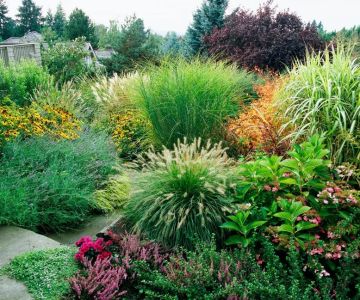
Some plants are better equipped to handle wet conditions than others. Plants like willows, rushes, and certain types of grasses are well-suited for landscapes that experience frequent rainfall. These plants thrive in moist soil and can handle periods of heavy rain without becoming waterlogged.
2.3. Incorporate Plants That Add Texture
In wet weather, some plants may struggle with rot if the moisture isn’t managed properly. Choose plants with durable, water-resistant foliage such as hostas, ferns, or ornamental grasses. These plants not only thrive in wet conditions but also offer varied textures, which can enhance the aesthetic appeal of your landscape.
3- How to Create Proper Drainage in Wet Conditions
Proper drainage is essential when landscaping in wet conditions. Without it, excess water can pool around your plants, causing root rot, mold, and soil erosion. Here’s how to create effective drainage to keep your landscape healthy:
3.1. Improve Soil Drainage
Amend your soil by adding organic matter such as compost, mulch, or sand. These materials can improve soil structure, help retain moisture, and ensure that water drains away more efficiently. Well-draining soil is key to preventing waterlogging and promoting healthy root systems for your plants.
3.2. Use French Drains
French drains are a great option for diverting excess water away from areas where it tends to pool. These trenches filled with gravel and perforated pipe allow water to flow away from your garden, preventing soil erosion and water accumulation. Installing French drains can help maintain dry paths and garden beds even during heavy rainfall.
3.3. Elevate Garden Beds
If you’re growing plants in areas prone to flooding or poor drainage, consider building raised garden beds. Elevating your garden beds can help prevent water from collecting around plant roots, keeping the soil dry and improving overall plant health.
4- Design Tips for a Rain-Resilient Landscape
Designing a landscape that can handle wet conditions requires thoughtful planning and creative solutions. Here are some key tips for creating a rain-resilient landscape:
4.1. Create Water Features that Double as Drainage
Integrating water features like rain gardens, ponds, or streams can help manage excess water while also adding visual interest to your landscape. Rain gardens, for example, are designed to collect rainwater from downspouts and allow it to soak into the ground. These features help reduce runoff and prevent erosion, while also providing habitat for beneficial wildlife.
4.2. Use Permeable Surfaces
Instead of using traditional hardscaping materials like concrete or asphalt, consider using permeable pavers, gravel, or crushed stone for walkways and patios. These materials allow water to flow through, reducing runoff and helping to maintain natural water cycles in your landscape.
4.3. Plant Ground Covers and Mulch
Ground covers such as ivy, creeping thyme, or clover can help absorb moisture and prevent erosion on slopes or bare areas. Layering mulch around your plants will also help retain moisture and keep soil temperatures stable, while also protecting plant roots from heavy rain and runoff.
5- Real-World Case Study: Landscaping in a Wet Climate
Let’s look at a real-world example of how landscaping can be adapted to wet conditions. A family living in the Pacific Northwest experienced persistent rainfall, which led to waterlogged soil and plant health issues. They decided to redesign their garden with a focus on improving drainage and choosing plants that thrived in wet conditions.
They installed French drains along the perimeter of the garden and elevated their garden beds. For plants, they chose native wetland species like cattails and irises, which thrive in moist soil. The addition of a rain garden allowed excess water to drain away naturally, and ground covers helped prevent erosion. Within a few months, their landscape flourished, and the family was able to enjoy a vibrant garden, even during the rainy season.
For more tips on how to create beautiful and functional landscapes in wet conditions, visit [Beautiful Landscapes]. Our expert recommendations can help you design a landscape that not only survives but thrives in rainy weather.

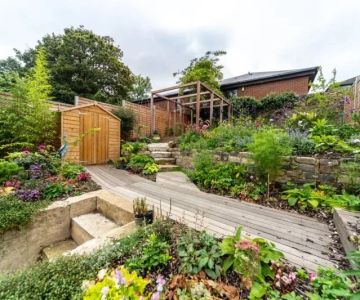

 SOUTHLAKE SERVICES - Landscaping - Maintenance- Construction -5.0 (90 reviews)
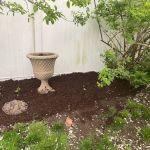 Jak of all trades4.0 (6 reviews)
 Benanzer Nursery & Landscaping4.0 (12 reviews)
 Turf Works - Landscape And Lawn Care1.0 (1 reviews)
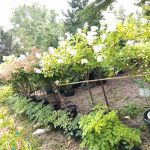 Landscape Designs Nursery5.0 (12 reviews)
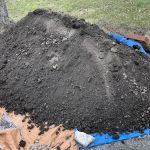 Hellenbrand Landscaping LLC4.0 (6 reviews)
 Landscape Renovation: When & How to Update Your Yard
 How to Use Native Plants to Reduce Pest & Disease
 How to Design a Family-Friendly Backyard Without Losing Style
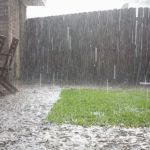 How to Landscape for Rainy & Wet Conditions
 How to Plan Vertical & Horizontal Plant Movement for a Thriving Garden
 How to Incorporate Edible Plants Into Ornamental Gardens