
 php-template复制代码
1. Understanding the Benefits of Native Plants
Native plants are an excellent choice for gardeners looking to reduce pests and diseases naturally. These plants have evolved to thrive in specific local environments, making them well-suited to local conditions. By incorporating native plants into your landscape, you can create a more sustainable, low-maintenance garden that requires fewer chemical interventions. Native plants attract beneficial insects, support local wildlife, and are often more resistant to pests and diseases than non-native species. Additionally, they help maintain the ecological balance of the area, fostering a healthier, more resilient garden.

Knob Hill Nursery & Landscaping
BloomingtonMcLean CountyIllinois
4 Ashling Ct, Bloomington, IL 61704, USA
2. How Native Plants Help Reduce Pests
Native plants offer a natural method of pest control, making them an excellent choice for gardeners who wish to avoid harmful chemicals. Here's how they help reduce pest problems:

2.1. Attracting Beneficial Insects
One of the key benefits of planting native species is their ability to attract beneficial insects, such as ladybugs, lacewings, and predatory beetles, which feed on common garden pests like aphids and caterpillars. These natural predators help keep pest populations in check, reducing the need for chemical pesticides. By providing the right habitat, such as nectar-rich flowers, you can create a sanctuary for these helpful insects.
2.2. Promoting Biodiversity
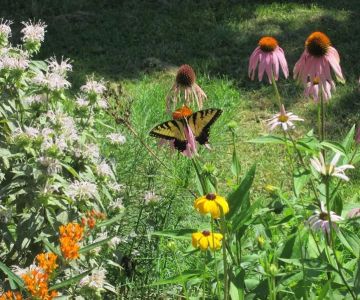
Native plants support a diverse range of wildlife, including birds, pollinators, and soil organisms. This biodiversity helps to create a balanced ecosystem where pests are naturally controlled. For example, plants like echinacea and milkweed attract pollinators that also contribute to pest control. Additionally, a diverse garden is less likely to become a target for pests, as there is no single food source for them to focus on.
2.3. Providing Pest-Resistant Traits
Many native plants have evolved to withstand pest pressures specific to the region. They have developed natural defenses, such as thick leaves, strong scents, or chemical compounds, that deter pests. For instance, certain native grasses and shrubs are naturally resistant to diseases like powdery mildew and rust. By selecting the right native plants for your area, you can significantly reduce the likelihood of pest infestations.
3. Using Native Plants to Prevent Diseases
In addition to reducing pests, native plants are also more likely to resist common diseases. Here's how native plants can help keep your garden healthy:
3.1. Improved Resistance to Local Plant Diseases
Native plants have adapted to the local environment, which means they are more resistant to diseases that are common in your area. For example, native trees like oaks and maples are better suited to the local soil and climate, making them less susceptible to fungal infections or blights. Additionally, native plants are often more drought-tolerant, which reduces stress and the chances of disease outbreaks caused by overwatering or poor drainage.
3.2. Reduced Need for Chemical Treatments
Because native plants are naturally resistant to many of the diseases that affect non-native species, you can reduce or even eliminate the need for chemical treatments. By avoiding the use of pesticides and fungicides, you protect beneficial insects and pollinators, while also contributing to the health of your local ecosystem. This is especially important for maintaining organic gardening practices.
3.3. Soil Health and Disease Prevention
Native plants help improve soil health, which in turn prevents the spread of diseases. Many native species have deep root systems that aerate the soil and improve drainage. Healthy soil fosters a strong root system, making plants more resilient to disease. Additionally, the organic matter provided by native plants supports beneficial microbes in the soil, further enhancing plant health and disease resistance.
4. Practical Tips for Integrating Native Plants
Integrating native plants into your garden can be a rewarding process. Here are some practical tips to help you get started:
4.1. Choose Plants Adapted to Your Climate
When selecting native plants, be sure to choose varieties that are well-suited to your climate, soil type, and growing conditions. Local botanical gardens or native plant societies can provide valuable advice on the best plants for your region. Selecting plants that are naturally adapted to your local environment will ensure their success and reduce the likelihood of pest and disease problems.
4.2. Create a Diverse Planting Scheme
A diverse garden is a healthy garden. To maximize the benefits of native plants, incorporate a mix of species that provide food, shelter, and habitat for beneficial insects, birds, and other wildlife. Consider planting a combination of flowering perennials, shrubs, trees, and ground covers to create layers of vegetation that will support a wide range of species.
4.3. Practice Good Garden Hygiene
Even though native plants are generally more resistant to pests and diseases, it's still important to practice good garden hygiene. Remove dead leaves, debris, and infected plants regularly to reduce the risk of disease spread. Additionally, consider rotating crops and spacing plants properly to reduce the risk of overcrowding, which can create conditions that favor pests and diseases.
5. Real-Life Examples of Successful Native Plant Gardens
Here are some inspiring examples of how native plants have helped reduce pests and diseases in real gardens:
5.1. Case Study 1: Urban Garden Transformation
A community garden in Chicago used native plants to transform an overgrown, pest-ridden space into a thriving, sustainable landscape. By planting native grasses, wildflowers, and shrubs, the garden was able to attract pollinators and natural predators, significantly reducing the need for pesticides. The use of native plants also helped improve soil health and reduced plant diseases, creating a healthier garden ecosystem.
5.2. Case Study 2: Backyard Oasis
A homeowner in Portland, Oregon, replaced their non-native plants with native species to reduce the use of chemical pesticides and fertilizers. The result was a thriving backyard garden full of diverse, pest-resistant plants. Native plants such as lavender, coneflowers, and native grasses not only attracted beneficial insects but also helped control plant diseases by improving soil structure and promoting biodiversity.
6. Final Thoughts on Using Native Plants for Pest and Disease Control
Using native plants to reduce pests and diseases is a natural, sustainable way to maintain a healthy garden. By selecting plants that are well-adapted to your local environment, you can create a more resilient landscape that requires fewer chemicals and is better for the ecosystem. Native plants offer a range of benefits, from supporting biodiversity to improving soil health. For gardeners looking to enhance their landscape with native species, visit Beautiful Landscapes for expert advice and a selection of the best native plants for your region.




 Shawnee Landscaping4.0 (12 reviews)
 The Lawn Shark LLC5.0 (13 reviews)
 Vermillion Ridge Services0.0 (0 reviews)
 Trees Above Lawns Below4.0 (12 reviews)
 E&O Landscaping5.0 (9 reviews)
 Inspire Outdoor Living, Inc.5.0 (90 reviews)
 How to Plant for Delayed Blooming to Extend Season
 How to Choose Plants That Don’t Compete: A Guide for Perfect Landscaping
 How to Plan Vertical & Horizontal Plant Movement for a Thriving Garden
 How to Incorporate Steps & Elevation Into Design
 How to Choose Outdoor Furniture That Complements Landscape
 Best Ground Covers for Slopes & Erosion Control: Affordable and Effective Solutions