
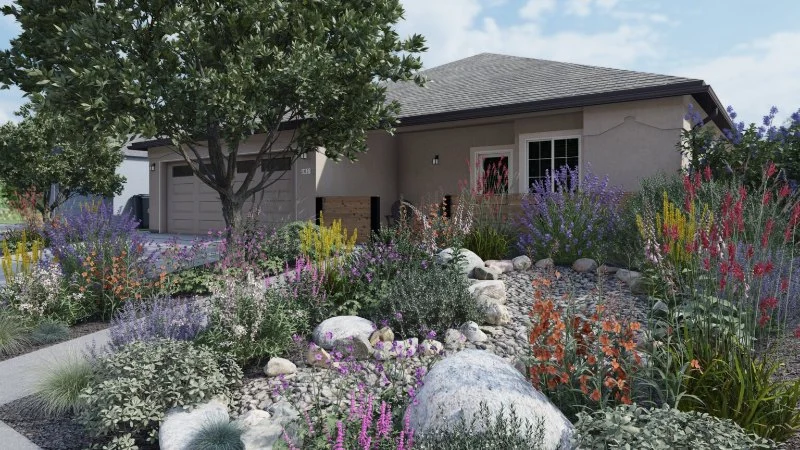
- 1 - Understanding No-Mow Lawns
- 2 - Benefits of a No-Mow Front Yard
- 3 - Selecting Plants and Groundcovers
- 4 - Designing a Low-Maintenance Layout
- 5 - Real-Life Examples and Case Studies
- 6 - Professional Tips and Beautiful Landscapes Resources
1 - Understanding No-Mow Lawns
No-mow lawns are designed to replace traditional grass with alternative plants that do not require regular mowing. This approach emphasizes sustainability, aesthetics, and reduced labor while providing a healthy and visually appealing front yard.

1.1 What Defines a No-Mow Yard
These yards often include a mix of low-growing groundcovers, ornamental grasses, and native plants. The goal is to maintain greenery and soil coverage without the need for weekly mowing or intensive upkeep.

1.2 Applications for Homeowners
No-mow lawns are ideal for busy homeowners, urban environments, and regions with water restrictions. A homeowner in Colorado converted a 1,000-square-foot front yard to a mix of creeping thyme and drought-tolerant sedum, eliminating the need for lawn mowing entirely.
2 - Benefits of a No-Mow Front Yard
Creating a yard that requires no mowing offers multiple practical and environmental benefits.
2.1 Reduced Maintenance
Without the need for mowing, trimming, or frequent fertilization, homeowners save hours of labor each month. This is especially appealing for busy families or seniors.
2.2 Water Conservation
Many no-mow plant selections are drought-tolerant. Replacing traditional turfgrass with native groundcovers reduces irrigation needs, which is particularly important in arid regions like Arizona or California.
2.3 Environmental Impact
No-mow yards provide habitat for pollinators and reduce emissions from lawn equipment. Additionally, dense groundcover protects soil from erosion and improves fertility.
2.4 Aesthetic Variety
Replacing grass with textured groundcovers, flowering plants, and ornamental grasses adds visual interest. Families in Florida planted a mix of creeping phlox and dwarf mondo grass, creating a colorful, layered landscape.
3 - Selecting Plants and Groundcovers
Choosing the right plants is key to a successful no-mow yard.
3.1 Low-Growing Groundcovers
Options such as creeping thyme, sedum, or ajuga provide dense coverage and flowering interest. They naturally suppress weeds while requiring minimal maintenance.
3.2 Native Plants
Native grasses, wildflowers, and perennials are well-adapted to local climates. They are more resistant to pests and extreme weather, reducing the need for fertilizers and irrigation.
3.3 Seasonal Considerations
Select plants that provide year-round appeal or stagger bloom times. For example, pairing evergreen groundcovers with flowering perennials ensures continuous coverage and seasonal color.
4 - Designing a Low-Maintenance Layout
Thoughtful design maximizes the benefits of a no-mow yard while keeping it visually appealing.
4.1 Zoning and Layering
Create zones with different groundcovers and plant heights. Low, dense plants in walkways or borders, medium-height grasses in central areas, and taller perennials for visual interest near entrances or corners.
4.2 Incorporating Hardscape Elements
Paths, gravel beds, and decorative rocks reduce soil exposure and complement plantings. They also provide functional access without damaging plants.
4.3 Mulching and Soil Preparation
Even with groundcovers, initial soil preparation and organic mulch application help retain moisture and establish healthy growth. Over time, groundcovers themselves function as living mulch.
5 - Real-Life Examples and Case Studies
Practical applications illustrate the effectiveness and beauty of no-mow yards.
5.1 Arizona Desert Yard
A homeowner replaced Bermuda grass with drought-tolerant succulents and native groundcovers. The yard required no mowing, reduced water usage, and attracted hummingbirds and butterflies.
5.2 Coastal California Home
Using creeping thyme, ornamental grasses, and lavender, a family eliminated mowing entirely. The yard remained lush and fragrant while requiring minimal upkeep, demonstrating the aesthetic advantages of a no-mow approach.
5.3 Urban Portland Front Yard
Volunteers converted an urban front yard with mosses, low fescue, and flowering groundcovers. The result was reduced maintenance, improved curb appeal, and enhanced local biodiversity.
6 - Professional Tips and Beautiful Landscapes Resources
Expert guidance ensures that your no-mow yard is sustainable, functional, and attractive.
6.1 Consult Landscape Professionals
Professional advice helps identify suitable plants, plan spacing, and integrate hardscape elements effectively.
6.2 Beautiful Landscapes Resources
Beautiful Landscapes offers curated plant selections, design guides, and tutorials to help homeowners create a no-mow front yard. From groundcover recommendations to layout tips, these resources make the transition easy and effective.
6.3 Maintenance Best Practices
Monitor for invasive species, water new plants adequately, and prune selectively. With careful planning and minimal upkeep, a no-mow yard can thrive for years, providing both beauty and sustainability.

 Legacy Hardscape LLC5.0 (8 reviews)
 Walmart Patio & Garden Services0.0 (0 reviews)
 Walmart Patio & Garden Services0.0 (0 reviews)
 Snider Landscaping5.0 (24 reviews)
 Gabe's Greenworks & landscaping4.0 (20 reviews)
 Midwest Lawn and Property Services LLC5.0 (7 reviews)
 How to Use Planters to Extend Planting Zones and Grow More Plants
 How to Grow Climbing Plants on Pergolas & Trellises
 How to Choose Eco-Friendly Outdoor Flooring Options: Sustainable Choices for Your Garden
 htmlCopy codeHow to Create a Bee-Friendly Yard Without Attracting Pests
 How to Choose Mulch Based on Soil Type
 How to Landscape With Fragrant Plants for a Pleasant Garden