
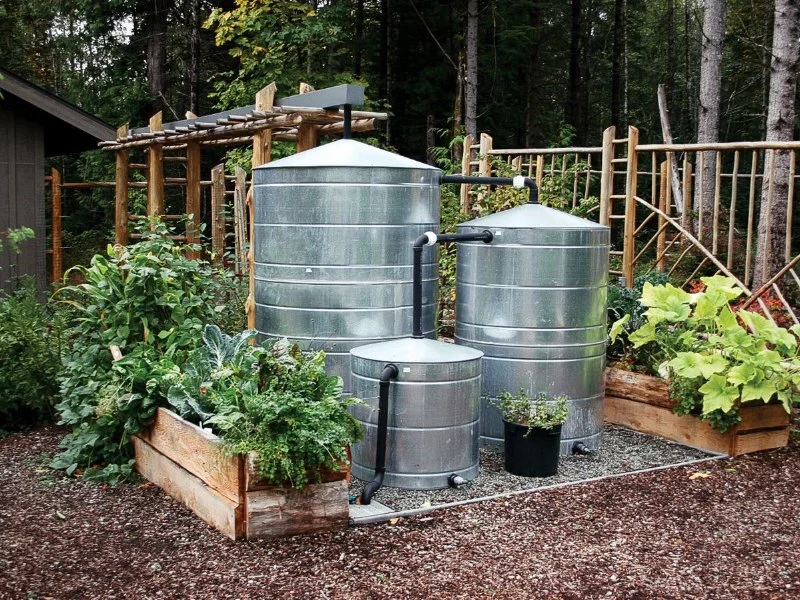
Why Rainwater Storage Is Important for Gardens
In many regions, water conservation has become a pressing issue, and gardeners are increasingly looking for ways to reduce their reliance on municipal water systems. One of the most effective and sustainable solutions is rainwater harvesting. By building a rainwater storage system for your garden, you can collect rainwater, reduce your water bills, and provide your plants with the purest form of water available.
Rainwater is free of the chemicals commonly found in tap water, such as chlorine and fluoride, making it ideal for plants. Additionally, collecting rainwater helps reduce the strain on local water supplies, especially during dry seasons. This system can also be an environmentally friendly way to water your garden while contributing to a more sustainable lifestyle.

Creative Landscaping and Design
St. JosephBerrien CountyMichigan
5360 M-139 Suite A, St Joseph, MI 49085, USA
Steps to Build a Rainwater Storage System for Your Garden
Building a rainwater storage system for your garden can be a rewarding DIY project. It involves several simple steps to ensure that the collected rainwater is both useful and accessible for your plants. Here’s how you can build your own system:
- Step 1: Choose the Right Location – Begin by selecting an ideal location for your rainwater storage system. This area should be close to your garden, as you’ll want to easily transport the water. Additionally, make sure the spot receives enough rainfall and is free from debris that could clog your system.
- Step 2: Select a Storage Tank – The size of your rainwater storage tank will depend on the size of your garden and the average rainfall in your area. Common options include plastic rain barrels, larger tanks, or even underground cisterns. Make sure the tank has a secure lid to prevent contamination and mosquito breeding.
- Step 3: Install Gutters and Downspouts – To collect rainwater from your roof, you will need gutters and downspouts. Ensure that the gutters are clean and in good condition, as this will help prevent debris from entering your system. Connect the downspout to your storage tank, using a first flush diverter if possible. This device helps ensure that the initial runoff, which may contain dirt or debris, is excluded from your storage tank.
- Step 4: Set Up a Filter System – Installing a filter at the entry point of your storage tank is essential to remove leaves, dirt, and other debris. This will keep the water clean and prevent clogging in the tank and irrigation system.
- Step 5: Connect the System to Your Garden – Once your tank is full, you can use the rainwater for your garden. You can either manually water the plants using a hose or connect the tank to an irrigation system for automatic watering. Make sure to install a spigot or pump at the bottom of the tank for easy access to the water.
Essential Components for Rainwater Harvesting Systems
When building a rainwater storage system, there are a few key components you will need to consider. Each plays a vital role in ensuring that your system works effectively and efficiently:
- Storage Tank: As mentioned earlier, the tank stores the collected rainwater. It should be large enough to meet the watering needs of your garden, yet compact enough to fit in your chosen location. Common options include plastic barrels, fiberglass tanks, or larger underground systems.
- Gutters and Downspouts: Gutters collect the rainwater from your roof and direct it into the downspouts. These components are essential for channeling rainwater to the storage tank. Make sure they are properly installed and maintained to prevent leaks.
- First Flush Diverter: A first flush diverter is an optional but highly recommended addition to your system. It ensures that the first batch of rainwater, which may contain contaminants from the roof, is diverted away from the storage tank.
- Filters: To ensure that the rainwater remains clean, install a mesh or other filter at the entry point of the tank. This will prevent leaves, dirt, and insects from contaminating the water.
- Spigot or Pump: You will need a spigot or a pump at the bottom of the tank to access the rainwater. The spigot makes it easy to fill watering cans or connect to an irrigation system.
Maintaining Your Rainwater Storage System
To ensure that your rainwater storage system operates efficiently, regular maintenance is essential. Here are a few key maintenance tasks to keep your system in top condition:
- Clean Gutters and Filters: Periodically clean your gutters and filters to remove debris. This will prevent clogs and ensure that rainwater flows smoothly into the storage tank.
- Check for Leaks: Inspect your system for any leaks or damage, particularly around the downspouts and tank. Repair any issues promptly to prevent water wastage.
- Maintain the Tank: Clean your tank once or twice a year to remove sediment and algae buildup. You can use a safe, non-toxic cleaner to ensure the water remains pure.
- Winterizing the System: If you live in an area that experiences freezing temperatures, be sure to winterize your rainwater storage system to prevent damage. This may involve draining the tank and detaching the downspout.
Real-Life Examples of Successful Rainwater Usage in Gardens
Many gardeners have successfully implemented rainwater storage systems, and their stories showcase the effectiveness of these systems in maintaining healthy gardens. For example, Jane, a gardener in Texas, installed a rainwater storage system and was able to reduce her water bill by 40% while keeping her plants hydrated during dry spells. She found that the rainwater helped her plants thrive, and she even used it to water her vegetable garden, resulting in higher yields.
Another example is Mark, a passionate urban gardener in California, who set up a rainwater harvesting system using a 200-gallon rain barrel. This system allowed him to keep his garden flourishing despite the drought conditions in his area. Mark was able to grow a wide variety of plants, from herbs to fruit trees, all with the help of collected rainwater.
These examples demonstrate the practical benefits of building a rainwater storage system for gardens, and they highlight how simple steps can make a big difference in conserving water and maintaining healthy plants.
For more information on building and maintaining a rainwater storage system for your garden, check out Beautiful Landscapes for the best tools and services to help you get started.






 Augusta Lawn Care of Newburgh4.0 (61 reviews)
 Janice's Maintenance Care Landscaping4.0 (33 reviews)
 The Illuminators Outdoor Lighting5.0 (621 reviews)
 Affordable Lawn Care Company4.0 (78 reviews)
 SiteOne Landscape Supply4.0 (27 reviews)
 Ware Landscaping & Snow Removal5.0 (8 reviews)
 How to Protect Plants From Frost & Freeze Damage - Essential Tips for Gardeners
 How to Use Drip Irrigation to Save Water Effectively
 How to Design a Garden That Changes All Year
 How to Design a Sensory Garden (Smell, Touch, Sound)
 How to Incorporate Pathway Lighting for Safety and Style
 How to Landscape Using Modular or Prefabricated Elements