
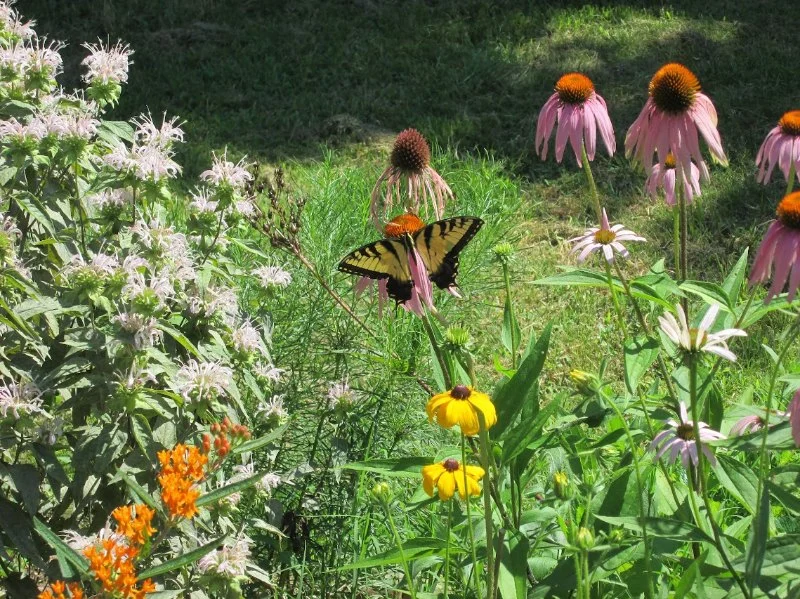
How to Design a Garden for Pollinators & Native Species
- 1. Introduction to Designing for Pollinators and Native Species
- 2. Benefits of a Pollinator-Friendly Garden
- 3. Tips for Designing a Pollinator & Native Plant Garden
- 4. Choosing Native Plants for Pollinators
- 5. Maintaining Your Pollinator-Friendly Garden
1. Introduction to Designing for Pollinators and Native Species
Creating a garden that supports pollinators and native species is an essential step towards sustainable gardening and protecting local ecosystems. Pollinators such as bees, butterflies, and hummingbirds play a vital role in the reproduction of many plants. By designing your garden with these creatures in mind, you contribute to the conservation of biodiversity and help maintain a healthy environment. In this article, we'll guide you through the process of designing a garden that attracts pollinators and nurtures native species.
Perfection Lawn Care & Landscaping
GalenaJo Daviess CountyIllinois
9289 W Powder House Hill Rd, Galena, IL 61036, USA
2. Benefits of a Pollinator-Friendly Garden
Designing a garden that supports pollinators and native species offers numerous benefits, not only for the environment but also for your garden:
- Environmental conservation: Pollinators are essential for the fertilization of many plants, which are crucial for local wildlife and ecosystems.
- Biodiversity enhancement: A garden designed with native species creates a habitat for local wildlife, improving the overall biodiversity of your area.
- Better plant health: Native plants are adapted to local conditions, making them more resilient to pests, diseases, and extreme weather.
- Educational opportunity: Creating a garden for pollinators and native species provides an opportunity for learning about the importance of these creatures and plants.
3. Tips for Designing a Pollinator & Native Plant Garden
Designing a garden that attracts pollinators and supports native species involves creating a welcoming environment with a variety of plants and features. Here are some key design tips:
Maj Lawncare Incorporated
Franklin ParkCook CountyIllinois
9333 Schiller Blvd, Franklin Park, IL 60131, USA
Step 1: Plan for Diverse Plant Life
To attract a variety of pollinators, you should plant a diverse range of flowers, shrubs, and trees. Aim for plants that bloom at different times throughout the year to provide a continuous source of nectar and pollen. Include plants that vary in color, shape, and scent to cater to different types of pollinators, such as bees, butterflies, and hummingbirds.
Step 2: Create Layers of Vegetation
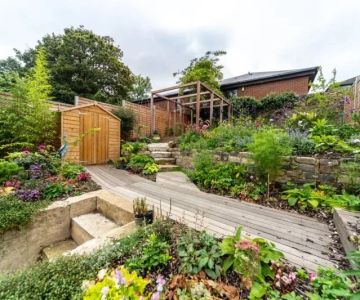
Design your garden with layers of vegetation to mimic natural habitats. This includes groundcovers, low-growing plants, medium shrubs, and tall trees. Each layer provides different shelter and feeding opportunities for pollinators and native species.
Step 3: Provide Water and Shelter
Pollinators need water for hydration. Include a shallow birdbath or a small pond in your garden, ensuring that the water is accessible without being too deep. Additionally, provide shelter for pollinators, such as bee hotels, rock piles, or leaf piles where insects can find protection and nesting sites.
Step 4: Avoid Pesticides and Chemicals
Avoid using harmful chemicals in your garden, as they can harm pollinators and other beneficial insects. Opt for organic gardening methods and natural pest control solutions that are safer for wildlife.
4. Choosing Native Plants for Pollinators
Native plants are essential for creating a garden that supports local pollinators. These plants have evolved alongside local species and are the best source of food and habitat for native wildlife. Here are some popular native plants to consider:
- Milkweed: A vital plant for monarch butterflies, as it serves as their primary food source during the caterpillar stage.
- Echinacea (Coneflower): Known for attracting bees and butterflies, this plant is easy to grow and blooms throughout the summer.
- Bee Balm: A favorite of hummingbirds and bees, this plant produces vibrant red, pink, or purple flowers.
- Black-eyed Susan: This hardy plant attracts pollinators and is a great choice for adding color to your garden.
- Goldenrod: A late-blooming plant that provides nectar for pollinators in the fall when other flowers are scarce.
5. Maintaining Your Pollinator-Friendly Garden
Once your garden is established, it's important to maintain it to keep it thriving and beneficial for pollinators and native species:
- Regular watering: Ensure that your plants receive enough water, especially during dry spells. Use rain barrels or other sustainable watering methods to conserve water.
- Pruning: Prune plants to remove dead or damaged growth and to encourage healthy new growth.
- Monitor for pests: While it's important to avoid pesticides, you should still monitor your plants for pests and diseases. Use organic methods such as introducing beneficial insects to manage pest populations.
- Plant for the seasons: Make sure you have a variety of plants that bloom throughout the year, offering food and shelter for pollinators at all stages of their lifecycle.
Designing a garden for pollinators and native species is a rewarding and sustainable way to enhance biodiversity and support local wildlife. By creating a space that caters to the needs of these vital creatures, you'll not only beautify your garden but also contribute to a healthier environment. For more ideas and resources, visit Beautiful Landscapes to find the best plants and tools for your garden.

 H&H Services Incorporated4.0 (7 reviews)
 Best Buds Landscape5.0 (3 reviews)
 Walmart Patio & Garden Services0.0 (0 reviews)
 Nicole Ann Landscapes5.0 (2 reviews)
 Creekside Turf Management, LLC5.0 (103 reviews)
 Solid Rock Landscaping LLC5.0 (35 reviews)
 How to Create a Front Walk That Makes a Great First Impression
 How to Cultivate a Wildflower Meadow at Home: A Step-by-Step Guide
 How to Choose Eco-Friendly Outdoor Flooring Options: Sustainable Choices for Your Garden
 How to Use Stepping Stones to Guide Garden Movement
 How to Build Raised Garden Beds That Last
 How to Build a Pathway That Blends With Nature: A Step-by-Step Guide