
- 1. Why Build an Outdoor Kitchen?
- 2. Planning Your Outdoor Kitchen Design
- 3. Choosing the Right Location for Your Outdoor Kitchen
- 4. Selecting Materials That Blend with Your Garden
- 5. Essential Features to Include in Your Outdoor Kitchen
- 6. Maintaining Your Outdoor Kitchen
1. Why Build an Outdoor Kitchen?
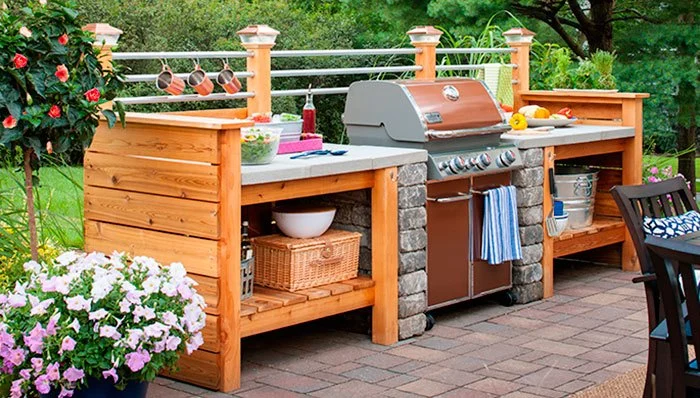
Creating an outdoor kitchen is more than just adding a cooking space in your backyard; it's about enhancing your lifestyle. Outdoor kitchens provide a dedicated space for cooking, entertaining, and enjoying meals in the fresh air. Whether you're hosting a barbecue with friends or preparing a quiet dinner, an outdoor kitchen allows you to enjoy the beauty of your garden while cooking. Plus, it increases the value of your home by adding a unique and functional feature to your outdoor living space.

2. Planning Your Outdoor Kitchen Design
The first step in building an outdoor kitchen is to plan the layout. Consider the size of your garden and the available space for the kitchen. Will it be a small nook or a large island that serves as a focal point for the entire backyard? Think about your cooking style and how you will use the kitchen. Do you entertain often, or is it primarily for family use? Understanding your needs will help guide the design and layout.

2.1 Incorporating the Kitchen into Your Garden
Your outdoor kitchen should flow naturally with your garden. Consider the overall aesthetic of your outdoor space. For example, if you have a Mediterranean-inspired garden, you may want to choose materials like stone and terracotta. If your garden has a more contemporary feel, sleek stainless steel appliances and minimalist design elements may be more fitting. It’s essential to create harmony between the kitchen and garden to make the space feel cohesive.
3. Choosing the Right Location for Your Outdoor Kitchen
The location of your outdoor kitchen is critical to its success. You need to consider several factors, such as proximity to the house, sunlight, wind direction, and available space. A common choice is placing the kitchen near the backdoor for easy access to the indoor kitchen and dining areas. However, also think about ventilation—if you're grilling, you don’t want smoke to blow into your house or dining area. Additionally, take into account any landscaping features like trees or flowers, as they can provide shade or privacy while cooking.
3.1 Accessibility and Functionality
Your outdoor kitchen should be functional and easy to access. Ensure the cooking area, dining space, and prep areas are all close enough for convenience but spaced out for comfort. Don’t forget about access to utilities like water, electricity, and gas. Proper planning ensures that the kitchen will be easy to use and not obstructed by garden elements.
4. Selecting Materials That Blend with Your Garden
The materials you choose for your outdoor kitchen should complement your garden and withstand outdoor elements. Consider natural stones like granite or slate for countertops and flooring, as they are durable and visually appealing. For cabinets, look for weather-resistant materials such as stainless steel or marine-grade plywood to ensure longevity and ease of maintenance.
4.1 Choosing the Right Countertops
Countertops are a central feature of any outdoor kitchen. Choose materials that not only look great but are also durable and weather-resistant. Granite, quartz, and concrete are popular choices for their ability to withstand the elements. If you’re looking for something more natural, consider stone or wood that has been sealed for outdoor use.
4.2 Flooring Options
Outdoor kitchen flooring should be durable and slip-resistant, especially if your kitchen will be exposed to rain. Options like flagstone, brick, and concrete are ideal for creating a stable and safe surface. For a more cohesive look, use the same materials as your garden path or patio.
5. Essential Features to Include in Your Outdoor Kitchen
When designing your outdoor kitchen, it’s important to consider the essential features that will make the space functional and enjoyable to use. Some key features include a grill, sink, refrigerator, and ample counter space for food prep. Depending on your needs, you might also want to include a pizza oven, storage cabinets, or even a small bar area for entertaining.
5.1 Grilling Station
The centerpiece of most outdoor kitchens is the grill. Whether you prefer gas, charcoal, or wood-fired cooking, the grill should be a reliable and easy-to-use feature in your kitchen. Look for models that offer enough space for your cooking needs, and consider additional features like side burners or rotisserie options for added versatility.
5.2 Work and Storage Space
Ample counter space is essential for meal prep and serving. Incorporate storage for utensils, spices, and cooking tools to keep the kitchen organized. Consider adding closed cabinets or open shelving to store items like plates, napkins, and condiments, making everything easily accessible while cooking.
6. Maintaining Your Outdoor Kitchen
To ensure your outdoor kitchen stays in top condition, regular maintenance is crucial. Clean the grill after every use, and periodically check for any wear and tear on countertops, appliances, and storage. Additionally, keep an eye on the weatherproofing of your materials, such as resealing wooden surfaces and maintaining the integrity of outdoor appliances.
6.1 Cleaning and Upkeep
Proper cleaning is key to the longevity of your outdoor kitchen. Wipe down surfaces regularly and ensure that grease and food residues don’t build up in the grill or storage areas. Keeping your kitchen clean will also prevent unwanted pests and mold from forming, especially in humid climates.
6.2 Seasonal Maintenance
Prepare your outdoor kitchen for each season by checking that all equipment is functioning correctly. Before winter, cover appliances, clean the grill thoroughly, and protect the counters from harsh weather. By taking care of your outdoor kitchen year-round, you’ll ensure it remains a reliable and beautiful space for many seasons to come.




 Brown Enterprises Landscaping4.0 (10 reviews)
 Cory's Landscaping and Design, LLC1.0 (1 reviews)
 Coulee Region Landscape & Design LLC5.0 (8 reviews)
 Amelon Lawn Care LLC5.0 (3 reviews)
 Ewing Landscape LLC3.0 (2 reviews)
 Madison Green Team4.0 (26 reviews)
 How to Shield Plants From Strong Winds in Your Yard
 How to Choose Outdoor Furniture That Complements Landscape
 How to Reduce Maintenance with Smart Plant Grouping
 How to Plan a Garden for Succession Blooming
 How to Plan an Entryway Garden That Welcomes Guests
 How to Build Garden Steps That Look Natural