
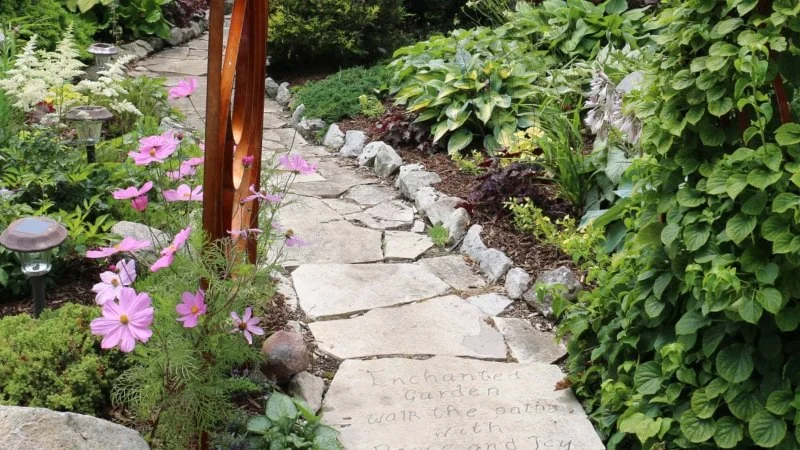
1. Why Movement Is a Key Part of Garden Design
A well-designed garden is not only meant to be seen, but also experienced. How people move through a space affects how they notice plants, interact with features, and feel overall. Without guidance, visitors often create their own paths, sometimes stepping on plants or compacting soil in unintended areas.
Stepping stones provide subtle direction. Instead of signs or barriers, they suggest where to walk in a natural, intuitive way. This makes them especially valuable in gardens that aim to feel relaxed, organic, and welcoming rather than structured or rigid.

2. How Stepping Stones Influence Movement and Behavior
People instinctively follow stable, visible footing. When stepping stones are placed with intention, they quietly lead the eye and the feet along a desired route. Curved paths slow movement and encourage observation, while straighter lines create efficiency and purpose.
Stepping stones also establish rhythm. The distance between stones determines walking pace and comfort. Proper spacing allows movement to feel effortless, which makes visitors more likely to stay on the intended path rather than cutting across planting beds.
In this way, stepping stones act as both guides and protectors of the surrounding landscape.
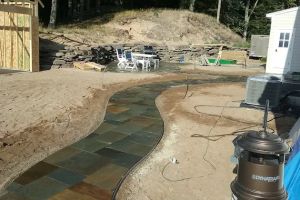
3. Creating Natural Flow Through Thoughtful Placement
Effective stepping stone placement starts with observing how people already move through the garden. Designers often recommend walking the area and noting natural pauses, turns, and destinations before setting stones permanently.
Spacing should match an average stride to feel intuitive. Stones placed too far apart disrupt flow, while stones placed too close can feel awkward. Adjusting placement slightly as the path curves helps maintain balance and comfort.
Orientation matters as well. Angling stones gently toward focal points such as seating areas, water features, or garden entrances reinforces direction without drawing attention to the mechanism itself.
4. Real-Life Gardens Where Stepping Stones Made a Difference
A homeowner in Oregon shared how visitors constantly walked through a flower bed to reach a backyard patio. Instead of fencing the area, they added a series of flat stepping stones that curved naturally around the plants. The foot traffic immediately shifted, and the plants recovered within a single season.
In another example from a community garden project in California, stepping stones were used to guide movement between shared plots. The result was improved accessibility, less soil compaction, and a noticeable increase in how long visitors stayed and explored the space.
These stories show that guiding movement does not require drastic changes. Small, thoughtful additions often have the biggest impact.
5. Blending Practical Use with Visual Appeal
While function comes first, stepping stones also contribute to a garden’s style. Materials, shapes, and textures can complement the overall landscape design. Natural stone creates an organic feel, while uniform shapes offer a cleaner, more modern look.
Color contrast helps stones stand out enough to guide movement without dominating the scene. When stones feel like part of the garden rather than an add-on, visitors follow them naturally.
The most successful paths are those that disappear into the experience while quietly doing their job.
6. Getting Guidance for Thoughtful Garden Layouts
Designing effective garden movement takes both creativity and planning. Resources like Beautiful Landscapes help homeowners explore ideas, materials, and professional insights that align function with beauty.
By using stepping stones intentionally, gardeners can guide movement, protect plants, and enhance how a space is experienced. The result is a garden that feels intuitive, inviting, and thoughtfully designed from the ground up.


 Brown Enterprises Landscaping4.0 (10 reviews)
 Cory's Landscaping and Design, LLC1.0 (1 reviews)
 Coulee Region Landscape & Design LLC5.0 (8 reviews)
 Amelon Lawn Care LLC5.0 (3 reviews)
 Ewing Landscape LLC3.0 (2 reviews)
 Madison Green Team4.0 (26 reviews)
 How to Shield Plants From Strong Winds in Your Yard
 How to Choose Outdoor Furniture That Complements Landscape
 How to Reduce Maintenance with Smart Plant Grouping
 How to Plan a Garden for Succession Blooming
 How to Plan an Entryway Garden That Welcomes Guests
 How to Build Garden Steps That Look Natural