
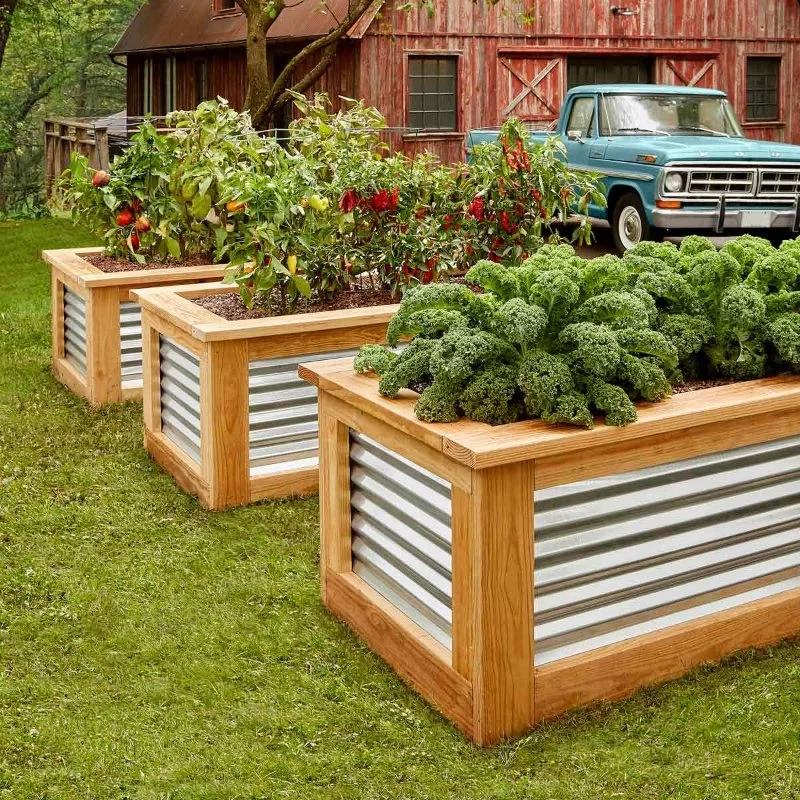
- Introduction to Raised Garden Beds
- Choosing the Right Materials
- Step-by-Step Guide to Building Raised Garden Beds
- Maintaining Your Raised Garden Beds
- Case Study: A Long-Lasting Raised Bed in Action
Introduction to Raised Garden Beds
Raised garden beds are an excellent solution for gardeners looking to improve soil quality, drainage, and accessibility. Whether you're growing vegetables, flowers, or herbs, raised beds offer several benefits, such as better soil control, reduced weed growth, and easier management of pests. If you're planning to build your own raised garden beds, it's essential to understand how to make them durable and long-lasting. In this guide, we'll walk you through the steps to create raised beds that will stand the test of time and provide the best growing conditions for your plants.
Choosing the Right Materials
The materials you choose for your raised garden bed will directly impact its longevity and functionality. Here are some of the best options to consider:
- Wood: Untreated wood like cedar or redwood is a popular choice because it's natural, durable, and resistant to decay. However, you should avoid treated wood as it may contain chemicals that could harm plants.
- Brick or Stone: These materials provide excellent durability and create a visually appealing garden structure. However, they can be heavy and more expensive compared to wood.
- Concrete Blocks: Concrete blocks are cost-effective, long-lasting, and easy to work with. They also provide great support and are excellent at holding in the soil. However, they may absorb heat, which can dry out soil quickly in warmer climates.
- Recycled Materials: If you're looking for a more eco-friendly option, recycled plastic lumber or composite materials are both durable and low-maintenance. They also come in various colors and styles, making it easy to find a design that fits your aesthetic.
Step-by-Step Guide to Building Raised Garden Beds
Building a raised garden bed doesn't have to be difficult. With the right tools and materials, you can create a sturdy and attractive structure. Here’s a step-by-step guide:
- Step 1: Choose the Location - Select a spot that gets plenty of sunlight, as most plants need at least 6 hours of direct sun each day. Ensure the area has good drainage and is easily accessible.
- Step 2: Gather Materials - Based on your chosen design, gather the necessary materials. Make sure to measure and cut the wood or materials according to your preferred dimensions.
- Step 3: Prepare the Ground - Clear the area of any grass, weeds, or rocks. You may want to lay down landscaping fabric at the base of your bed to prevent weeds from growing up into the soil.
- Step 4: Assemble the Frame - Attach the sides of the raised bed using screws or nails. Ensure the frame is level and square. If you're using stone or brick, create a stacked frame by layering the materials and securing them with mortar or adhesive.
- Step 5: Fill the Bed with Soil - Fill your raised bed with a mixture of compost, topsoil, and organic matter. This will create a fertile growing environment for your plants.
- Step 6: Plant Your Garden - Once your bed is filled with soil, it’s time to plant your chosen crops or flowers. Ensure each plant has enough space to grow and thrive.
Maintaining Your Raised Garden Beds
Proper maintenance will help your raised garden beds last for many years. Here are some maintenance tips:
- Watering: Raised beds can dry out faster than in-ground gardens, so be sure to water consistently. Consider using a drip irrigation system or soaker hoses to conserve water and keep soil moisture consistent.
- Weeding: Although raised beds reduce the likelihood of weed growth, it's still essential to remove any weeds that do appear. Mulching around plants can also help prevent new weeds from taking root.
- Rotating Crops: To maintain healthy soil, rotate your crops each year. This will help prevent nutrient depletion and reduce the risk of plant diseases.
- Replenishing Soil: Over time, the soil in raised beds can lose nutrients. Add compost, organic matter, and fertilizers regularly to ensure your plants have the nutrients they need to thrive.
Case Study: A Long-Lasting Raised Bed in Action
Take the example of a community garden in California that built raised garden beds to address poor soil quality. By using cedar wood and creating beds that were 12 inches deep, they were able to grow a variety of vegetables year-round. Regular maintenance and thoughtful soil replenishment kept the beds healthy, and they have now been in use for over 5 years. This case study shows that with proper care, raised beds can be a long-lasting and sustainable solution for gardening.




 Creekside Landscapes5.0 (74 reviews)
 Hunt's All In One Serivces4.0 (8 reviews)
 Patriot and Sons Lawn Care, Inc.5.0 (14 reviews)
 Primal landscape5.0 (11 reviews)
 J.F.V Landscaping Service Inc.5.0 (4 reviews)
 Holeman, Inc.4.0 (8 reviews)
 How to Choose Outdoor Seating That Complements Your Garden
 How to Use Lighting to Highlight Trees and Focal Plants
 How to Install Low-Voltage Lighting in Your Garden: A Step-by-Step Guide
 How to Choose Eco-Friendly Outdoor Flooring Options: Sustainable Choices for Your Garden
 Tips for Maintaining a Lawn in a Hot, Dry Summer
 How to Create a Landscape That’s Easy to Clean and Maintain