
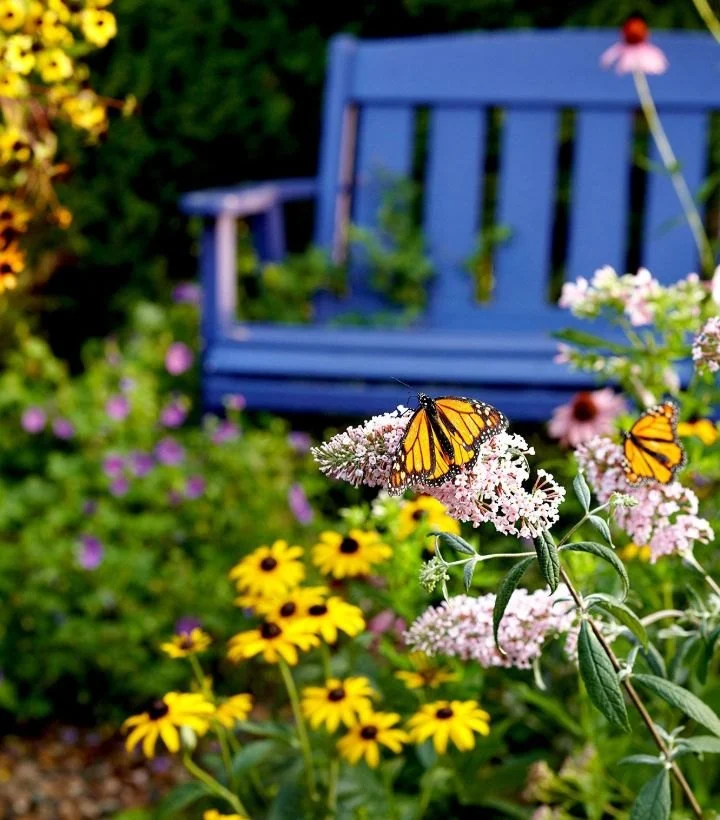
How to Create a Butterfly Pathway Through Your Garden
- Why Create a Butterfly Pathway
- Choosing the Right Plants
- Designing Your Butterfly Pathway
- Providing Food and Shelter
- Creating Safe Spaces for Butterflies
- Real-Life Garden Inspiration
- Enhance Your Landscape with Beautiful Landscapes
1. Why Create a Butterfly Pathway
Butterflies are not only beautiful visitors to any garden—they’re also essential pollinators that support a healthy ecosystem. Creating a butterfly pathway transforms your yard into a thriving habitat where these delicate creatures can feed, rest, and reproduce. It’s an act of conservation that adds movement, color, and vibrancy to your outdoor space.
With the decline of natural pollinator habitats across the U.S., gardeners play a key role in restoring biodiversity. Even a small backyard or balcony can become a safe stopover for butterflies migrating through your region. The secret lies in thoughtful design, native plants, and natural care practices that make butterflies feel at home.

2. Choosing the Right Plants
The foundation of any butterfly-friendly garden is plant selection. Butterflies rely on two types of plants: nectar plants for adults and host plants for caterpillars. When both are present, your garden becomes a complete ecosystem that supports the butterfly life cycle.

Nectar Plants
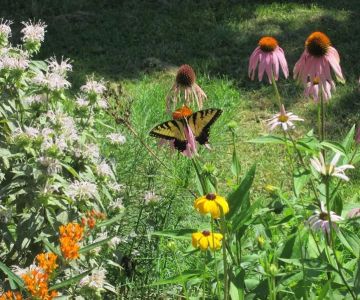
Choose a variety of nectar-rich flowers that bloom at different times of the year. Native species are best because they match the feeding habits of local butterflies. Popular choices include coneflowers, black-eyed Susans, lantanas, milkweed, and zinnias. The bright colors and open blooms make them easy feeding grounds for adult butterflies.
Host Plants
Host plants provide food for caterpillars before they transform into butterflies. Monarch butterflies, for instance, depend exclusively on milkweed. Swallowtails prefer dill, parsley, or fennel. Research which species are native to your area to attract the most local butterfly varieties.
3. Designing Your Butterfly Pathway
A butterfly pathway isn’t just about the plants—it’s about the layout. The goal is to create a continuous corridor of blooms and foliage that guides butterflies through your space. Think of it as designing a natural flight route filled with rest stops and refueling stations.
Structure and Flow
Arrange plants in clusters rather than single rows. This allows butterflies to feed efficiently without having to travel far between blooms. Pathways can wind through your yard or border a fence line—just ensure there’s enough sunlight and minimal wind exposure, as butterflies prefer warm, sheltered spaces.
Layering and Height
Incorporate plants of varying heights to mimic natural meadow conditions. Tall flowers like joe-pye weed and hollyhocks can serve as vertical anchors, while low-growing groundcovers like creeping thyme provide easy access to nectar.
4. Providing Food and Shelter
Beyond flowers, butterflies need safe spots to rest, bask in the sun, and drink. Adding flat stones or stepping areas gives them places to warm their wings in the morning. Mud puddles or shallow water dishes provide essential minerals and hydration—often referred to as “puddling spots.”
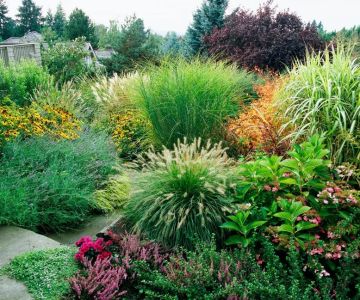
Dense shrubs or ornamental grasses offer shelter from predators and harsh weather. Avoid using pesticides, as even small amounts can harm larvae and adult butterflies. Instead, embrace natural pest control methods, such as encouraging ladybugs or installing small birdhouses to balance your garden’s ecosystem.
5. Creating Safe Spaces for Butterflies
Butterflies are sensitive to chemicals, temperature changes, and lack of habitat. To protect them, focus on creating an environment that’s as natural as possible. Use organic fertilizers and mulch to enrich soil, and plant dense shrubs along garden edges to shield butterflies from strong winds.
Another tip is to plant flowers in sunny areas. Butterflies are cold-blooded and need warmth to fly. Incorporating large flat stones in your design gives them ideal sunbathing spots where they can absorb heat before taking off again.
6. Real-Life Garden Inspiration
In Austin, Texas, a homeowner transformed her backyard into a certified butterfly sanctuary after planting native milkweed, verbena, and salvia. Within months, monarchs began visiting daily, and soon caterpillars appeared along the fence line. Similarly, a school in North Carolina created a “butterfly corridor” along its playground, teaching children about pollination and the importance of native species.
These examples show that butterfly pathways aren’t just decorative—they’re a meaningful way to connect people and nature. Whether urban or rural, large or small, any garden can play a role in preserving pollinators.
7. Enhance Your Landscape with Beautiful Landscapes
If you’re ready to create a butterfly-friendly garden but don’t know where to start, Beautiful Landscapes offers expert advice and curated tools to help. From plant selection guides to professional landscape design services, you’ll find everything you need to bring your butterfly pathway to life.
By combining beauty with purpose, you can turn your garden into a sanctuary that supports local wildlife while enhancing your outdoor living experience. Visit Beautiful Landscapes for expert recommendations and products designed to make your garden bloom with life.



 GP Tree Service and Landscaping5.0 (8 reviews)
 Brose Lawn And Landscaping5.0 (4 reviews)
 Landscaping Lawn Maintenance Plus, Inc.5.0 (34 reviews)
 Walmart Patio & Garden Services5.0 (1 reviews)
 Lumin8 Outdoor4.0 (51 reviews)
 Bright's Septic & Sewer Trevis And Brandi4.0 (66 reviews)
 How to Landscape With Fragrant Plants for a Pleasant Garden
 How to Protect Plants During Heat Waves
 How to Choose Mulch Based on Soil Type
 How to Turn a Sloped Yard Into a Usable Outdoor Space
 How to Plan Outdoor Fire & Water Features Harmoniously for Your Garden
 How to Use Companion Planting to Reduce Pests