
1. The Importance of Water Conservation in Landscaping
In today’s world, water conservation has become a top priority, especially in areas prone to droughts. Landscaping with water-saving plants and mulches is not only environmentally responsible but also practical for homeowners looking to reduce water usage. Whether you’re designing a new garden or transforming an existing one, water-efficient landscaping offers numerous benefits, including reduced water bills and a healthier, more sustainable garden.
2. Benefits of Using Water-Saving Plants
Water-saving plants, also known as drought-tolerant plants, are specially selected to thrive with minimal water. These plants are often native to dry regions, making them well-suited for landscaping in water-scarce areas. Let’s explore some of the key advantages of using water-saving plants in your garden:

2.1. Reduced Water Usage
One of the most obvious benefits of water-saving plants is their ability to significantly reduce water consumption. These plants require less frequent watering, which helps conserve water and reduce overall water usage. By incorporating them into your landscape design, you can create a beautiful garden that’s both low-maintenance and eco-friendly.
2.2. Lower Maintenance
Because water-saving plants are adapted to dry conditions, they typically require less maintenance than more water-hungry plants. They are naturally more resistant to pests, diseases, and environmental stressors, which means you’ll spend less time and money on upkeep.
2.3. Aesthetic Appeal
Water-saving plants can also add beauty to your landscape. Many drought-tolerant plants have unique textures, colors, and shapes that enhance the visual appeal of your garden. From succulents to native grasses, these plants create a stunning, low-water garden that can be just as vibrant as traditional landscapes.
3. Choosing the Right Water-Saving Plants
When selecting water-saving plants for your garden, it’s essential to choose varieties that are suited to your local climate and soil conditions. Here are some popular options to consider:
3.1. Succulents
Succulents, such as agave, aloe vera, and sedum, are iconic water-saving plants known for their fleshy leaves that store water. These plants are perfect for dry gardens and can be used as ground covers, borders, or accent plants.
3.2. Native Plants
Native plants are an excellent choice for water-efficient landscaping because they are adapted to the local environment. Native species require less water and are better equipped to handle local weather conditions. Research the native plants in your area to see which ones will thrive in your garden.
3.3. Drought-Tolerant Grasses
Grasses like blue fescue, buffalo grass, and ryegrass are perfect for low-water gardens. These grasses add texture and movement to your landscape while using minimal water.
4. The Role of Mulch in Water Conservation
Mulch plays a crucial role in water-saving garden design. When applied correctly, it helps retain moisture in the soil, reduce evaporation, and regulate soil temperature. Let’s explore the different types of mulches and their benefits:
4.1. Organic Mulch
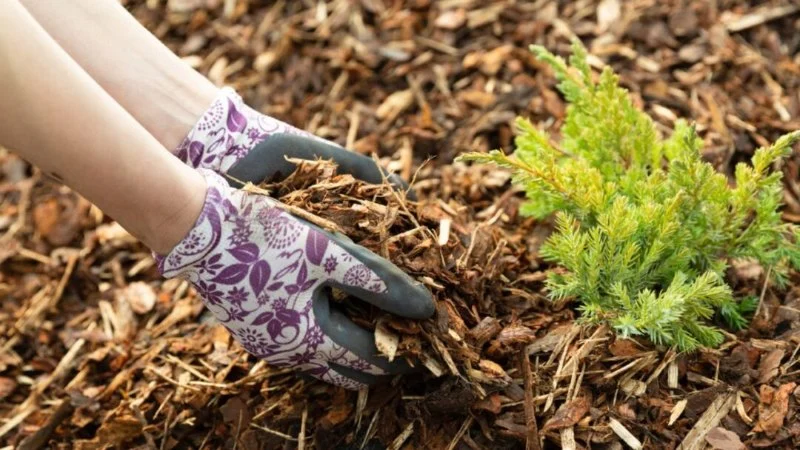
Organic mulches, such as wood chips, straw, or compost, are great for retaining moisture and enriching the soil as they break down. They also help suppress weeds and create a natural, aesthetic look in the garden. As organic mulches decompose, they improve soil structure and fertility.
4.2. Inorganic Mulch
Inorganic mulches, like gravel or rubber, are durable and long-lasting. They provide excellent water retention but don’t add nutrients to the soil like organic mulches do. Inorganic mulch is ideal for areas where you want minimal maintenance, but it’s best to use it alongside other methods of improving soil quality.
4.3. How to Apply Mulch
To maximize the benefits of mulch, apply it in a thick layer—usually about 2 to 3 inches deep—around the base of plants, trees, and shrubs. Be sure to keep the mulch a few inches away from plant stems or tree trunks to avoid moisture buildup and potential rot. Mulching is especially effective during hot months, as it helps to reduce the need for frequent watering.
5. Combining Water-Saving Plants and Mulches for Maximum Efficiency
The key to a successful water-efficient garden lies in combining water-saving plants with the strategic use of mulches. By using drought-tolerant plants and mulches together, you can create a garden that requires minimal water while still being lush and vibrant.
5.1. Plan Your Garden Layout
When designing your garden, group plants with similar water needs together. This ensures that you’re not overwatering drought-tolerant plants or under-watering those that require more moisture. Use mulch around water-hungry plants to keep the soil moist, and place drought-tolerant plants where water retention is less necessary.
5.2. Consider the Climate
Take into account your local climate when selecting plants and mulches. For example, areas with high rainfall may require less water-saving measures, while regions experiencing droughts will benefit from more aggressive water-conservation strategies. Local gardening centers can be a great resource for selecting plants and mulches that are best suited for your area.
5.3. Use Mulch to Enhance Plant Growth
In addition to retaining moisture, mulch helps improve plant growth by providing nutrients and enhancing soil structure. By keeping the soil moist and reducing evaporation, mulches give plants the best chance to thrive, especially in dry conditions.
6. Real-Life Example: A Water-Saving Garden Design
Take the example of a homeowner in Arizona who wanted to create a beautiful and sustainable garden that required minimal water. They chose drought-tolerant plants such as agave and lavender and used a combination of wood chip mulch and gravel to retain moisture. The result was a low-maintenance garden that not only survived the harsh desert conditions but also flourished throughout the year. By planning carefully and choosing the right plants and mulches, they reduced their water usage while enhancing the visual appeal of their property.
7. Conclusion: Creating a Sustainable Garden with Water-Saving Plants and Mulches
Designing a water-efficient garden doesn’t have to be difficult. By selecting water-saving plants, using the right type of mulch, and implementing thoughtful design techniques, you can create a stunning and sustainable outdoor space. These practices help conserve water, reduce maintenance, and support a healthier environment. For more tips on creating a sustainable garden, visit Beautiful Landscapes for expert advice and the best products for your landscaping needs.

 Thomas Lawn & Landscape4.0 (29 reviews)
 Mattawan Landscaping Supply4.0 (112 reviews)
 ALS Outdoor Solutions4.0 (6 reviews)
 Walmart Patio & Garden Services0.0 (0 reviews)
 Lawn Barbers0.0 (0 reviews)
 Wilco Rental, INC.4.0 (51 reviews)
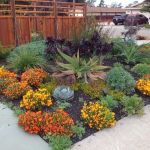 Best Native Plants for Drought-Tolerant Landscaping: A Guide for Sustainable Gardening
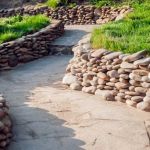 How to Landscape in Rocky or Stony Soil
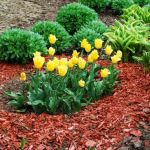 How to Choose the Right Mulch for Effective Weed Suppression
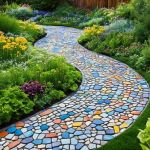 How to Build a Stone Pathway With a Natural Flow
 How to Plan a Backyard for Entertaining Large Groups
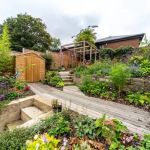 How to Create Multi-Level Garden Zones With Purpose