
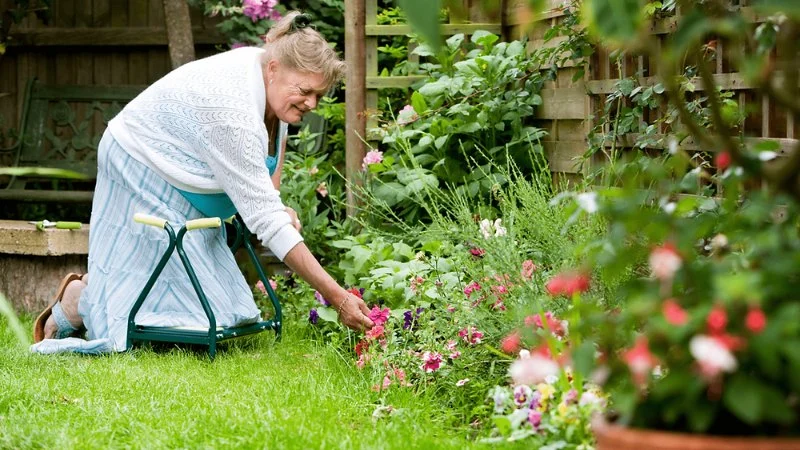
1. Why Back Pain is Common in Gardening
Gardening is a rewarding and relaxing hobby, but it can also lead to back pain if you're not careful. When you're bending, kneeling, or lifting, it puts strain on your back muscles, especially if done improperly. Tasks like planting, weeding, or mulching often require repetitive motions that can cause discomfort over time. Many gardeners find themselves dealing with aches and pains, particularly in the lower back. Understanding the cause of this pain is the first step toward preventing it, and with the right techniques, you can enjoy gardening without risking your back health.

2. Strategies to Prevent Back Pain in the Garden
There are several simple strategies you can adopt to protect your back while working in the garden. By adjusting your posture, modifying your techniques, and using the right tools, you can minimize the risk of injury and make gardening more comfortable.

2.1 Maintain Proper Posture
One of the main causes of back pain in gardening is poor posture. When you bend over too much or hunch your back, it puts unnecessary pressure on your spine. Instead, try to keep your back straight and bend from your knees, not your waist. This will protect your lower back while reducing strain. Additionally, when working close to the ground, consider kneeling or using a garden bench to avoid bending too much.
2.2 Take Frequent Breaks
Gardening can be physically demanding, so it’s important to take regular breaks to avoid overworking your muscles. Every 20-30 minutes, stand up, stretch, and walk around for a few minutes. This helps to relieve pressure on your back and keeps your muscles from becoming stiff or fatigued.
2.3 Use Raised Garden Beds
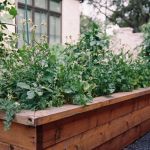
If bending or kneeling is difficult, consider using raised garden beds. These beds elevate the plants, making it easier to tend to them without bending over. Raised beds not only reduce strain on your back but also provide better drainage and easier access to your plants. They're an excellent solution for those with back issues or limited mobility.
3. Ergonomic Tools for Gardening
Using the right tools is essential when it comes to maintaining your garden without hurting your back. Ergonomic garden tools are designed to reduce strain on your body and make gardening more comfortable. Here are some tools to consider:
3.1 Long-Handled Tools
Tools like shovels, hoes, and rakes with long handles allow you to stand upright while working, which reduces the need to bend over. This simple adjustment can make a huge difference in preventing back pain, as it keeps your spine in a more natural position.
3.2 Garden Kneelers
For tasks that require kneeling, a garden kneeler can provide added support and cushioning. These kneeling pads or benches can help protect your knees and back while you’re working at ground level. Some garden kneelers also have handles that allow you to push yourself up more easily, reducing the strain on your back when standing up.
3.3 Lightweight Tools
Heavy tools can cause unnecessary strain on your body. Choose lightweight versions of tools to reduce the effort required when gardening. Additionally, look for tools with padded grips to improve comfort and reduce the pressure on your hands and wrists.
4. How to Garden Without Straining Your Back
Aside from using ergonomic tools, there are several techniques you can employ to garden without straining your back. Here’s how to make your gardening routine more back-friendly:
4.1 Work at Comfortable Heights
If you’re planting or weeding, try to work at a height that doesn’t require bending. You can place your plants on a table or use a potting bench to raise them to a comfortable level. This way, you can work while standing or sitting upright, preventing strain on your back.
4.2 Use a Wheelbarrow for Heavy Lifting
For tasks like moving soil or mulch, use a wheelbarrow instead of carrying heavy loads. Lifting with your legs and pushing a wheelbarrow will reduce the strain on your back compared to lifting and carrying heavy items by hand.
4.3 Avoid Twisting Movements
Twisting your back can lead to discomfort and injury. When working in the garden, try to avoid twisting motions. Instead, pivot with your feet to turn, keeping your back straight. This minimizes the strain on your spine and helps maintain better posture.
5. Real-Life Experience with Back Pain and Gardening
Many gardeners face the challenge of back pain, but with the right approach, it’s possible to continue gardening without discomfort. Here’s a real-life example:
5.1 Sarah’s Gardening Transformation
Sarah, a long-time gardening enthusiast, began experiencing severe back pain after spending hours working in her flower beds. She decided to make a few changes to her gardening routine. By incorporating raised garden beds, using long-handled tools, and taking more breaks, Sarah was able to continue gardening without pain. She also added a garden kneeler to make planting easier on her knees. Over time, Sarah’s back pain improved, and she was able to enjoy her garden again without worrying about strain or discomfort.
6. Recommendations for Comfortable Gardening
If you’re looking to enjoy gardening without back pain, there are several tips and products that can help. At Beautiful Landscapes, we offer a wide selection of ergonomic tools and accessories designed to make your gardening experience more comfortable. From raised garden beds to long-handled tools and kneeling benches, our products are designed to reduce strain on your back and make gardening easier and more enjoyable. Visit our store to find the best gardening solutions for a pain-free experience.





 Ivy Rose Lawns0.0 (0 reviews)
 Cortez Lawn Care4.0 (45 reviews)
 Lawn Care of Indiana5.0 (34 reviews)
 Evergreen Enterprise Nursery & Landscape5.0 (14 reviews)
 Cedar River Lawn Care5.0 (1 reviews)
 Walmart Patio & Garden Services0.0 (0 reviews)
 How to Reduce Your Landscape’s Water Usage by 30%
 Xeriscaping 101: Save Water & Create a Beautiful Yard
 How to Maintain Garden Beds Without Back Pain
 How to Use Garden Art to Add Personality to Your Outdoor Space
 How to Create a Healthy Lawn in Hot, Dry Summer
 How to Use Planters to Extend Planting Zones and Grow More Plants