
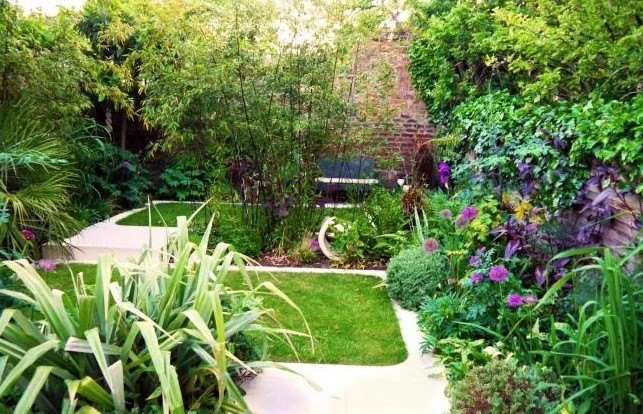
- 1 - Understanding Garden Zones
- 2 - Assessing Your Garden Space
- 3 - Designing Functional Garden Zones
- 4 - Incorporating Beauty into Garden Zones
- 5 - Tips for a Balanced Garden
1. Understanding Garden Zones
When planning your garden, it's essential to think beyond just planting flowers and shrubs. One of the key concepts in creating a functional and visually appealing garden is organizing your space into specific zones. Garden zones are areas designed for different purposes, each contributing to the overall function and aesthetic of your garden. Whether it’s a relaxation area, a vegetable garden, or a play space for kids, understanding the concept of garden zones can help you design a garden that works for you and enhances your outdoor experience.

2. Assessing Your Garden Space
Before diving into the design process, it's important to assess your garden space carefully. Take note of the following factors:
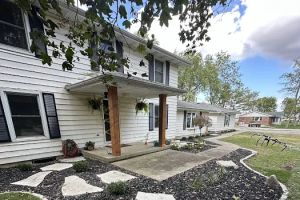
Gino's Landscape Design & Lawn-Care
6434 W North Peotone Rd, Peotone, IL 60468, USA
2.1. Size and Shape of Your Garden
The size and shape of your garden will influence how you divide your space. A small urban garden might benefit from vertical gardening or raised beds, while a larger rural space can accommodate more expansive zones, such as a lawn, flower beds, and a vegetable patch.
2.2. Sunlight and Shade
Different plants require different amounts of sunlight. Understanding where the sun hits your garden throughout the day will help you plan zones for sun-loving plants like tomatoes or herbs and shaded areas for more delicate plants.
2.3. Soil Quality and Drainage
Take time to examine the soil quality and drainage in your garden. Some areas may be ideal for growing flowers, while others may need soil amendments or raised beds to create the best environment for plants.
3. Designing Functional Garden Zones
Once you've assessed your garden space, it's time to think about how to design zones that serve specific functions. Here are some common garden zones to consider:
3.1. The Relaxation Zone
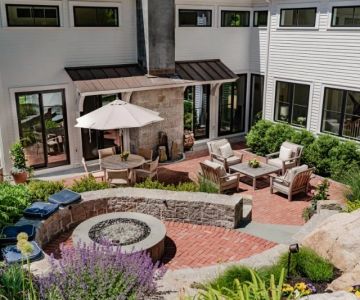
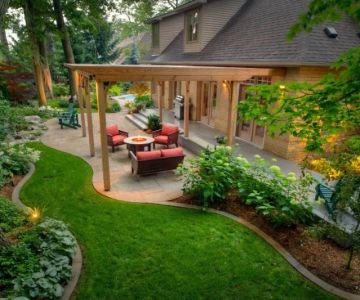
The relaxation zone is where you can unwind and enjoy the beauty of your garden. Whether it’s a cozy patio with seating, a hammock under a tree, or a tranquil water feature, this zone should prioritize comfort and peace. Place it in an area with pleasant views and shade during the hotter parts of the day.
3.2. The Entertainment Zone
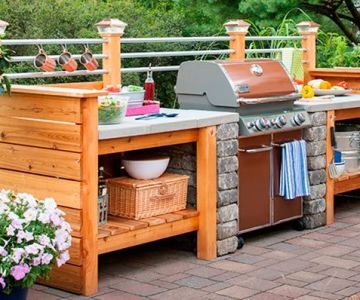
If you enjoy hosting outdoor gatherings, consider creating an entertainment zone. This space might include an outdoor kitchen, a BBQ area, or a dining table. Ensure there’s enough space for guests to gather and enjoy the atmosphere.
3.3. The Vegetable and Herb Garden
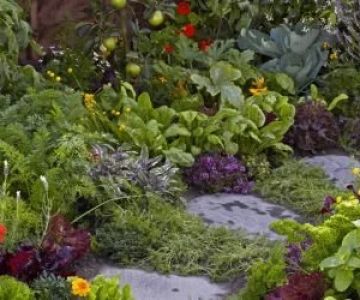
A functional and rewarding garden zone is one dedicated to growing your own vegetables and herbs. Choose a spot that gets ample sunlight and is easily accessible. Raised beds or containers can also help manage space more effectively, especially in small gardens.
4. Incorporating Beauty into Garden Zones
While function is important, beauty is what truly makes a garden enjoyable. Here are some ways to incorporate beauty into your garden zones:
4.1. Create Visual Flow
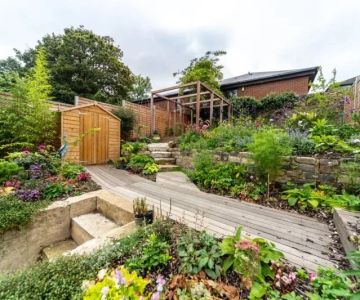
To create a harmonious garden, think about how each zone flows into the next. Use paths, hedges, or low walls to separate different areas, but make sure the transitions are smooth and visually appealing. Consider the color palette of your plants and how they complement each other throughout the seasons.
4.2. Add Focal Points
Focal points, such as statues, fountains, or striking plants, draw attention and add interest to your garden. Position these elements at the heart of key zones to create a sense of unity and beauty.
4.3. Layer Your Plants
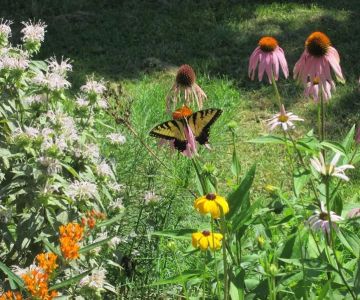
Incorporating layers of plants with different heights and textures adds dimension and depth to your garden. Use taller plants like shrubs or trees for background, and place low-growing plants and flowers in the foreground for a more balanced look.
5. Tips for a Balanced Garden
Designing a garden that balances function and beauty takes time and planning. Here are a few additional tips to ensure your garden achieves both:
5.1. Stick to a Consistent Theme
Whether you prefer a modern, minimalist garden or a lush, cottage-style space, choose a theme that works for your home and personal style. Consistency in materials, colors, and plant choices helps create a cohesive and aesthetically pleasing garden.
5.2. Plan for Seasonal Interest
Don’t just plan for one season. Choose plants that provide beauty throughout the year, from spring flowers to autumn foliage. Evergreens, for instance, can provide structure and greenery year-round.
5.3. Regular Maintenance
A beautiful garden requires care and attention. Regularly prune plants, remove weeds, and replace faded flowers to keep your garden looking fresh and vibrant.
To enhance your garden with high-quality plants, garden tools, and décor, be sure to visit Beautiful Landscapes. We offer a wide selection of products to help bring your garden vision to life, from unique garden statues to premium soil and plants.
 Changing Seasons Landscaping0.0 (0 reviews)
 Naturescene Lawn and Landscape Care4.0 (28 reviews)
 Imperial Lawns5.0 (42 reviews)
 Plant Center Inc4.0 (194 reviews)
 Walmart Patio & Garden Services0.0 (0 reviews)
 A&E Lawn and Tree5.0 (1 reviews)
 Best Ground Covers for Slopes & Erosion Control: Affordable and Effective Solutions
 How Often Should You Aerate Your Lawn?
 How to Plan Vertical & Horizontal Plant Movement
 How to Use Ornamental Grasses as Soft Barriers in Landscaping
 How to Use pH Levels to Optimize Plant Growth
 How to Plan an Entryway Garden That Welcomes Guests