
Effective Landscape Elements for Noise Reduction
- Introduction to Noise Reduction through Landscaping
- Role of Plants and Trees in Noise Reduction
- Designing the Right Landscape for Maximum Noise Control
- Additional Tips for Enhancing Noise Reduction
- Beautiful Landscapes: Your Source for Effective Landscaping Solutions
Introduction to Noise Reduction through Landscaping
In urban environments, noise pollution is a growing issue, affecting people's health and well-being. Landscape design plays a key role in reducing noise, creating a quieter, more peaceful environment. By carefully selecting plants, trees, and other landscape elements, you can create natural sound barriers that absorb, deflect, or block noise.

The Growing Need for Noise Reduction
With the increasing urbanization and noise from roads, traffic, and neighboring properties, people are seeking effective ways to minimize noise disruptions in their homes and outdoor spaces. Landscaping offers a sustainable and aesthetic solution that blends nature with functionality, contributing to a more serene environment.
Role of Plants and Trees in Noise Reduction
Plants and trees are among the most effective elements for noise reduction in landscaping. They absorb sound, create visual barriers, and disrupt sound waves traveling through the air. The effectiveness of these elements depends on their size, density, and placement in the landscape.
1. Trees as Sound Barriers
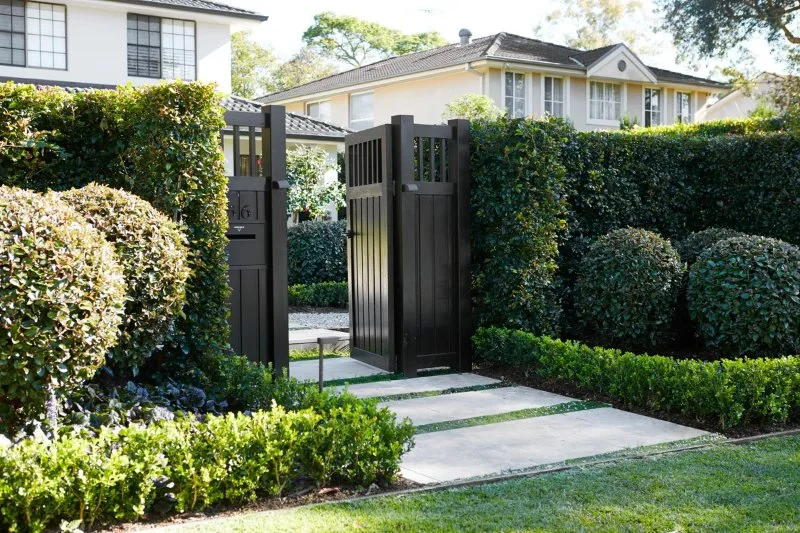
Trees are natural sound barriers, especially those with thick foliage. Trees with dense canopies, such as evergreens, offer year-round noise reduction, even during the winter months. They block sound from both direct sources, like traffic, and from reflected noise. By planting a row of trees strategically, you can create a green wall that absorbs and deflects sound waves effectively.
2. Plants and Shrubs
Smaller plants, bushes, and shrubs also contribute to noise reduction. While they may not block as much sound as trees, their dense growth can still help reduce noise in certain areas. For example, a well-placed hedge or a row of shrubs along a property boundary can help filter out lower levels of noise from nearby streets or neighbors.
3. Ground Covers and Perennials
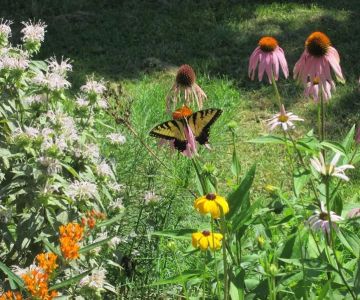
Low-growing ground covers and perennials can help reduce noise by filling in spaces and providing additional layers of sound absorption. Dense plantings close to the ground can absorb sound waves that would otherwise bounce off hard surfaces like concrete or asphalt, minimizing sound reflection.
Designing the Right Landscape for Maximum Noise Control
Creating an effective noise-reducing landscape requires a thoughtful design that integrates various elements to work in harmony. Below are some essential tips for designing a landscape that will help reduce unwanted noise.
1. Consider Location and Placement
The placement of noise-reducing plants and structures is crucial. Position dense plantings and trees along the boundaries of your property or areas most exposed to noise, such as near roads or highways. A combination of layers, such as trees followed by shrubs and ground cover, creates a multi-dimensional sound barrier.
2. Incorporate Hardscape Elements
While soft elements like plants and trees are important, hardscape features like fences, walls, and water features can enhance the noise-reducing effect. Solid fences or walls made of materials like wood, stone, or brick can block sound waves. Adding a water feature, such as a fountain, can help mask unwanted sounds, creating a soothing auditory experience in addition to reducing noise.
3. Use Reflective and Absorptive Materials
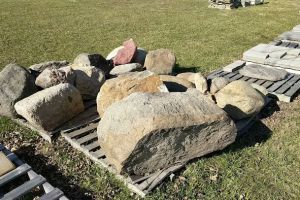
The materials used in your landscape design also matter. Reflective surfaces, such as concrete or metal, can amplify noise, while absorptive materials, like mulch, gravel, and dense vegetation, help absorb sound. Incorporate these materials thoughtfully to balance sound reflection and absorption.
Additional Tips for Enhancing Noise Reduction
Beyond selecting plants and hardscaping elements, here are some additional strategies to further reduce noise levels in your landscape:
1. Utilize Raised Beds
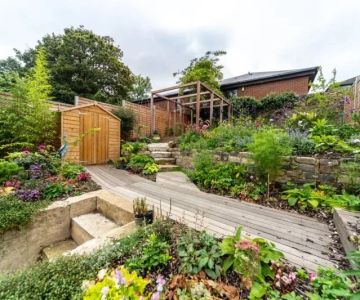
Raised beds filled with soil, plants, and shrubs create barriers that can absorb and deflect sound. They also offer a visual distraction from nearby noise sources, improving the overall aesthetic of the space while enhancing its function as a noise barrier.
2. Create a Dense Green Buffer Zone
To enhance soundproofing, design a dense green buffer zone around your outdoor spaces. A variety of plants, trees, and shrubs, placed strategically, will act as a barrier that blocks and absorbs noise from outside sources, giving you a quieter environment in which to relax or entertain.
3. Consider Seasonal Changes
When planning for noise reduction, consider how your landscape will change through the seasons. While evergreens provide year-round coverage, deciduous trees may lose their leaves in winter, reducing their sound-blocking ability. Plan accordingly, ensuring your design provides effective noise control throughout the year.
Beautiful Landscapes: Your Source for Effective Landscaping Solutions
For expert guidance and high-quality products to design your noise-reducing landscape, visit Beautiful Landscapes. Our selection of plants, trees, and landscaping materials can help you create the perfect environment that combines aesthetic beauty with practical noise reduction. From soundproofing solutions to expert design advice, we are here to help you create a peaceful, noise-free outdoor space.



 Brown Enterprises Landscaping4.0 (10 reviews)
 Cory's Landscaping and Design, LLC1.0 (1 reviews)
 Coulee Region Landscape & Design LLC5.0 (8 reviews)
 Amelon Lawn Care LLC5.0 (3 reviews)
 Ewing Landscape LLC3.0 (2 reviews)
 Madison Green Team4.0 (26 reviews)
 How to Shield Plants From Strong Winds in Your Yard
 How to Choose Outdoor Furniture That Complements Landscape
 How to Reduce Maintenance with Smart Plant Grouping
 How to Plan a Garden for Succession Blooming
 How to Plan an Entryway Garden That Welcomes Guests
 How to Build Garden Steps That Look Natural