
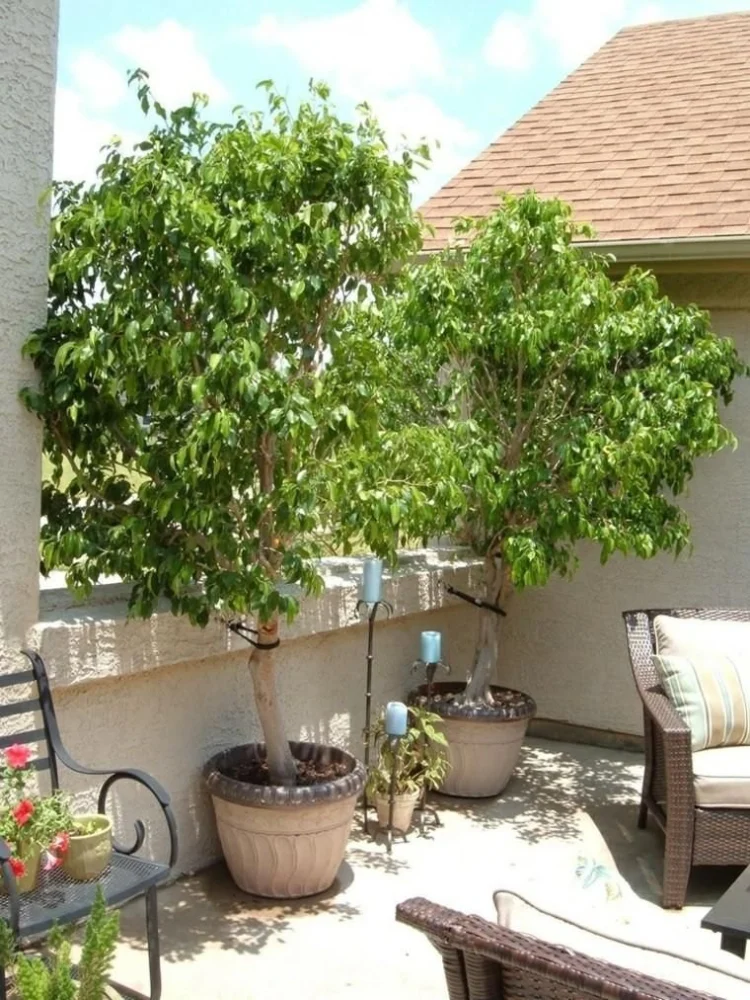
- Using Potted Trees to Frame Entrances
- Choosing the Right Potted Trees for Patios
- Design Tips for Framing with Potted Trees
- Real-World Examples of Potted Tree Use
- Where to Find Potted Trees for Your Home
1. Using Potted Trees to Frame Entrances
Framing an entrance with potted trees is an excellent way to add elegance and a welcoming feel to your home. Whether it's the front door or a gate, the right potted trees can create an inviting focal point. Not only do potted trees provide structure, but they also introduce greenery that livens up the space.
La Monarca Landscaping Supply, Inc.
South Chicago HeightsCook CountyIllinois
3100 State St, South Chicago Heights, IL 60411, USA
1.1. Why Potted Trees Work Well for Entrances
Potted trees are a versatile and easy way to enhance an entrance. Their height and presence naturally draw attention, creating a sense of arrival. When strategically placed on either side of an entrance, they provide balance and symmetry, which is key to good design. Plus, unlike planted trees, potted trees are movable, so you can change your layout based on seasons or special occasions.
1.2. Types of Trees to Use for Framing Entrances
Choosing the right trees is essential for creating a balanced and harmonious entrance. Popular options for framing entrances include topiary trees like boxwood or small ornamental evergreens like junipers. These trees offer neat, structured shapes that fit well with both modern and traditional homes. Alternatively, flowering trees, like the Japanese maple or magnolia, can bring color and seasonal beauty to the entryway.
2. Choosing the Right Potted Trees for Patios
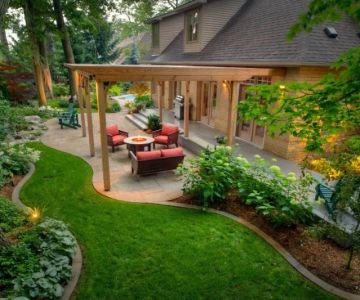
Patios are often a place for relaxation, dining, or entertaining. Using potted trees to frame your patio can elevate the entire outdoor experience. When selecting potted trees for patios, it's important to consider the size of the patio, the overall aesthetic you want to achieve, and the amount of sunlight the area receives.
2.1. Consider the Size and Scale of Your Patio
For larger patios, consider using taller trees like citrus trees or bamboo in large pots. These types of trees can help create an outdoor "room" by offering privacy and adding height. Smaller patios benefit from compact trees like dwarf evergreens or ornamental olives, which still provide a sense of lushness without overcrowding the space.
2.2. Sunlight and Climate Considerations
Ensure the potted trees you select are suited for the sunlight conditions of your patio. For a sunny patio, consider trees like lemon trees or palms, which thrive in bright conditions. On the other hand, if your patio is shaded for most of the day, opt for trees that tolerate low light, such as ferns or Japanese maples. Make sure the trees you choose will also withstand the climate in your region, whether it's hot, cold, or somewhere in between.
3. Design Tips for Framing with Potted Trees
When using potted trees to frame entrances or patios, it's important to keep design principles in mind. Here are a few tips for maximizing the impact of your potted trees:
3.1. Symmetry vs. Asymmetry
Symmetry is a popular choice for framing entrances. Placing two identical trees on either side of the doorway creates a balanced look that’s both formal and visually pleasing. However, asymmetrical designs can also be powerful. For instance, placing a larger tree on one side and a smaller tree or a set of plants on the other can create an interesting focal point and add variety to your design.
3.2. Mixing Tree Sizes and Shapes
To add more visual interest, consider mixing different tree sizes and shapes. Pairing a tall, narrow tree like a columnar evergreen with a broader, bushier tree can add depth and texture to the space. Mixing trees with flowers or contrasting foliage types can also create a vibrant and dynamic atmosphere.
3.3. Adding Other Elements
While potted trees are beautiful on their own, you can further enhance the framing by adding complementary outdoor elements such as lanterns, hanging lights, or decorative planters. These elements can make your entrance or patio feel more inviting and well-designed.
4. Real-World Examples of Potted Tree Use
There are countless real-world examples of how potted trees can frame entrances and patios. For instance, many high-end hotels and resorts use potted trees like olive trees or palm trees to frame their outdoor lounges and dining areas. Similarly, residential homes often use potted evergreens on their front porches for a timeless, welcoming look.
4.1. Case Study: Potted Trees in a Luxury Patio
A luxury patio in California uses large terracotta pots to house several potted palm trees, creating an elegant outdoor seating area. The towering palms frame the patio space, providing shade while adding a tropical ambiance. Smaller potted plants like lavender and rosemary are placed along the patio's edges to add fragrance and color.
4.2. Case Study: Framing a Modern Home’s Entrance
A modern home in New York City uses two large potted boxwood trees to frame the front door, adding a sense of formality. The neat, sculpted shape of the boxwoods contrasts beautifully with the clean lines of the home’s architecture. This simple but effective design creates an inviting entrance while maintaining a minimalist aesthetic.
5. Where to Find Potted Trees for Your Home
If you're looking to add potted trees to frame your entrances or patios, there are plenty of places to find quality trees and pots. Many local nurseries carry a variety of options, from small ornamental trees to larger, more mature plants. Online stores like Beautiful Landscapes offer a wide selection of potted trees and stylish planters to suit your outdoor design needs. When purchasing, be sure to check the plant’s care requirements to ensure it will thrive in your outdoor space.
By incorporating the right potted trees into your landscape design, you can create a welcoming and stylish outdoor space that adds beauty and functionality to your home.


 Talbert Hardscapes5.0 (2 reviews)
 H&L Lawncare and Landscaping LLC5.0 (5 reviews)
 Lines Landscaping LLC4.0 (38 reviews)
 Techo-Bloc Midwest4.0 (22 reviews)
 Art & Sons Excavating llc4.0 (7 reviews)
 STUDIO TWO | ARCHITECTURE0.0 (0 reviews)
 How to Prevent Soil Erosion Naturally Without Retaining Walls
 How to Use Companion Planting to Reduce Pests
 How to Plan Outdoor Fire & Water Features Harmoniously for Your Garden
 How to Plan for Emergency Drought in Landscaping
 How to Use Layers of Planting to Create Depth and Balance in Your Garden
 How to Create a Front Walk That Makes a Great First Impression