
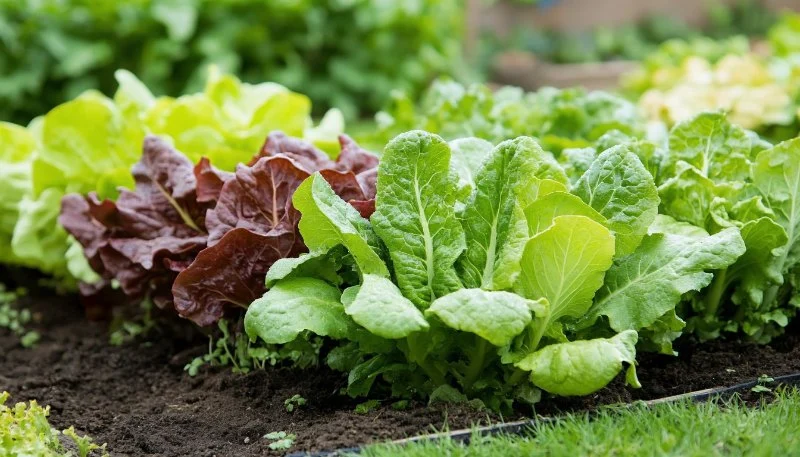
- Understanding Companion Planting
- How Companion Planting Helps Reduce Pests
- Best Companion Plants for Reducing Pests
- Tips for Successful Companion Planting
- Real-Life Gardening Success Stories
Understanding Companion Planting
Companion planting is the practice of planting different types of plants close to each other to benefit one or both plants. While many gardeners focus on companion planting to improve growth or flavor, another key advantage is its ability to naturally reduce pests. By choosing the right companion plants, you can create a more resilient, healthy garden that requires less intervention from synthetic pesticides.
In this article, we'll explore how companion planting can help reduce pests, and how you can use it effectively in your garden.

How Companion Planting Helps Reduce Pests
Companion plants act as natural repellents for pests, attracting beneficial insects or masking the scent of more vulnerable plants. There are several ways companion planting reduces pest problems:
- Repellent Plants: Certain plants, such as marigolds, basil, and garlic, are known to repel common pests like aphids, mosquitoes, and even rabbits. By planting these near susceptible crops, you create a barrier that reduces pest invasions.
- Attracting Beneficial Insects: Flowers like daisies and sunflowers attract pollinators and beneficial insects, such as ladybugs, which feed on aphids. This creates a natural ecosystem where pests are kept in check without the need for harmful chemicals.
- Confusing or Disguising Plants: Some plants confuse pests by masking the scent of a vulnerable plant. For example, planting aromatic herbs like thyme and rosemary next to cabbage can make it harder for cabbage worms to locate the plants.
- Improved Plant Health: Healthy plants are better at resisting pests and diseases. By using companion plants that improve soil health or boost plant immunity, you can create an environment where pests are less likely to thrive.
Best Companion Plants for Reducing Pests
To successfully use companion planting for pest control, it's important to choose plants that work well together. Here are some of the most effective companion plants for reducing pests in your garden:
- Marigolds: Known for their ability to repel nematodes, aphids, and other pests, marigolds are often used to protect vegetables like tomatoes, peppers, and eggplants. Their strong scent confuses pests and keeps them away.
- Basil: This herb is excellent for keeping mosquitoes, flies, and even some beetles at bay. It pairs well with tomatoes, as it improves their flavor while also deterring pests.
- Garlic and Onions: These plants are natural repellents for aphids, whiteflies, and spider mites. Plant them near your tomatoes, lettuce, or roses to keep pests away.
- Nasturtiums: Nasturtiums act as a trap crop, attracting aphids and other pests away from your valuable plants. They also attract pollinators, making them a great addition to any garden.
- Chives: Chives are great for deterring pests like aphids and slugs, especially when planted near carrots, beets, or lettuce.
Tips for Successful Companion Planting
To get the most out of your companion planting efforts, follow these tips:
- Plan Your Garden Layout: Research which plants grow well together and which should be kept apart. Some plants don’t mix well and may hinder each other's growth.
- Use Companion Plants as Natural Barriers: Place repellent plants around the perimeter of your garden or between rows of crops to create a natural barrier against pests.
- Rotate Crops: Rotate your companion plants each year to help prevent pests from building up in the soil and to keep your plants healthy.
- Maintain Soil Health: Healthy, nutrient-rich soil helps plants grow strong and resilient to pests. Use organic matter, compost, and mulch to improve your soil quality.
Real-Life Gardening Success Stories
Many gardeners have successfully used companion planting to combat pests. One gardener in California shared their success story of using marigolds and basil to protect their tomato plants from aphids. They planted the marigolds around the perimeter of their garden and basil directly next to the tomatoes. By the end of the season, they noticed a significant reduction in aphid infestations, and the tomatoes were healthier than ever.
Another gardener in Oregon shared their experience with using garlic and onions to keep pests away from their roses. By planting garlic near the base of the roses, they successfully repelled aphids and other pests while boosting the health of the plants.
If you’re looking to create a more eco-friendly, pest-resistant garden, consider implementing companion planting as part of your strategy. By choosing the right companion plants and following the tips above, you can significantly reduce pests in your garden without resorting to harmful chemicals. Visit Beautiful Landscapes to explore more resources and products for your garden!



 M&S Lawn and Landscape5.0 (1 reviews)
 Platinum Deck and Patio5.0 (67 reviews)
 Poison Ivy Control of Indiana5.0 (2 reviews)
 B & J Tree & Landscape Service4.0 (24 reviews)
 A-1 Landscaping and Pavers, LLC4.0 (45 reviews)
 Lewis Affordable Landscaping LLC5.0 (7 reviews)
 How to Use Drip Irrigation to Save Water Effectively
 How to Landscape With Textured Leaves for Visual Interest
 How to Design With Water-Saving Plants and Mulches
 How to Use Structural Plants for Yearly Framework
 How to Grow a Native Plant Garden with Minimal Care – Expert Tips
 Best Ways to Stage Your Front Yard for Curb Appeal