
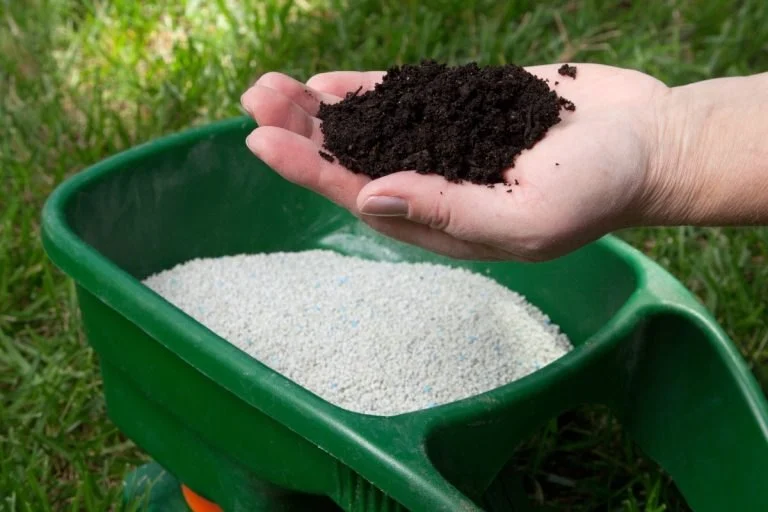
How Often Should You Fertilize Your Lawn?
- Importance of Fertilizing Your Lawn
- Optimal Fertilization Schedule
- Choosing the Right Fertilizer
- Seasonal Considerations for Lawn Fertilization
- Tips for Maintaining a Healthy Lawn
1. Importance of Fertilizing Your Lawn
Fertilizing your lawn is essential for promoting healthy grass growth. Proper fertilization provides the nutrients that your lawn needs to thrive, including nitrogen, phosphorus, and potassium. These nutrients support healthy root development, improve drought resistance, and enhance the lawn's ability to recover from wear and tear.
Without regular fertilization, your lawn may become weak, patchy, or prone to diseases. A well-maintained lawn not only enhances your property's curb appeal but also helps protect the environment by reducing soil erosion and improving air quality.

2. Optimal Fertilization Schedule
The frequency with which you fertilize your lawn depends on several factors, including the type of grass you have, your location, and the climate. However, here are general guidelines to follow for optimal lawn fertilization:
- Cool-Season Grasses: For cool-season grasses like Kentucky bluegrass and fescue, fertilize in early spring and again in fall. These grasses grow best during the cooler months, so fertilizing at these times supports healthy growth and recovery.
- Warm-Season Grasses: Warm-season grasses like Bermuda and Zoysia should be fertilized during the growing season, typically in late spring or early summer. These grasses thrive in warm temperatures, so applying fertilizer at the right time can help them reach their full potential.
As a general rule, fertilize your lawn about 4 to 6 times per year, with the highest concentration of fertilization occurring in the spring and fall. Always follow the specific guidelines for your grass type and local conditions for the best results.

3. Choosing the Right Fertilizer
Choosing the right fertilizer is crucial for ensuring your lawn gets the nutrients it needs. There are two main types of fertilizers: chemical and organic. Here's a breakdown:
- Chemical Fertilizers: These are quick-release fertilizers that provide immediate nutrients to your lawn. They are effective but need to be applied more frequently. Chemical fertilizers are ideal for lawns with immediate nutrient deficiencies.
- Organic Fertilizers: Organic fertilizers, like compost or manure, release nutrients slowly over time, improving soil health and increasing its ability to retain moisture. They are a great choice for eco-conscious homeowners who prefer a more sustainable lawn care method.
When choosing fertilizer, check the NPK ratio (nitrogen, phosphorus, potassium) on the packaging. For most lawns, a balanced fertilizer with a 3-1-2 or 4-1-2 ratio is ideal for healthy growth.
4. Seasonal Considerations for Lawn Fertilization
Seasonality plays an important role in how often you should fertilize your lawn. The timing of fertilization should align with the natural growth cycle of your grass:
- Spring: Spring is a crucial time for fertilization, especially for cool-season grasses. This is when the grass wakes up from winter dormancy and needs extra nutrients to jumpstart growth. Apply a balanced fertilizer in early spring to help your lawn grow strong and green.
- Summer: If you have warm-season grasses, a summer fertilization will help the lawn thrive during the hot months. Be cautious, however, not to over-fertilize during the peak heat, as this can stress the grass.
- Fall: Fall fertilization is vital for cool-season grasses. Applying fertilizer in late fall strengthens the grass and helps it prepare for winter dormancy. For warm-season grasses, this is the time to apply a lighter, balanced fertilizer to help the grass recover from the summer heat.
5. Tips for Maintaining a Healthy Lawn
In addition to fertilization, regular maintenance is essential for a lush, green lawn. Here are a few tips:
- Mow regularly: Keep your lawn at the recommended height for your grass type. Mowing too short can weaken the grass, while mowing too high can prevent sunlight from reaching the roots.
- Water properly: Ensure your lawn receives deep watering rather than frequent shallow watering. Water your lawn early in the morning to reduce evaporation and ensure the grass gets enough moisture.
- Aerate your lawn: Lawn aeration helps improve soil compaction and allows water and nutrients to penetrate deeper into the roots. Aerate your lawn once or twice a year, especially in areas with heavy foot traffic.
By following these fertilization and maintenance tips, you can ensure that your lawn stays healthy and vibrant throughout the year. For high-quality lawn care products, visit Beautiful Landscapes for expert advice and top-notch services to help you create the perfect lawn.
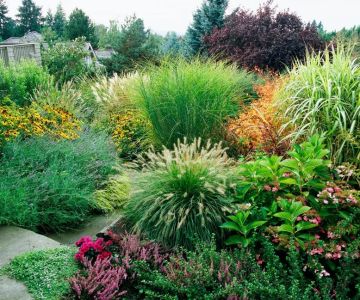





 Day's Garden Center4.0 (66 reviews)
 Iowa City Landscaping & Garden Center4.0 (71 reviews)
 L. Miller Landscaping & Design5.0 (7 reviews)
 Lawnkeepers4.0 (13 reviews)
 Rick's Lawn Mowing4.0 (6 reviews)
 Jeff's Premier Landscaping4.0 (17 reviews)
 How to Choose the Right Plants for Container Combinations: Tips for Beautiful Displays
 How to Landscape Using Modular or Prefabricated Elements
 How to Design a Garden That Ages Gracefully
 How to Incorporate Water Features Without Overpowering Your Landscape
 How to Install a French Drain to Resolve Water Issues | Easy Guide
 How to Build a Stone Pathway With a Natural Flow