
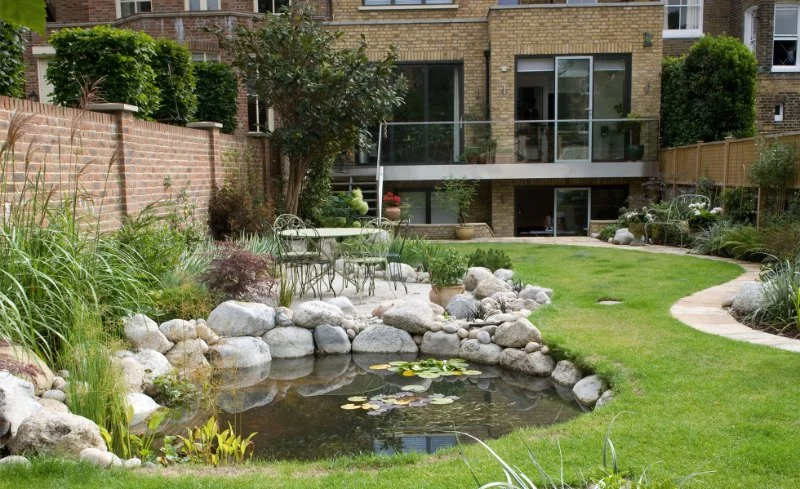
Designing a Garden That Ages Gracefully: A Timeless Approach
A garden is not just a collection of plants; it's a living space that evolves over time. Designing a garden that ages gracefully means creating a space that remains beautiful and functional, even as seasons change and years go by. The goal is to craft a garden that becomes more enchanting and rewarding as it matures.
In this article, we’ll explore how to design a garden that will not only look stunning now but will continue to thrive and improve over time. From selecting the right plants to incorporating sustainable practices, we’ll provide tips to ensure your garden ages gracefully and remains a joy for years to come.
- 1. Understanding How Gardens Age
- 2. Key Elements of a Garden That Ages Gracefully
- 3. Choosing Plants That Thrive Over Time
- 4. Designing a Low-Maintenance Garden
- 5. Real-Life Case Study: A Garden that Ages Gracefully
1. Understanding How Gardens Age
As with any living organism, a garden changes and matures over time. However, the way it ages can be influenced by the design choices you make early on. The right combination of plants, materials, and layout will allow your garden to age gracefully, offering beauty and functionality year after year.
When considering how your garden will age, think about how plants will grow, spread, and evolve. A garden that is designed with longevity in mind will not only look good today but will also improve as plants mature and create layers of interest. Additionally, aging gracefully involves creating a harmonious balance between plants and hardscapes, ensuring that your garden feels balanced and cohesive as it grows.
2. Key Elements of a Garden That Ages Gracefully
Creating a garden that grows older beautifully requires careful planning. Here are the key elements to consider when designing a timeless, aging garden:
2.1 Sustainable Plant Selection
Choosing the right plants is critical when designing a garden that will age gracefully. Select plants that will thrive in your garden’s environment and are suited for the local climate. Native plants often make the best choice because they are well-adapted to local conditions and tend to grow over time, without requiring excessive care.
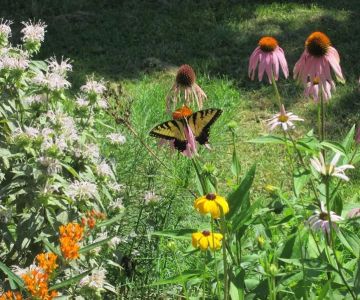
Consider incorporating perennials that come back year after year, providing long-term structure and beauty. Additionally, look for plants that will change with the seasons, offering visual interest throughout the year. Think about how your plants will mature—some plants, like trees and shrubs, will grow larger and provide more shade as time goes on, while others may spread and create natural boundaries or ground cover.
2.2 Layered Planting and Vertical Gardening
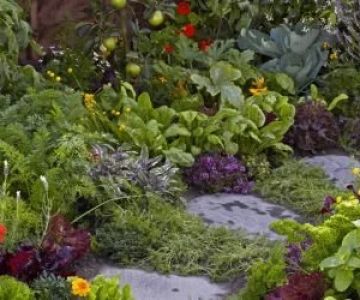
Layering is a technique that allows your garden to evolve as the plants grow taller and fuller over time. Start with a mix of low, medium, and high-growing plants to create a dynamic landscape. This layering effect adds dimension and keeps the garden visually interesting, even as plants mature and change.
Vertical gardening, or incorporating climbing plants and trellises, is another fantastic way to add longevity to your garden design. Over time, climbing vines and flowering plants can grow up structures, creating vertical interest and reducing the need for additional ground space. This allows your garden to thrive in smaller areas while still providing lush coverage and beauty.
2.3 Timeless Hardscapes
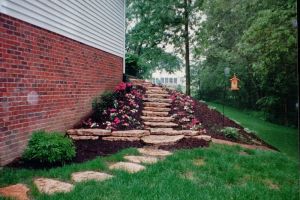
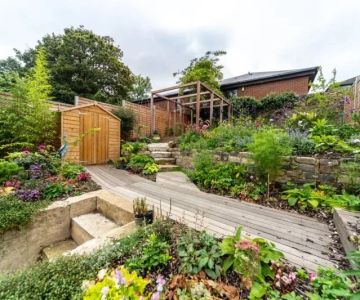
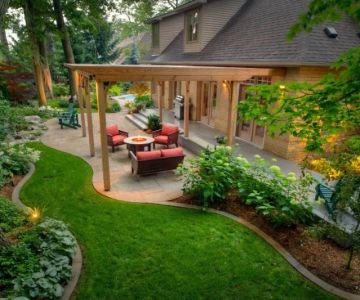
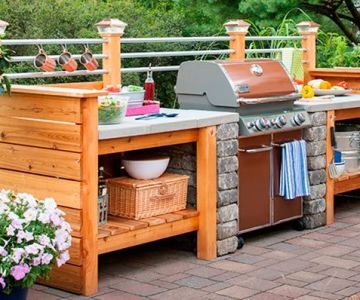
Hardscaping elements, such as paths, patios, fences, and garden furniture, should be designed to complement the aging process of the plants in your garden. Choose materials that will wear well over time and improve with age, such as natural stone, brick, or weathered wood. These materials not only provide a timeless aesthetic but also grow more beautiful with age as they weather naturally.
Ensure that your hardscaping is functional as well as beautiful. Paths and seating areas should allow for ease of movement and access as the garden matures. Over time, the plants in your garden will grow and change, and your hardscaping should remain a constant that continues to complement the evolving landscape.
3. Choosing Plants That Thrive Over Time
When designing a garden that will age gracefully, it's important to choose plants that are well-suited to the long-term climate and growing conditions. Below are some tips for selecting plants that will thrive and improve with time:
3.1 Opt for Native Plants
Native plants are often the best choice for a garden that will age gracefully. These plants are adapted to the local climate and require less water, maintenance, and attention. As native plants mature, they will provide your garden with a sense of place and continuity. Additionally, native plants tend to attract local wildlife, adding another layer of beauty and life to your garden.
3.2 Use Perennials and Ground Covers
Perennials, which return year after year, are an essential element of any garden that ages well. They provide structure and consistency, and as they mature, they can create dense, lush areas of foliage and flowers. Ground covers, such as creeping thyme or ivy, can fill in gaps in your garden over time, helping to suppress weeds and create a natural carpet of greenery.
3.3 Consider Trees and Shrubs for Structure
Incorporating trees and large shrubs into your garden design provides long-term structure and maturity. These plants will grow over time, providing shade, windbreaks, and focal points for your garden. They can also become beautiful specimen plants as they mature, offering height and a sense of permanence to the landscape.
4. Designing a Low-Maintenance Garden
A low-maintenance garden is key to ensuring that your garden ages gracefully without requiring constant attention. Here are some strategies for designing a garden that is easy to maintain over time:
4.1 Choose Drought-Tolerant Plants
One of the best ways to reduce maintenance is by selecting drought-tolerant plants. These plants require less water and are generally more resilient to changing weather patterns. Choosing plants that are adapted to your climate helps ensure that your garden remains low-maintenance while still thriving over the years.
4.2 Mulch and Weed Control
Mulching is a great way to reduce weed growth and retain moisture in the soil. As your garden matures, the mulch will break down, enriching the soil. Regular weeding is essential, but with careful planning and mulch application, you can minimize this effort and enjoy a more manageable garden.
5. Real-Life Case Study: A Garden that Ages Gracefully
Consider the example of the Smith family, who designed their garden 20 years ago with a focus on creating a space that would age gracefully. By choosing hardy perennials and incorporating native plants, their garden has grown and changed with the seasons, providing a beautiful landscape year-round. The trees they planted have matured into towering specimens that offer both shade and beauty, while the climbing vines and perennial flowers continue to bloom year after year. Their garden has become a peaceful sanctuary that only grows more captivating as time passes.
 Legacy Hardscape LLC5.0 (8 reviews)
 Walmart Patio & Garden Services0.0 (0 reviews)
 Walmart Patio & Garden Services0.0 (0 reviews)
 Snider Landscaping5.0 (24 reviews)
 Gabe's Greenworks & landscaping4.0 (20 reviews)
 Midwest Lawn and Property Services LLC5.0 (7 reviews)
 How to Use Planters to Extend Planting Zones and Grow More Plants
 How to Grow Climbing Plants on Pergolas & Trellises
 How to Choose Eco-Friendly Outdoor Flooring Options: Sustainable Choices for Your Garden
 htmlCopy codeHow to Create a Bee-Friendly Yard Without Attracting Pests
 How to Choose Mulch Based on Soil Type
 How to Landscape With Fragrant Plants for a Pleasant Garden