
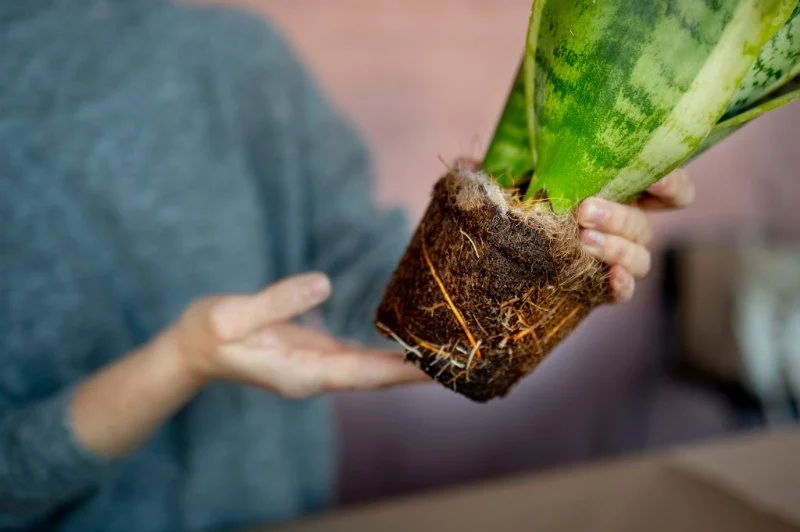
1. Understanding Overwatering and Root Rot
Overwatering is one of the most common mistakes that plant owners make, especially with houseplants. While it’s essential to keep plants hydrated, too much water can lead to serious problems like root rot. Root rot is a condition where the plant’s roots begin to decay due to excessive moisture, poor drainage, and lack of oxygen. Understanding how overwatering occurs and how it affects your plant’s health is the first step toward fixing the problem.
2. Identifying the Signs of Root Rot
Before you can address root rot, it’s important to recognize the signs. These can vary depending on the severity of the issue, but some common symptoms include:
2.1 Wilting Leaves
One of the first signs of root rot is wilting, even though the soil may still be moist. This occurs because the roots are no longer able to absorb enough water and nutrients.
2.2 Yellowing or Browning of Leaves
If your plant’s leaves are turning yellow or brown, it’s another indication that something is wrong. When roots are damaged, they struggle to deliver nutrients to the leaves, leading to discoloration.
2.3 Foul Odor
Root rot often results in a foul, musty odor emanating from the soil. This smell comes from the decaying roots and is a clear sign that your plant is in trouble.
2.4 Soft, Mushy Roots
When you remove the plant from its pot, you may notice that the roots feel soft or mushy. Healthy roots should be firm and white or light tan. If they are blackened, mushy, or smell foul, they are rotting.
3. Steps to Recover From Overwatering and Root Rot
If you’ve noticed these symptoms in your plant, don’t panic! With quick intervention, you can often save your plant. Follow these steps to help your plant recover:
3.1 Remove the Plant from the Pot
Carefully remove the plant from its pot, gently shaking off the soil. Be cautious not to damage the roots further. This will allow you to assess the extent of the root rot and remove the affected areas.
3.2 Trim Away Rotting Roots
Using a clean, sharp pair of scissors or pruning shears, trim away any roots that are black, mushy, or decaying. Be sure to cut back to healthy, firm roots. This step is crucial because it prevents the spread of rot to healthy parts of the plant.
3.3 Disinfect the Pot and Tools
Before replanting, disinfect the pot with a diluted bleach solution or rubbing alcohol. This will help kill any remaining bacteria or fungi that could cause further problems. Also, clean your scissors or shears to avoid spreading the rot.
3.4 Repot the Plant in Fresh, Well-Draining Soil
After trimming the roots and cleaning the pot, it’s time to repot your plant. Use fresh, well-draining soil that will allow water to flow freely through the pot. Make sure the new pot has drainage holes to prevent future water buildup.
3.5 Water Sparingly
After repotting, wait a few days before watering the plant to allow the roots to heal. When you do water, make sure to do so sparingly, ensuring that the soil is completely dry before adding more water. Overwatering after repotting can cause more damage.
4. Preventing Root Rot in the Future
Once you’ve successfully recovered your plant from root rot, the next step is to prevent it from happening again. Here are some tips to keep your plant healthy and thriving:
4.1 Ensure Proper Drainage
Always make sure your pots have proper drainage holes. Water should be able to flow out freely to prevent water from sitting at the bottom of the pot and causing root rot. If the pot does not have drainage, consider repotting the plant into one that does.
4.2 Monitor Watering Habits
Overwatering is the leading cause of root rot, so it’s important to monitor your watering habits. Allow the top few inches of soil to dry out before watering again. Consider using a moisture meter to help gauge when your plant needs water.
4.3 Avoid Watering the Leaves
Watering the leaves of your plant can contribute to moisture buildup around the roots, leading to rot. Focus on watering the base of the plant, and avoid getting water on the leaves unless necessary for specific types of plants.
4.4 Choose the Right Soil
Use soil that is specifically designed for the type of plant you are growing. For instance, cacti and succulents need soil with good drainage, while tropical plants prefer a more moisture-retentive mix. The right soil will help regulate water retention and prevent waterlogging.
5. Conclusion: Taking Care of Your Plants After Root Rot
Root rot can be a serious issue for your plants, but with prompt action and the right care, many plants can recover and thrive. By following the steps above and implementing preventative measures, you can ensure that your plants stay healthy and avoid future problems with overwatering. Remember that the key to healthy plants is balance—water them just right, give them the nutrients they need, and provide a well-drained environment for their roots to grow strong.






 ROGELIO'S LANDSCAPE5.0 (2 reviews)
 Schumacher Landscaping Store4.0 (17 reviews)
 Golden Willow Landscaping Inc.4.0 (31 reviews)
 A Beautiful Landscape4.0 (5 reviews)
 Colonial Classics4.0 (291 reviews)
 Walmart Patio & Garden Services0.0 (0 reviews)
 How to Grow Groundcovers That Replace Traditional Lawns
 How to Choose Mulch Based on Soil Type
 How to Create a Front Walk That Makes a Great First Impression
 How to Create a Landscape That Grows With Your Family
 How to Plan a Backyard That Balances Play and Relaxation
 How to Create a Meditation Space in Your Backyard