
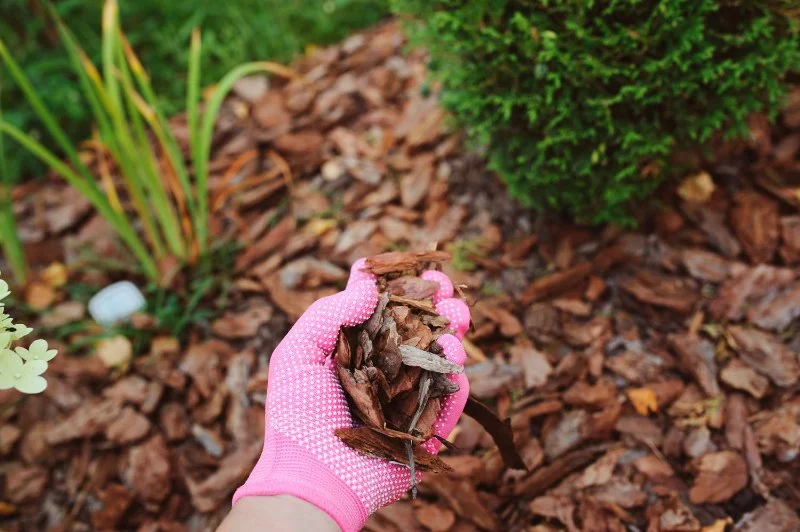
How to Choose Mulch Based on Soil Type
- Understanding the Importance of Choosing the Right Mulch
- Different Soil Types and Their Characteristics
- Choosing Mulch for Clay Soil
- Choosing Mulch for Sandy Soil
- Choosing Mulch for Loamy Soil
- Real-Life Example: How Mulch Improved a Garden
- Final Tips for Choosing Mulch
Understanding the Importance of Choosing the Right Mulch
Mulching is one of the best ways to protect and enhance the health of your garden. It helps retain moisture, suppresses weeds, and improves soil structure. However, the type of mulch you choose can make a significant difference, especially when considering your soil type. The right mulch will work in harmony with your soil, providing the most benefit. This article will guide you through selecting the best mulch based on your soil type, ensuring your garden thrives year-round.
Different Soil Types and Their Characteristics
Before selecting the right mulch, it’s essential to understand your soil type. Different soils have distinct characteristics that affect water retention, drainage, and nutrient availability. Here are the main soil types you might encounter:
1. Clay Soil
Clay soil is dense and compact, often prone to poor drainage. It tends to hold moisture but can become waterlogged, leading to root rot and other issues. While clay soil retains nutrients well, it can be difficult to work with because it dries out in clumps and hardens in dry conditions.
2. Sandy Soil
Sandy soil is loose and drains quickly, but it doesn’t hold onto nutrients or moisture very well. It requires regular watering and fertilizing to keep plants healthy, as it tends to dry out faster than other types of soil. However, it’s easy to work with and ideal for plants that require good drainage.
3. Loamy Soil
Loamy soil is a balanced mixture of sand, silt, and clay, providing good drainage while retaining moisture and nutrients. It’s considered the ideal soil for most plants, as it supports healthy root growth and can be easily amended to suit various plant types.
Choosing Mulch for Clay Soil
When working with clay soil, the goal is to improve drainage and prevent waterlogging. Here’s how to choose the right mulch:
1. Organic Mulch
Organic mulches like wood chips, bark, or straw work well for clay soil because they decompose over time, adding organic matter that improves soil structure. This will help loosen the compacted texture of clay soil, improving drainage and root health.
2. Shredded Leaves
Shredded leaves are an excellent mulch for clay soil. They break down easily, adding valuable nutrients to the soil while helping to retain moisture. Plus, they help prevent soil crusting, allowing water to penetrate more effectively.
3. Avoiding Heavy Mulches
Avoid using heavy, dense mulches like rubber or thick plastic, as they can further compact clay soil and prevent proper water movement. Instead, opt for lightweight, breathable mulches that will allow your soil to "breathe" and support healthy plant growth.
Choosing Mulch for Sandy Soil
Sandy soil drains quickly, so your goal is to retain moisture and nutrients. Here’s the best mulch for sandy soil:
1. Compost and Organic Mulch
Compost is one of the best mulches for sandy soil because it adds nutrients and helps retain moisture. Organic mulches like grass clippings or wood chips also work well. These mulches break down over time, enriching the soil and providing a slow release of nutrients that sandy soil lacks.
2. Pine Needles
Pine needles are a great choice for sandy soil. They provide excellent moisture retention and create an insulating layer that keeps the soil cool in hot weather. They’re also easy to work with and help prevent soil erosion in sandy areas.
3. Mulch Depth
When mulching sandy soil, aim for a thicker layer (about 3-4 inches) to help conserve moisture. Be careful not to pile the mulch too high against plant stems, as this can cause rot.
Choosing Mulch for Loamy Soil
Loamy soil is well-balanced and versatile, so mulch can be used to maintain moisture, control weeds, and keep the soil temperature stable. Here’s how to choose mulch for loamy soil:
1. Versatile Mulch Choices
Loamy soil is ideal for almost any type of mulch. Organic mulches such as shredded bark, wood chips, straw, or leaves will all work well to improve moisture retention and soil health. Choose the mulch based on your aesthetic preferences and availability.
2. Straw or Hay
Straw or hay is particularly effective for vegetable gardens or flower beds. It provides a neat appearance, helps prevent weeds, and retains moisture. It also breaks down quickly, adding organic matter to the loamy soil.
3. Mulch for Aesthetic Purposes
Since loamy soil supports a wide variety of plants, you can also choose mulch that suits the look of your garden. Colored bark, gravel, or decorative stones can be used for aesthetic purposes while still providing the necessary benefits of mulch.
Real-Life Example: How Mulch Improved a Garden
Take the story of Mary, a homeowner who was struggling with clay soil in her backyard garden. She decided to switch to a combination of shredded leaves and wood chips for her mulch. After just one growing season, she noticed a significant improvement in her soil’s drainage and plant health. The mulch helped loosen the compacted clay, allowing her plants’ roots to grow more freely and access water more easily. Mary’s garden became healthier, and she was able to enjoy the fruits of her labor with fewer maintenance concerns.
Final Tips for Choosing Mulch
Choosing the right mulch based on soil type is crucial for a healthy garden. By understanding your soil’s needs and selecting the appropriate mulch, you can improve soil structure, conserve moisture, and promote plant growth. Whether you’re working with clay, sandy, or loamy soil, there’s a mulch that will work best for your needs. For more tips and recommendations on the best mulching products, visit 【Beautiful Landscapes】 and create the perfect environment for your garden.


 Walmart Patio & Garden Services0.0 (0 reviews)
 Peaceful Acres Concrete5.0 (5 reviews)
 Sure-loc Edging4.0 (10 reviews)
 Permanent Curb Appeal LLC5.0 (14 reviews)
 Marek Lawn & Landscape Inc4.0 (18 reviews)
 River Valley Lawn Care1.0 (1 reviews)
 How to Create Visual Flow Between Front and Back Yards
 How to Use Shade Plants Under Trees
 How to Grow a Herb Garden in Your Landscape: A Step-by-Step Guide
 Best Ways to Stage Your Front Yard for Curb Appeal
 How to Design a Garden for Pollinators & Native Species
 How to Use Perennial Borders to Frame Walkways: Tips for Stunning Garden Designs