
- 1-Understanding Shade in Gardens
- 2-Best Shade Plants for Under Trees
- 3-Planting and Maintaining Shade Plants
- 4-Creating a Beautiful Shaded Garden
- 5-Expert Tips for Growing Shade Plants
- 6-Conclusion and Recommendations
1. Understanding Shade in Gardens
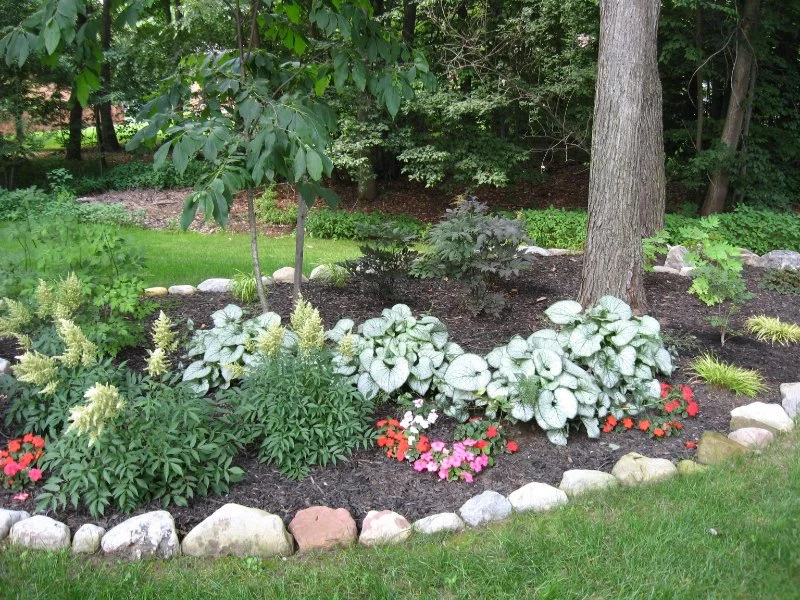
When planning a garden with trees, understanding the type of shade your trees cast is crucial. Not all shade is created equal, and the way light filters through tree branches can significantly affect what plants will thrive beneath them. Shade can be categorized into three types: dense shade, partial shade, and dappled shade. Each type of shade presents different challenges and opportunities for plant growth.
Dense shade, such as that found beneath thick tree canopies, can be particularly challenging. However, many plants thrive in these low-light conditions, offering vibrant greenery or beautiful flowers even in the darkest corners of your garden.

2. Best Shade Plants for Under Trees
When selecting shade plants for areas beneath trees, it’s important to choose varieties that can tolerate low light conditions while also adapting to the dry soil often found in the root zones of trees. Here are some of the best shade plants for these challenging spots:
- Hostas - Known for their large, lush leaves, hostas are perfect for shaded areas. They come in a variety of colors and sizes, making them versatile in any garden setting.
- Ferns - Ferns, especially varieties like the Lady Fern or Japanese Painted Fern, thrive in moist, shaded environments and add texture to your landscape.
- Astilbe - These plants bloom with feathery, vibrant flowers that bring a burst of color to shaded spaces. They also do well in moist soil.
- Heuchera (Coral Bells) - Known for their colorful foliage, Heuchera plants add both color and texture under trees.
- Solomon’s Seal - This plant thrives in deep shade and provides a graceful arching structure with white bell-shaped flowers.
Choosing a mix of these plants ensures a lush, vibrant under-tree garden that will thrive despite the shade.

Freeman Tree Farm & Landscaping
20599 Utica Ridge Rd, Davenport, IA 52807, USA
3. Planting and Maintaining Shade Plants
When planting shade plants under trees, there are a few important steps to follow to ensure their success. The soil beneath trees is often dry and nutrient-deprived, so amending the soil with organic compost can help improve its structure and fertility. Here are some key planting tips:
- Soil Preparation: Add organic compost or well-rotted manure to improve soil texture and increase moisture retention.
- Spacing: Space plants appropriately to avoid overcrowding, which can lead to poor air circulation and disease.
- Watering: Water regularly, especially during dry spells. Shade plants may require more frequent watering than sun-loving plants.
Proper maintenance is key to the health of your shade plants. Mulching around the plants can help retain moisture and suppress weeds. Additionally, periodic feeding with a balanced fertilizer will help encourage strong growth.
4. Creating a Beautiful Shaded Garden
To create a visually appealing shaded garden, consider layering your plants based on height and texture. Taller plants like Solomon’s Seal or ferns can be placed toward the back of the garden bed, while shorter plants like Heuchera and hostas can fill in the front. This layering effect creates depth and interest, making your shaded garden a beautiful focal point in your landscape.
For added visual interest, mix in some ground covers like creeping thyme or wild ginger. These plants will add a soft carpet of greenery, contrasting nicely with the larger foliage plants.
5. Expert Tips for Growing Shade Plants
Experts recommend taking a few additional steps to ensure your shade plants not only survive but thrive in their environment:
- Choose the Right Plants: Understand the specific needs of the plants you’re selecting. Some may require more moisture, while others can tolerate drought.
- Regular Pruning: Prune dead or damaged branches regularly to allow more light to filter through to the plants below.
- Monitor Pests: Shade gardens can be prone to pests like slugs and snails. Keep an eye on your plants and take action if you see signs of damage.
With these expert tips, you can ensure your shade plants thrive and create a garden that remains beautiful throughout the year.
6. Conclusion and Recommendations
Using shade plants under trees is a great way to make the most of areas in your garden that receive limited sunlight. By carefully selecting the right plants, preparing the soil properly, and maintaining the plants with proper care, you can create a lush, beautiful garden even in shaded spots. For those looking to enhance their garden further, check out Beautiful Landscapes for the best products, services, and expert advice to help make your shaded garden flourish.

 Miguel lawn care landscaping comercial and residencial5.0 (11 reviews)
 Eric's Lawn & Landscaping4.0 (16 reviews)
 Cable Brothers Landscapes5.0 (5 reviews)
 Cornerstone Partners Horticultural Services Company4.0 (34 reviews)
 Affordable Sprinklers LLC5.0 (2 reviews)
 Superior Landscape Products4.0 (63 reviews)
 How to Use Accent Trees for Visual Impact: Enhance Your Landscape Design
 How to Install Low-Voltage Lighting in Your Garden: A Step-by-Step Guide
 How to Design a Garden That Ages Gracefully
 How to Design an Eco-Friendly Landscape Using Native Flora
 How to Integrate a Garden Pond Into a Modern Landscape
 How to Use Vertical Gardening to Max Out Small Yards