
- What are Accent Trees?
- Why Use Accent Trees for Visual Impact?
- Choosing the Right Accent Tree
- How to Place Accent Trees in Your Landscape
- Best Accent Trees for Different Environments
- Real-World Case Studies of Accent Tree Usage
What are Accent Trees?
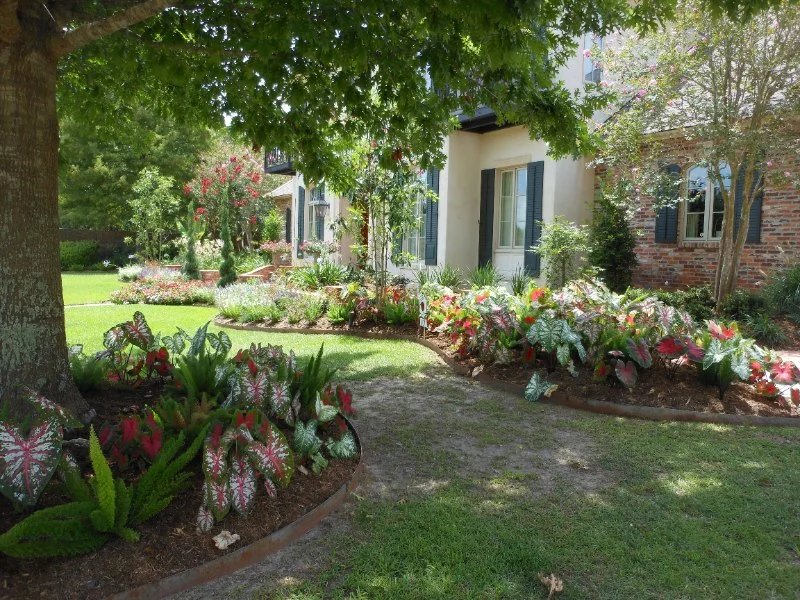
Accent trees are a powerful landscaping tool used to create focal points and visual interest in gardens and yards. These trees are typically smaller in size compared to traditional shade trees but are strategically placed to add a splash of color, texture, or unique shape to an area. Whether you're designing a garden, backyard, or urban landscape, accent trees can elevate the visual appeal of your outdoor space, making it more vibrant and dynamic.

Why Use Accent Trees for Visual Impact?
Accent trees serve multiple purposes in landscape design. Here are some of the key reasons why they can significantly enhance the visual impact of your garden:
- Focal Points: Accent trees create a point of focus in the garden, drawing the eye and providing a central theme for the space. This helps to guide the design flow and structure.
- Color Contrast: By selecting trees with vibrant flowers or colorful foliage, you can add contrast to your garden, creating a more appealing and varied landscape.
- Texture and Shape: Accent trees come in various shapes and textures, which can complement other plants and landscaping elements, enhancing the overall aesthetic.
- Scale and Proportion: Small trees help balance larger structures or plantings in the garden, ensuring that the space doesn't feel overcrowded or disproportionate.
Choosing the Right Accent Tree
Not all trees work as accent plants, so selecting the right one is essential to achieving the desired effect. Here are some factors to consider when choosing an accent tree for visual impact:
- Size: Choose a tree that fits the scale of your garden. Smaller trees like Japanese maples or dogwoods work well in compact spaces, while larger accent trees like redbuds can stand out in larger gardens.
- Color: Consider trees with striking flowers, colorful foliage, or interesting bark. Trees like flowering cherries or ornamental pears are popular choices for adding vibrant colors to your landscape.
- Shape: The shape of the tree will affect the flow and balance of your garden. For example, weeping willows or contorted filberts add dynamic, unusual forms, while columnar oaks offer a more vertical accent.
- Seasonality: Choose trees that offer visual interest throughout the year. Some trees, like the winterberry holly, provide stunning winter colors, while others bloom in spring or offer vibrant fall foliage.
How to Place Accent Trees in Your Landscape
The placement of accent trees is crucial to their impact. Here’s how to position them for maximum visual effect:
- Center of Attention: Plant accent trees in key areas where you want to create focus, such as near the entrance of your garden or beside a seating area to draw attention.
- Complementary Grouping: Position accent trees near other plants, shrubs, or structures that they can complement. For example, place a flowering tree next to a row of evergreens to highlight its color.
- Contrast with Hardscaping: If you have paved areas, walkways, or walls, accent trees can soften the edges, creating a beautiful contrast between the hardscape and the natural elements.
- Layering: In larger landscapes, use accent trees to create layers. Place taller trees in the back and shorter ones in the front to create depth and perspective.
Best Accent Trees for Different Environments
Different types of accent trees are better suited for various climates and soil conditions. Here are some of the best choices for different environments:
- For Small Spaces: Consider compact trees like the Japanese maple, dwarf lilac, or crabapple. These trees don’t take up much space but still make a bold statement.
- For Shady Areas: Trees like the red-twig dogwood or hydrangea trees thrive in shade and can offer beautiful blooms and interesting textures.
- For Warm Climates: Trees such as the olive tree or desert willow are ideal for hot, dry environments, bringing unique textures and stunning colors to arid landscapes.
- For Cold Climates: Trees like the dwarf conifer or serviceberry are hardy options that can withstand cold winters while providing year-round beauty.
Real-World Case Studies of Accent Tree Usage
Accent trees have been used effectively in various real-world landscaping projects. Here are a couple of examples:
- Urban Landscape: In a bustling urban environment, a city park was enhanced by planting a row of ornamental cherry trees. These trees not only provided much-needed greenery but also offered stunning blossoms each spring, creating a welcoming environment for visitors.
- Residential Garden: A homeowner in a suburban neighborhood added a striking Japanese maple as the centerpiece of their front yard. Surrounded by low-maintenance shrubs, the tree’s vibrant red foliage during the fall season became a stunning focal point of the garden.
These examples show how accent trees can transform spaces by adding color, texture, and visual interest, making them an invaluable tool for landscape designers and homeowners alike.
If you're looking for the best accent trees for your landscape, or you need high-quality landscaping products, check out Beautiful Landscapes. They offer a wide range of trees and garden supplies to help bring your landscaping vision to life.
 Day's Garden Center4.0 (66 reviews)
 Iowa City Landscaping & Garden Center4.0 (71 reviews)
 L. Miller Landscaping & Design5.0 (7 reviews)
 Lawnkeepers4.0 (13 reviews)
 Rick's Lawn Mowing4.0 (6 reviews)
 Jeff's Premier Landscaping4.0 (17 reviews)
 How to Choose the Right Plants for Container Combinations: Tips for Beautiful Displays
 How to Landscape Using Modular or Prefabricated Elements
 How to Design a Garden That Ages Gracefully
 How to Incorporate Water Features Without Overpowering Your Landscape
 How to Install a French Drain to Resolve Water Issues | Easy Guide
 How to Build a Stone Pathway With a Natural Flow