
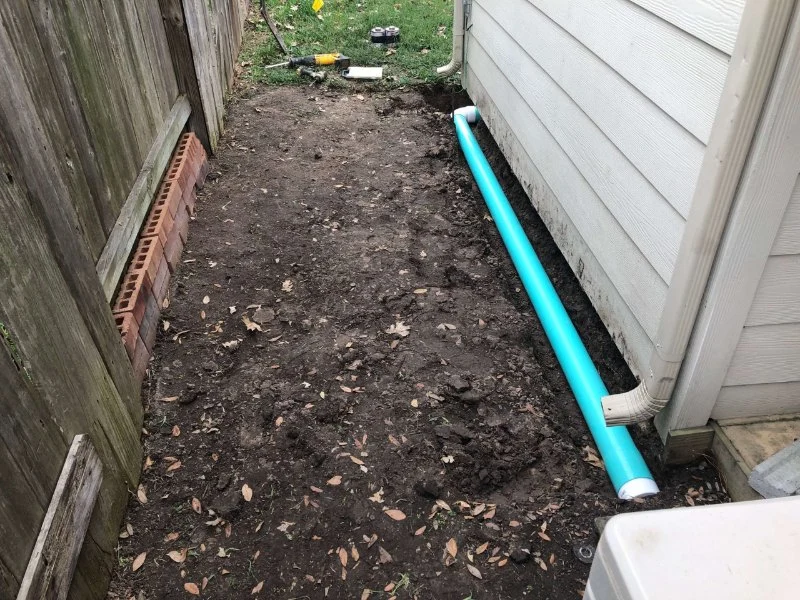
1. Why You Need a French Drain for Water Issues
Water drainage problems can be a serious concern for homeowners, causing damage to foundations, gardens, and lawns. If you’ve noticed pools of water around your yard or basement, a French drain might be the perfect solution. A French drain is a simple yet effective way to redirect water away from problematic areas, preventing further damage.
French drains are designed to channel water away from your property, helping to prevent flooding and waterlogged soil. Whether you’re dealing with soggy lawns, wet basements, or water collecting around your foundation, installing a French drain can offer a long-term fix for these common water issues.

McCormick's Nursery & Garden Center
SterlingWhiteside CountyIllinois
3602 E Lincolnway, Sterling, IL 61081, USA
2. Preparation for Installing a French Drain
Before starting the installation of your French drain, it’s important to prepare properly. Here’s what you need to do:

Assess the Drainage Problem
Determine where the water is pooling and how it’s affecting your property. Look for areas in your yard where water accumulates, such as low spots or areas near the foundation. Identifying the problem area will help you decide the best location for your drain.
Gather Necessary Tools and Materials
For a successful installation, you’ll need the following tools and materials:
- Shovel or digging equipment
- Landscape fabric
- Perforated pipe
- Gravel
- Drainage pipe fittings
- Level
- Measuring tape
Check Local Regulations
Before digging, check with local authorities to ensure there are no restrictions or guidelines for installing a French drain. Some regions may have specific codes or permits for drainage systems, especially if you're near water sources or sewer lines.
3. Steps to Install a French Drain
Once you’ve prepared your site, it’s time to install your French drain. Follow these step-by-step instructions for a successful installation:
Step 1: Dig a Trench
Start by digging a trench where you want the French drain to be installed. The trench should be about 6-12 inches wide and 18-24 inches deep, depending on your specific needs. The trench should also have a slight slope, around 1% (1 inch per 8 feet), to ensure proper water flow.
Step 2: Line the Trench with Landscape Fabric
After digging the trench, line it with landscape fabric to prevent soil from entering the drain and clogging the pipe. Lay the fabric along the sides and bottom of the trench, ensuring it extends a few inches beyond the trench on both sides.
Step 3: Add Gravel to the Trench
Next, add a layer of gravel to the trench, about 2-3 inches deep. The gravel acts as a filter, allowing water to flow freely around the perforated pipe while keeping dirt out.
Step 4: Install the Perforated Pipe
Place the perforated pipe on top of the gravel layer, ensuring that the perforations face down. This allows water to enter the pipe and flow away from your property. If you have multiple pipes, connect them using pipe fittings to create a continuous drainage path.
Step 5: Cover the Pipe with More Gravel
Once the pipe is in place, cover it with additional gravel until the trench is filled. The gravel should be level with or slightly below the surrounding ground level.
Step 6: Fold the Landscape Fabric Over the Gravel
Fold the edges of the landscape fabric over the gravel to prevent dirt and debris from entering the drain. This helps maintain the efficiency of your French drain for years to come.
Step 7: Fill in the Trench
Finally, fill in the rest of the trench with soil or turf. The finished result should be a smooth, level surface that allows water to flow freely into the drain.
4. Common Issues with French Drains and How to Avoid Them
While French drains are an effective solution for water issues, there are a few common problems to watch out for:
Clogging
Over time, debris or soil can clog the perforated pipe, reducing the effectiveness of your drain. To avoid this, make sure to properly line the trench with landscape fabric and maintain the drain regularly by cleaning it out as needed.
Improper Slope
If the trench is not sloped correctly, water may not flow efficiently through the drain. Always ensure the trench has a gentle slope to direct water away from your property. You can use a level or measuring tape to check the slope as you dig.
Water Flow Issues
If the French drain isn’t draining as expected, check the pipe for clogs or obstructions. Make sure the outlet of the drain is clear and positioned in an area where water can safely exit.
5. Maintenance Tips for Your French Drain
Maintaining your French drain is crucial for its long-term effectiveness. Here are some tips to keep it functioning properly:
Inspect the Drain Regularly
Check your French drain every few months to ensure it’s free of debris and functioning properly. Look for signs of standing water or wet spots in areas where the drain should be directing water.
Clean the Drain
Occasionally, you may need to clean the pipe by flushing it with water to remove any buildup of dirt or debris that could block the flow of water.
Check for Surface Clogs
If your yard or garden area becomes overly saturated with water, it may be a sign of a surface clog. Address this quickly by clearing any debris blocking the outlet.
6. Best Tools and Materials for Installing a French Drain
For a successful installation, you’ll need the right tools and materials. Check out Beautiful Landscapes for high-quality French drain materials, including perforated pipe, gravel, landscape fabric, and other drainage accessories. These products can help you create a durable and effective French drain system.






 Brown Enterprises Landscaping4.0 (10 reviews)
 Cory's Landscaping and Design, LLC1.0 (1 reviews)
 Coulee Region Landscape & Design LLC5.0 (8 reviews)
 Amelon Lawn Care LLC5.0 (3 reviews)
 Ewing Landscape LLC3.0 (2 reviews)
 Madison Green Team4.0 (26 reviews)
 How to Shield Plants From Strong Winds in Your Yard
 How to Choose Outdoor Furniture That Complements Landscape
 How to Reduce Maintenance with Smart Plant Grouping
 How to Plan a Garden for Succession Blooming
 How to Plan an Entryway Garden That Welcomes Guests
 How to Build Garden Steps That Look Natural