
- Why Transition from Sod to a Native Meadow?
- Steps to Transition from Sod to a Native Meadow
- Benefits of a Native Meadow Landscape
- Common Challenges and Solutions
- How Beautiful Landscapes Can Help
Why Transition from Sod to a Native Meadow?
Transitioning from a traditional sod lawn to a native meadow can seem like a big change, but it offers numerous benefits for both your garden and the environment. Sod lawns are often high-maintenance, requiring constant watering, fertilizing, and mowing. On the other hand, native meadows are low-maintenance and eco-friendly, offering sustainable alternatives that support local wildlife, conserve water, and promote biodiversity.
By choosing a native meadow, you’re embracing plants that are adapted to the local climate and soil conditions, reducing the need for chemical fertilizers and pesticides. Additionally, native plants support a range of beneficial insects, birds, and pollinators, which are crucial for maintaining a healthy ecosystem. This transition not only saves time and money but also contributes to preserving the natural beauty of your area.
Manzo’s Lawn Care and Snow Removal LLC
Downers GroveDuPage CountyIllinois
1202 75th St STE N #133, Downers Grove, IL 60516, USA
Steps to Transition from Sod to a Native Meadow
Converting your sod lawn into a beautiful native meadow requires careful planning and execution. Here’s a step-by-step guide to help you through the process:

1. Assess Your Site
The first step in transitioning to a native meadow is assessing your current lawn. Consider the soil type, drainage, sun exposure, and the existing grass or weeds. Understanding these factors will help you determine which native plants will thrive in your space.
It's also important to consider the climate in your area, as different native plants will be suited to different regions. Make sure to choose plants that are drought-tolerant and suited to the natural conditions of your environment.
2. Remove the Sod
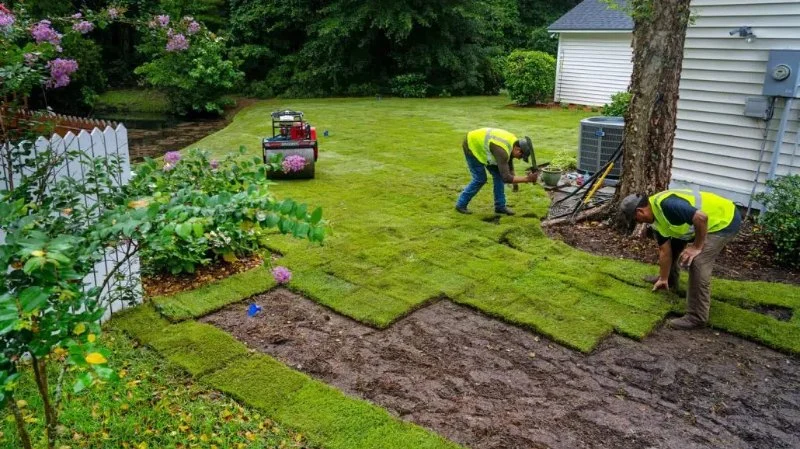
To create a successful native meadow, you need to remove the existing sod. There are a few methods for doing this:
- Manual Removal: Using a shovel or hoe, you can manually remove the sod, cutting it into manageable pieces. This is labor-intensive but effective.
- Smothering: Lay down heavy-duty plastic or a thick layer of cardboard to block sunlight and smother the grass. Leave it in place for several weeks, and the grass will eventually die.
- Herbicides: As a last resort, you can use herbicides to kill the sod. However, this method should be used sparingly, as it can harm the environment.
3. Prepare the Soil
After removing the sod, it’s essential to prepare the soil for planting. Native meadows require healthy, well-drained soil, so you may need to amend the soil with compost or organic matter to improve its structure. Avoid tilling the soil too much, as this can disturb the natural soil ecosystem.
It’s also a good idea to test your soil’s pH and adjust it if necessary. Many native plants prefer slightly acidic or neutral soil, so adjusting the pH to suit your chosen plants can improve their chances of thriving.
4. Select and Plant Native Plants
Choosing the right mix of native plants is crucial for the success of your meadow. Consider including a variety of grasses, wildflowers, and groundcovers that are suited to your local conditions. Native grasses like Little Bluestem and Prairie Dropseed are excellent choices for adding texture, while wildflowers like Black-eyed Susans and Echinacea will add vibrant color to your meadow.
When planting, consider grouping plants with similar water and sunlight needs together. You can either sow seeds directly into the soil or purchase small plants from a nursery specializing in native species. Be patient—native plants can take a while to establish, but once they do, they will require minimal maintenance.
5. Maintain the Meadow
Once your native meadow is established, it will require much less maintenance than a traditional lawn. However, during the first year or two, regular watering and weed control will help your plants establish roots. Water deeply but infrequently to encourage deep rooting, and be sure to mulch around your plants to help retain moisture and suppress weeds.
After the initial establishment period, your meadow will need minimal care. You may want to mow it once or twice a year to keep it looking tidy, but overall, native meadows are incredibly low-maintenance.
Benefits of a Native Meadow Landscape
Transitioning from sod to a native meadow offers numerous benefits:
1. Water Conservation
Native meadows are adapted to local conditions, which means they require less water than traditional lawns. This can save you money on your water bill while also helping to conserve a precious resource.
2. Support for Wildlife
Native meadows provide a habitat for local wildlife, including pollinators like bees and butterflies. By transitioning to a native meadow, you’re helping to support the ecosystem in your area and contribute to the preservation of native species.
3. Reduced Maintenance
Once established, native meadows require little maintenance compared to sod lawns. There’s no need for frequent mowing, fertilizing, or applying pesticides, making it a more sustainable and eco-friendly option for your landscape.
Common Challenges and Solutions
While transitioning from sod to a native meadow is rewarding, there are some challenges that may arise. Here are some common obstacles and how to address them:
1. Weeds
Weeds can be a challenge during the first few years of establishing a native meadow. To prevent weeds from overtaking your plants, use mulch, pull weeds by hand, or use organic weed control methods like vinegar or boiling water. Over time, your native plants will outcompete the weeds.
2. Slow Establishment
Native plants can take time to establish, and during this period, you may see slower growth compared to traditional sod. Be patient, and continue to care for your plants until they are fully established. Once they have rooted, they will thrive with minimal intervention.
How Beautiful Landscapes Can Help
If you’re considering transitioning your lawn to a native meadow, Beautiful Landscapes can provide expert advice, services, and support to help you achieve the garden of your dreams. Our team specializes in sustainable landscaping solutions, including native meadow planting and design. We can help you select the right plants, create a planting plan, and guide you through the process of converting your sod lawn into a thriving, low-maintenance native meadow.
Visit Beautiful Landscapes today to learn more about how we can help you create a stunning and eco-friendly landscape for your home or business.



 H&H Services Incorporated4.0 (7 reviews)
 Best Buds Landscape5.0 (3 reviews)
 Walmart Patio & Garden Services0.0 (0 reviews)
 Nicole Ann Landscapes5.0 (2 reviews)
 Creekside Turf Management, LLC5.0 (103 reviews)
 Solid Rock Landscaping LLC5.0 (35 reviews)
 How to Create a Front Walk That Makes a Great First Impression
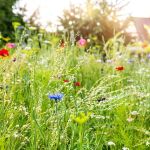 How to Cultivate a Wildflower Meadow at Home: A Step-by-Step Guide
 How to Choose Eco-Friendly Outdoor Flooring Options: Sustainable Choices for Your Garden
 How to Use Stepping Stones to Guide Garden Movement
 How to Build Raised Garden Beds That Last
 How to Build a Pathway That Blends With Nature: A Step-by-Step Guide