
- 1. What Is Mulch?
- 2. The Benefits of Mulch for Your Garden
- 3. Different Types of Mulch
- 4. How Much Mulch Should You Use?
- 5. Tips for Using Mulch Effectively
- 6. Conclusion
1. What Is Mulch?
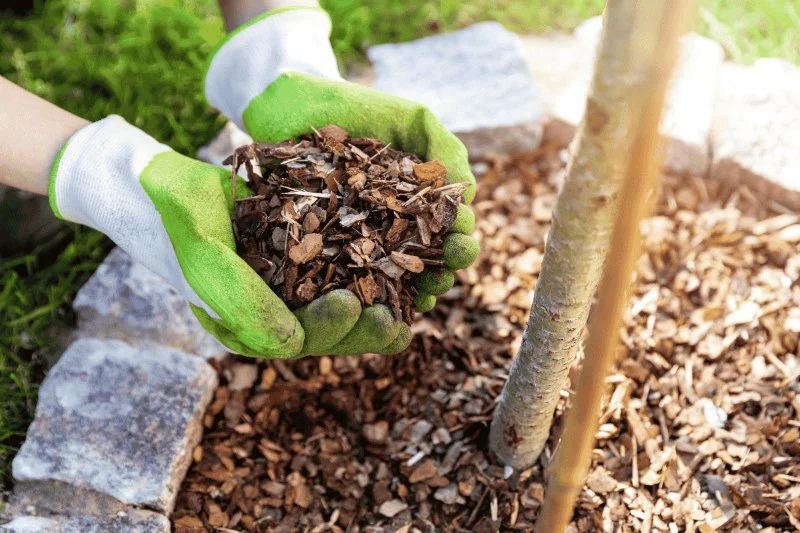
Mulch is any material that is spread or laid over the surface of the soil to help with moisture retention, temperature regulation, and soil improvement. While it’s commonly associated with gardens, mulch can also benefit lawns and landscapes by providing an extra layer of protection against the elements. It plays a vital role in preserving soil health and fostering plant growth.
2. The Benefits of Mulch for Your Garden
Mulch offers numerous benefits that help gardeners maintain healthy plants and efficient garden systems:
- Moisture Retention: Mulch helps retain moisture in the soil, reducing the need for frequent watering.
- Temperature Control: By acting as an insulating layer, mulch helps regulate soil temperature, keeping it cooler in summer and warmer in winter.
- Weed Suppression: Mulch prevents weed seeds from germinating by blocking sunlight and forming a barrier over the soil.
- Soil Enrichment: Organic mulches, such as wood chips and straw, break down over time, adding nutrients to the soil and improving its structure.
- Protection from Erosion: Mulch helps prevent soil erosion caused by wind and water, especially in areas with sloped terrain.
3. Different Types of Mulch
There are two main types of mulch: organic and inorganic. Both have their uses and advantages, depending on your gardening goals:

3.1 Organic Mulch
Organic mulch is made from natural materials that decompose over time, such as:
- Wood Chips and Shredded Bark: Great for trees, shrubs, and flower beds, wood chips decompose slowly and add organic matter to the soil.
- Straw and Hay: Commonly used in vegetable gardens, straw and hay help suppress weeds and keep moisture in the soil.
- Grass Clippings: Grass clippings can be used in small quantities to add nutrients back into the soil, though they should be dry to prevent them from forming a slimy layer.
- Leaves and Pine Needles: These materials break down relatively quickly, improving soil structure and fertility.
3.2 Inorganic Mulch
Inorganic mulch does not break down or add nutrients to the soil, but it can be used for long-lasting coverage. Types include:
- Rubber Mulch: Made from recycled tires, rubber mulch is durable, prevents weed growth, and offers a long-lasting solution for playgrounds and walkways.
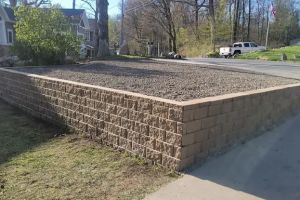
- Gravel and Pebbles: Best for paths, patios, and other areas where a more permanent solution is needed, gravel can help with drainage and reduce weed growth.
- Landscape Fabric: This is often used underneath organic mulch to provide an additional layer of weed control without disrupting the soil's natural health.
4. How Much Mulch Should You Use?
Determining the right amount of mulch is key to achieving the best results. Applying too little mulch won’t provide sufficient benefits, while too much can suffocate plant roots and create an imbalance in the soil. The general rule is to apply mulch to a depth of 2-3 inches, which is sufficient to suppress weeds, retain moisture, and regulate soil temperature.
To calculate the amount of mulch needed for your garden, measure the area in square feet and multiply it by the desired depth of mulch (usually 2-3 inches). Then, divide the result by 12 to determine the total number of cubic yards of mulch needed.
5. Tips for Using Mulch Effectively
- Keep Mulch Away from Plant Stems: When applying mulch, make sure to leave a gap around plant stems and tree trunks to prevent moisture buildup, which can lead to rot.
- Renew Mulch Regularly: Organic mulch decomposes over time, so it’s essential to add fresh mulch every season to maintain its benefits.
- Consider Local Conditions: Choose mulch types that are best suited for your region’s climate and your specific garden needs. For instance, in hot climates, consider using mulches that help with moisture retention.
6. Conclusion
Mulching is a simple yet effective gardening technique that offers numerous benefits for your plants and soil. By understanding the science behind mulch, choosing the right type for your garden, and applying it in the correct amount, you can improve your garden’s health and appearance while also reducing maintenance. Whether you’re a seasoned gardener or just starting, mulch is a great addition to any landscape.
For more information on mulch and other gardening tips, visit Beautiful Landscapes for expert advice and products that can enhance your gardening experience.


 Augusta Lawn Care of Newburgh4.0 (61 reviews)
 Janice's Maintenance Care Landscaping4.0 (33 reviews)
 The Illuminators Outdoor Lighting5.0 (621 reviews)
 Affordable Lawn Care Company4.0 (78 reviews)
 SiteOne Landscape Supply4.0 (27 reviews)
 Ware Landscaping & Snow Removal5.0 (8 reviews)
 How to Protect Plants From Frost & Freeze Damage - Essential Tips for Gardeners
 How to Use Drip Irrigation to Save Water Effectively
 How to Design a Garden That Changes All Year
 How to Design a Sensory Garden (Smell, Touch, Sound)
 How to Incorporate Pathway Lighting for Safety and Style
 How to Landscape Using Modular or Prefabricated Elements