
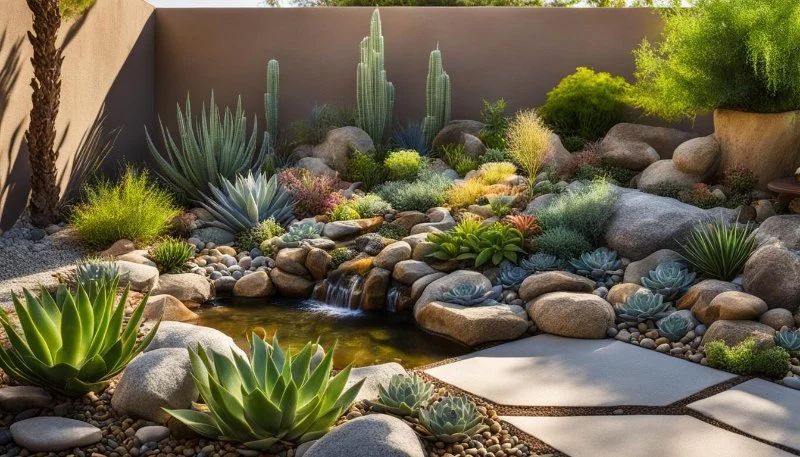
1. Understanding Water-Efficient Gardening
Water-efficient gardening is all about creating landscapes that require less water to thrive, especially in regions prone to drought or water shortages. With the increasing challenges of water conservation, designing a garden that needs minimal watering is not only eco-friendly but also cost-effective. The goal is to reduce water usage while maintaining a lush and thriving garden. In this guide, we’ll explore the strategies that can help you design such a garden without compromising on beauty or function.
2. Importance of Drought-Resistant Plants
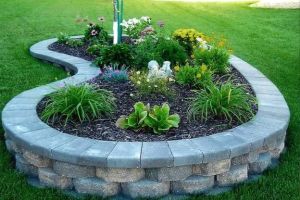
One of the cornerstones of water-efficient gardening is the use of drought-resistant plants. These plants are specially adapted to survive with minimal water, making them ideal for low-water gardens. Native plants, in particular, are a great choice since they have evolved to thrive in local conditions, requiring less maintenance and water.
For example, plants like lavender, succulents, and agave are well-known for their drought tolerance. By incorporating these into your garden, you can reduce the need for frequent watering while still enjoying a vibrant and colorful landscape. Additionally, these plants often have deep root systems that help them access water deeper in the soil, making them more resilient during dry spells.
3. Landscaping Techniques for Water Conservation
There are several landscaping techniques that can significantly reduce the amount of water your garden needs. These techniques focus on optimizing water use, improving soil health, and creating microclimates that help retain moisture in the soil.
3.1 Mulching
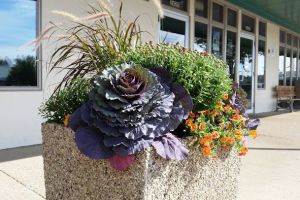
Mulching is one of the simplest and most effective ways to conserve water in the garden. A layer of organic mulch, such as wood chips or straw, helps to retain moisture in the soil by reducing evaporation. It also keeps the soil temperature consistent, preventing it from becoming too hot or too cold, which can stress plants.
3.2 Grouping Plants by Water Needs
Another effective technique is grouping plants with similar water requirements together. This practice, known as hydrozoning, allows you to water plants more efficiently, ensuring that each group gets the right amount of water. For instance, place drought-tolerant plants in one section of the garden and water-loving plants in another to avoid over-watering or under-watering any area.
3.3 Using Drip Irrigation
Drip irrigation systems are an excellent way to water your garden with minimal waste. Unlike traditional sprinklers, which can lead to water runoff, drip irrigation delivers water directly to the base of each plant. This system reduces evaporation and ensures that the water is absorbed by the plant roots, making it a highly efficient method for watering your garden.
4. Designing Your Low-Water Garden
Designing a garden that requires minimal water involves more than just choosing the right plants. It’s about creating a balanced, sustainable ecosystem that conserves water while still looking beautiful. Here are some design considerations to keep in mind:
4.1 Create Zones for Different Needs
Divide your garden into zones based on the water needs of the plants. For example, you can create a “dry zone” with drought-tolerant plants, and a “wet zone” for plants that require more water. This zoning allows you to tailor your irrigation system and watering schedule to the specific needs of each plant group.
4.2 Incorporate Hardscaping
Hardscaping elements like paths, patios, and walls can help reduce the amount of space you need to plant, thus cutting down on water requirements. In addition, hardscaping materials, such as gravel or decomposed granite, can help retain moisture in the soil and reduce evaporation.
4.3 Focus on Soil Health
Healthy soil is the foundation of a low-water garden. Well-amended soil can retain moisture more effectively, reducing the need for frequent watering. Adding compost or organic matter can improve soil structure, enhance water retention, and provide nutrients for your plants.
5. Maintaining Your Water-Efficient Garden
Once your garden is designed and planted, ongoing maintenance is crucial to ensure it remains water-efficient. Regularly check your irrigation system for leaks or blockages, and adjust the watering schedule as needed based on seasonal weather changes. Keep an eye on the health of your plants, and replace any that are not thriving with more drought-resistant alternatives.
Additionally, continue to add mulch, compost, and other soil amendments to keep your garden healthy and water-efficient. Regularly prune plants to remove dead growth and improve airflow, which can help reduce water loss due to evaporation.
For more guidance and resources on creating a beautiful, water-efficient garden, visit Beautiful Landscapes for the best gardening products and expert recommendations.
 KLS Enterprises Lawn4.0 (13 reviews)
 Living Colors Landscape Management0.0 (0 reviews)
 Earthscapes, Inc.4.0 (17 reviews)
 Southern Illinois Lawn Care5.0 (4 reviews)
 Heart Rock Landscaping4.0 (19 reviews)
 Ray Hintz Inc.4.0 (47 reviews)
 How to Manage Slopes & Drainage in Your Yard - Beautiful Landscapes
 How to Create a Backyard Retreat With Minimal Effort
 How to Create a Butterfly Pathway Through Your Garden
 7 Steps to Create a Pollinator Garden That Attracts Bees & Butterflies
 How to Landscape for Seasonal Wildlife Attraction: Creating Habitats for Nature's Visitors
 How to Install a French Drain to Resolve Water Issues | Easy Guide