
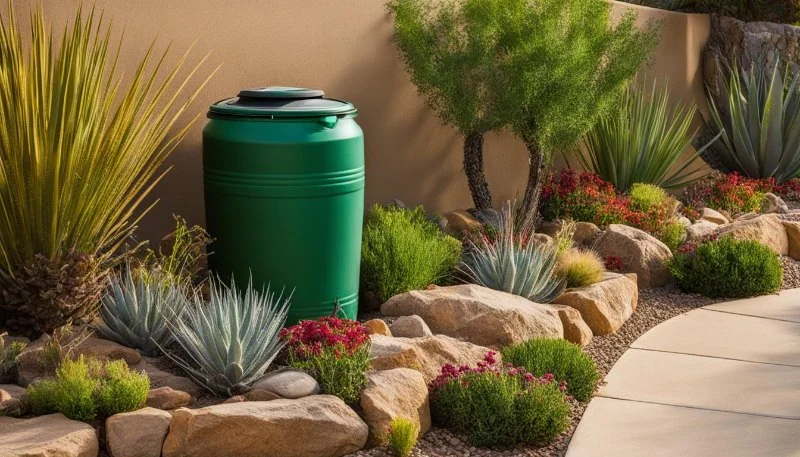
- What is Xeriscaping?
- Benefits of Xeriscaping
- Key Principles of Xeriscaping
- Planning Your Xeriscape Design
- Choosing the Right Plants for Xeriscaping
- Where to Buy Xeriscaping Products
What is Xeriscaping?
Xeriscaping is a landscaping technique designed to conserve water by using drought-tolerant plants and efficient irrigation practices. The term "xeriscaping" comes from the Greek word "xeros," meaning dry, and the word "landscaping." It’s particularly beneficial in regions that experience dry climates or where water conservation is a priority. This approach not only helps save water but also creates beautiful, low-maintenance landscapes that thrive without heavy watering.

Benefits of Xeriscaping
Xeriscaping offers numerous benefits, making it an appealing choice for homeowners and landscapers alike. Here are some of the top advantages:
- Water Conservation: The primary goal of xeriscaping is to reduce water consumption. By choosing drought-resistant plants and using water-efficient irrigation methods, xeriscaping can significantly lower your water bills and contribute to environmental sustainability.
- Low Maintenance: Once established, xeriscaped landscapes require minimal upkeep. With the right plant selection and proper design, your yard will thrive with little intervention, saving you time and money in maintenance.
- Cost Savings: Although xeriscaping may require a larger initial investment for materials, such as drip irrigation systems and drought-tolerant plants, it results in lower water costs over time, making it a cost-effective solution in the long run.
- Environmental Benefits: Xeriscaping reduces the need for chemical fertilizers and pesticides, leading to a healthier environment. Moreover, this landscaping method promotes the conservation of natural resources and supports local wildlife.
Key Principles of Xeriscaping
Xeriscaping is based on a few fundamental principles that ensure a water-efficient and sustainable landscape. By following these principles, you can create a thriving, drought-tolerant yard.
- Planning and Design: Proper planning is essential. Start by assessing your yard's microclimates (areas with more or less sunlight, wind exposure, or moisture) to determine the best plant placement and water needs.
- Soil Improvement: Healthy soil is key to maintaining a drought-resistant landscape. Add organic matter such as compost to improve water retention and drainage in your soil.
- Efficient Irrigation: Implement an irrigation system that minimizes water waste, such as drip irrigation or soaker hoses. These methods target the roots directly, avoiding runoff and evaporation.
- Mulching: Apply mulch around plants to reduce evaporation, keep the soil cool, and suppress weed growth. Mulch also adds nutrients to the soil as it decomposes.
- Appropriate Plant Selection: Choose plants that are suited to your climate and require minimal water once established. Native plants, in particular, thrive in xeriscaped environments.
Planning Your Xeriscape Design
Designing a xeriscape requires a thoughtful approach. The first step is to evaluate your landscape's unique characteristics and how you can best integrate water-efficient features. Here's how to approach the design:
- Assess Your Yard: Start by evaluating the size and layout of your yard. Identify areas that get full sun, partial shade, or heavy wind exposure. These microclimates will influence your plant selection and irrigation choices.
- Zone Your Yard: Divide your yard into different zones based on water needs. High-water plants can be placed in areas that are easy to irrigate, while low-water plants should be placed in dryer spots.
- Create Layers: A well-designed xeriscape should have layers, such as groundcovers, shrubs, and trees. This creates a visually appealing space while allowing for better water distribution.
- Consider Hardscaping: Incorporate elements like gravel, rocks, or pathways to reduce water usage in non-plant areas. These hardscaping features can also add texture and visual interest to your xeriscape.
Choosing the Right Plants for Xeriscaping
Selecting the right plants is critical for a successful xeriscaping project. Native and drought-tolerant plants are ideal choices as they are well-suited to your local climate and require minimal water once established. Here are some plant suggestions:
- Succulents: Plants like agave, aloe, and yucca are perfect for xeriscaping. They store water in their leaves and thrive in dry conditions.
- Native Plants: Native plants, such as lavender, sage, and coneflowers, are adapted to your region's climate and require little care.
- Grasses: Ornamental grasses like blue fescue and buffalo grass add texture and movement to your xeriscape while needing minimal water.
When selecting plants, consider factors such as their mature size, flower color, and blooming seasons to create visual interest and biodiversity in your xeriscape garden.

Naturescape Lawn and Landscape Care
SturtevantRacine CountyWisconsin
13900 Leetsbir Rd, Sturtevant, WI 53177, USA
Where to Buy Xeriscaping Products
For the best selection of drought-tolerant plants, irrigation systems, and mulch, visit Beautiful Landscapes, where you can find everything you need to create a stunning, water-efficient landscape. Their wide range of products will help you bring your xeriscaping vision to life while saving water and maintaining a beautiful yard.


 U&I Landscaping Maintenance4.0 (35 reviews)
 ProTurf Management LLC4.0 (33 reviews)
 Sir Newton Lawn Care LLC5.0 (2 reviews)
 Revive Your Lawn & Trimlight Chicago4.0 (76 reviews)
 G & G Lawncare Inc.4.0 (5 reviews)
 Schollmeyer Landscaping, Inc.4.0 (28 reviews)
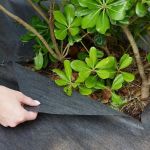 How to Choose Landscape Fabric: When to Use & When Not
 How to Choose Landscape Lighting That Isn’t Overpowering
 How to Choose Garden Lighting for Warm Ambiance: Expert Tips & Ideas
 How to Create a Garden Path That Leads & Connects
 Best Native Plants for Drought-Tolerant Landscaping: A Guide for Sustainable Gardening
 How to Use Mulch to Retain Moisture & Control Weeds