
- 1 - Introduction to Groundcovers as Living Mulch
- 2 - Why You Should Choose Groundcovers for Mulching
- 3 - Best Groundcovers to Use as Living Mulch
- 4 - How to Plant Groundcovers for Effective Mulching
- 5 - Maintenance Tips for Groundcovers as Living Mulch
1 - Introduction to Groundcovers as Living Mulch
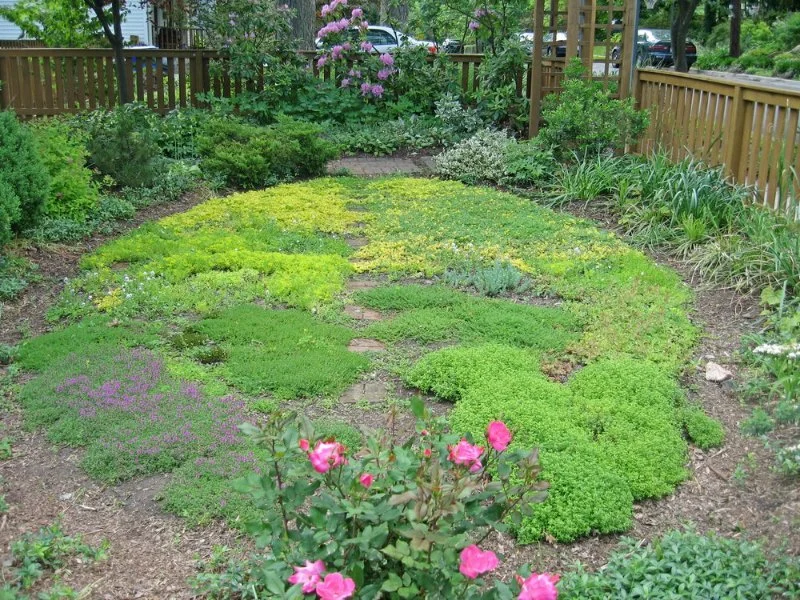
Groundcovers are low-growing plants that spread across the soil, forming a dense mat that can be used effectively as living mulch. These plants offer a natural, eco-friendly alternative to traditional mulching materials, providing numerous benefits for your garden or landscape. Whether you're looking to reduce weeds, conserve moisture, or improve soil health, groundcovers can be a great solution.
The Concept of Living Mulch
Living mulch refers to the use of plants to cover the soil surface, providing similar benefits as traditional mulch such as moisture retention, temperature regulation, and weed suppression. Unlike regular mulch, which requires replacement every season, living mulch is sustainable and long-lasting, as the groundcovers grow and spread naturally.

2 - Why You Should Choose Groundcovers for Mulching
Groundcovers offer several advantages over traditional mulch materials like bark or straw. Here are some key reasons why you should consider groundcovers for your landscaping:
1. Weed Suppression
Groundcovers create a thick, dense mat that blocks sunlight from reaching weeds, preventing them from sprouting and taking over your garden beds. By naturally suppressing weeds, groundcovers reduce the need for chemical herbicides and manual weeding.
2. Moisture Retention
One of the most significant benefits of using groundcovers as living mulch is their ability to conserve moisture. The plants' leaves help shade the soil, reducing evaporation and keeping the soil underneath consistently moist, even during hot, dry periods.
3. Soil Health Improvement
Groundcovers contribute to soil health by adding organic matter to the soil as they grow. This process improves soil structure, increases water infiltration, and enhances nutrient availability for surrounding plants. Groundcovers can also help prevent soil erosion by stabilizing the soil with their roots.
4. Aesthetic Appeal
In addition to their practical benefits, groundcovers also enhance the aesthetic appeal of your garden or landscape. With a wide variety of textures, colors, and blooming patterns, groundcovers can create beautiful, low-maintenance ground layers that complement your overall garden design.
3 - Best Groundcovers to Use as Living Mulch
Not all groundcovers are suitable for mulching, as some require specific conditions or can become invasive. Here are some of the best groundcovers for use as living mulch:
1. Creeping Thyme (Thymus serpyllum)
Creeping thyme is a popular groundcover known for its fragrant foliage and tiny purple flowers. It thrives in full sun and well-drained soil, making it ideal for xeriscaping or low-water gardens. As a living mulch, it suppresses weeds and retains moisture while adding beauty to the landscape.
2. Clover (Trifolium spp.)
Clover is an excellent nitrogen-fixing groundcover that enhances soil fertility while acting as a living mulch. It grows quickly and forms a dense, low mat that helps suppress weeds and conserve moisture. Additionally, clover can attract beneficial pollinators like bees to your garden.
3. Sweet Woodruff (Galium odoratum)
Sweet woodruff is a shade-loving groundcover that thrives in moist, woodland-like environments. Its low-growing habit and fragrant white flowers make it an attractive option for mulching under trees or in shaded garden areas. It also helps prevent soil erosion.
4. Ground Morning Glory (Convolvulus sabatius)
Ground morning glory is a vigorous and fast-growing groundcover that produces beautiful blue flowers. This hardy plant works well in sunny areas and provides effective weed control while adding vibrant color to your garden.
5. Japanese Spurge (Pachysandra terminalis)
Japanese spurge is an evergreen groundcover that thrives in shaded areas and offers excellent coverage for soil. It’s great for mulching in garden beds and under trees, providing year-round greenery while suppressing weeds and retaining moisture.
4 - How to Plant Groundcovers for Effective Mulching
Planting groundcovers is relatively easy, but to maximize their effectiveness as living mulch, it's important to follow these key steps:
1. Choose the Right Groundcover for Your Climate
When selecting groundcovers, consider your climate, soil type, and the amount of sunlight your garden receives. Choose varieties that are well-suited to your local growing conditions for the best results.
2. Prepare the Soil
Before planting, prepare the soil by removing any existing weeds and loosening the soil to ensure good root establishment. If necessary, amend the soil with organic matter or compost to improve fertility and drainage.
3. Space the Plants Properly
Space your groundcovers according to the recommendations for each variety. While it’s tempting to plant them closer together for quicker coverage, leaving adequate space allows the plants to spread naturally and form a healthy mat.
5 - Maintenance Tips for Groundcovers as Living Mulch
Once your groundcovers are planted, they require minimal maintenance. However, here are some tips to ensure they thrive:
1. Watering
While groundcovers help retain moisture, they still need regular watering during dry spells, especially during their first year of growth. Be sure to water deeply to encourage strong root development.
2. Trimming and Edging
Some groundcovers, such as creeping thyme, can spread quickly and may need occasional trimming or edging to keep them from encroaching on other plants or lawn areas.
3. Fertilization
Groundcovers generally don’t require much fertilization, but applying a balanced, slow-release fertilizer in the spring can help promote healthy growth, especially in nutrient-poor soils.
By using groundcovers as living mulch, you can create a sustainable, low-maintenance garden that not only looks beautiful but also benefits the environment. Visit Beautiful Landscapes for more tips and recommendations on the best products and services for your garden.
 Driftless Landscape LLC0.0 (0 reviews)
 Ferrals Family Landscaping & Tree Services5.0 (146 reviews)
 Super Pro Landscapes0.0 (0 reviews)
 Rosas Landscape5.0 (2 reviews)
 Coy Landscaping Inc.4.0 (16 reviews)
 Palladium Patios & Landscaping LLC4.0 (112 reviews)
 How to Design a Family-Friendly Backyard Without Losing Style
 How to Design for Sustainability Without Sacrificing Beauty
 How to Grow Herbs and Vegetables in Limited Space | Beautiful Landscapes
 How to Use Garden Art to Add Personality to Your Outdoor Space
 htmlCopy codeHow to Create a Bee-Friendly Yard Without Attracting Pests
 How to Install a French Drain to Resolve Water Issues | Easy Guide