
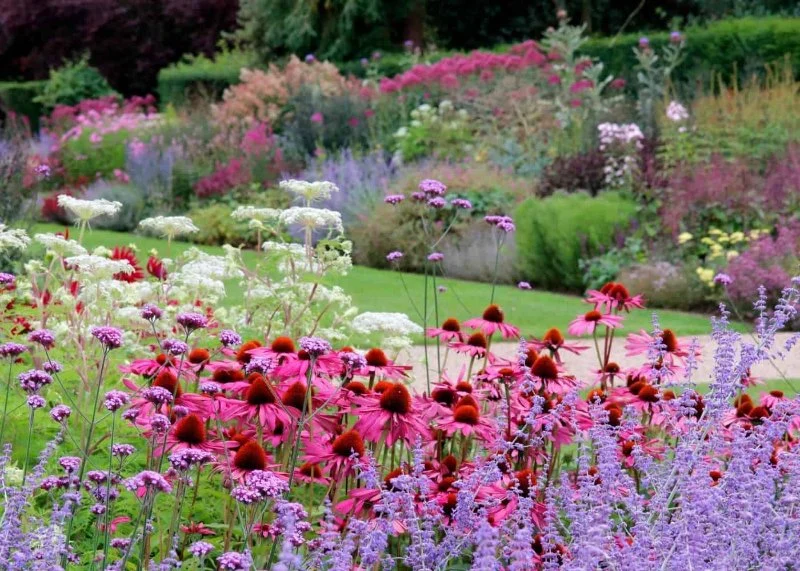
Why Choose Native Wildflowers for Your Border
When designing a garden, the decision to plant a native wildflower border can make a lasting impact on both the beauty and sustainability of your outdoor space. Native wildflowers are perfectly adapted to your local climate, soil, and environmental conditions, making them an ideal choice for a low-maintenance, eco-friendly border. They are also beneficial to local wildlife, including bees, butterflies, and birds, which rely on these plants for food and shelter.
Choosing native plants over non-native species is increasingly important for maintaining biodiversity. Native wildflowers help conserve water, reduce the need for chemical fertilizers and pesticides, and prevent soil erosion. Furthermore, they contribute to the health of your local ecosystem by supporting a diverse range of pollinators and other beneficial insects. Whether you live in the desert, plains, or coastal areas, there is a wide range of native wildflowers that will thrive in your region.
Best Native Wildflowers for Your Border
Choosing the right plants is crucial to creating a stunning native wildflower border. The best wildflowers for your garden will depend on your local climate, soil type, and the amount of sunlight your border receives. Below are some of the most popular and resilient native wildflowers for borders across the United States:
- Black-eyed Susan (Rudbeckia hirta): Known for its bright yellow petals and dark center, this wildflower is a popular choice for any garden. It thrives in full sun and well-drained soil and attracts pollinators like bees and butterflies.
- Purple Coneflower (Echinacea purpurea): This native flower is known for its striking purple petals and its medicinal properties. It grows well in full sun to partial shade and is drought-tolerant once established.
- California Poppy (Eschscholzia californica): A bright orange flower that thrives in dry, sunny conditions. It is especially popular in western U.S. gardens and is known for attracting pollinators.
- Wild Lupine (Lupinus perennis): Featuring tall, spiky flowers in shades of blue, purple, and pink, wild lupine is a great choice for adding vertical interest to your wildflower border.
- New England Aster (Symphyotrichum novae-angliae): A late-blooming flower with purple or pink blossoms, this perennial adds color to your border in the fall and attracts butterflies.
- Bee Balm (Monarda fistulosa): Known for its aromatic, pink to purple flowers, bee balm is a magnet for bees, butterflies, and hummingbirds. It grows best in moist, well-drained soil and partial to full sun.
When selecting native wildflowers for your border, consider how they will bloom throughout the seasons. By choosing plants with varying bloom times, you can ensure a continuously colorful and lively border all year long.

Designing Your Wildflower Border
Designing a wildflower border requires a bit of planning to ensure that the plants thrive and create a visually appealing display. Here are some tips to help you create a stunning wildflower border:
- Choose the Right Location: Select a spot in your garden that receives the appropriate amount of sunlight for your chosen wildflowers. Some wildflowers require full sun, while others thrive in partial shade. Also, make sure the soil drains well, as most wildflowers prefer well-drained soil.
- Consider Height and Structure: To create a visually dynamic border, plant wildflowers with varying heights. Place taller plants like New England aster or wild lupine toward the back of the border, and shorter flowers like Black-eyed Susan and California poppy in the front. This will create layers and add depth to your garden.
- Mix Different Species: While it’s tempting to plant a single species for uniformity, mixing several types of wildflowers can lead to a more natural, beautiful border. Aim to combine flowers with different bloom times, colors, and textures for a border that changes throughout the season.
- Plant in Clusters: Grouping flowers in clusters or drifts rather than single plants will create a more cohesive, natural look. Clusters also make it easier for pollinators to find food, improving the health of your garden.
Planting and Maintaining Wildflowers
Once you've designed your wildflower border, the next step is planting and maintaining it. Here’s a step-by-step guide to help you plant and care for your wildflowers:
- Prepare the Soil: Wildflowers typically thrive in poor to moderately fertile soil, but it’s important to prepare the soil before planting. Remove any weeds, and consider adding organic compost to improve soil texture and drainage. Avoid over-fertilizing, as wildflowers prefer low-nutrient soil.
- Sow Seeds or Transplants: Depending on the species, you can either sow wildflower seeds directly into the soil or plant young wildflower transplants. If you’re starting from seed, ensure that the seeds are evenly spread across the soil, and press them gently into the surface. If planting transplants, dig holes large enough to accommodate the root systems, and water them thoroughly.
- Watering and Maintenance: Wildflowers are relatively low-maintenance once established, but they do require water during the first few weeks after planting. After that, water deeply but infrequently. Once the plants are established, they should be drought-tolerant and require little additional care.
- Deadheading and Pruning: To encourage continuous blooms, deadhead spent flowers by removing faded blossoms. This will also prevent self-seeding and keep your border looking tidy. Additionally, pruning back leggy or overgrown plants will help maintain a healthy and attractive border.
Real-Life Experiences with Successful Wildflower Borders
Many gardeners have found success with creating native wildflower borders in their yards. For example, Sarah, a gardener in Texas, transformed her backyard by planting a wildflower border featuring Bluebonnets, Indian Paintbrush, and Purple Coneflowers. By following proper planting techniques and selecting plants suited for her local soil and climate, Sarah created a vibrant and sustainable border that flourished even during the hot Texas summers.
Similarly, John and Lisa from Oregon used a mix of California Poppies and Wild Lupine to create a stunning wildflower border along their garden path. Not only did this attract pollinators like bees and butterflies, but it also provided them with a beautiful, low-maintenance solution for their landscaping needs. Their success story highlights the importance of choosing native plants that are well-suited to local conditions.
Sustainable Benefits of Wildflower Borders
Creating a native wildflower border is not only a beautiful addition to your landscape but also a sustainable choice for your garden. Wildflowers are naturally adapted to their environment, requiring less water, fewer pesticides, and minimal maintenance compared to traditional garden plants. Additionally, they support biodiversity by providing food and habitat for pollinators and other beneficial wildlife.
Wildflower borders can also help reduce soil erosion and improve water retention, making them an excellent choice for environmentally conscious gardeners. By planting native species, you contribute to the preservation of local ecosystems and help maintain the natural beauty of your region.
For more ideas on creating a beautiful and sustainable wildflower border in your garden, visit Beautiful Landscapes for expert advice, product recommendations, and inspiration on landscaping with native plants.


 AMF Landscaping & Design5.0 (1 reviews)
 Plowkings&Landscaping Inc.5.0 (32 reviews)
 Deem Landscaping5.0 (1 reviews)
 Aguilar's Landscapers5.0 (6 reviews)
 Abide R.E. Solutions5.0 (2 reviews)
 Hipsher Contracting5.0 (2 reviews)
 How to Grow Ornamental Vines for Arbors and Trellises
 Top 10 Low-Maintenance Plants for American Yards
 How to Use Shade Plants Under Trees
 How to Create Visual Flow Between Front and Back Yards
 How to Landscape a Rooftop Garden for Relaxation | Beautiful Rooftop Designs
 How to Design for Low Maintenance in Coastal Climates