

- 1. Introduction: Why Drought Planning Matters for Your Landscape
- 2. Assessing Your Landscape for Drought Readiness
- 3. Choosing Drought-Resistant Plants
- 4. Water Conservation Techniques and Efficient Irrigation
- 5. Maintenance Tips for Long-Term Drought Success
- 6. Emergency Drought Measures to Implement Immediately
1. Introduction: Why Drought Planning Matters for Your Landscape
With climate change causing more frequent and severe droughts, it’s more important than ever to plan your landscaping with water conservation in mind. Drought conditions can stress plants, reduce water availability, and increase the risk of plant death. However, by preparing your landscape ahead of time, you can significantly reduce the impact of drought conditions and ensure that your garden remains healthy and vibrant with minimal water usage.

Greenview JG Landscape
West ChicagoDuPage CountyIllinois
29W044 Lester St, West Chicago, IL 60185, USA
2. Assessing Your Landscape for Drought Readiness
The first step in preparing your landscape for drought is assessing your current setup. Start by considering the following:
- Soil Type: Different soil types retain moisture at different rates. Sandy soils drain quickly, while clay soils retain more moisture. Understanding your soil will help you plan how much water your garden needs.
- Sun Exposure: Gardens in full sun will require more water than those in the shade. Identify which areas of your landscape are more exposed and consider how this will affect your plants during dry spells.
- Plant Selection: Are your plants drought-tolerant, or do they require constant watering? Assessing this will help you decide which plants need to be replaced or which areas need more drought-resistant varieties.
3. Choosing Drought-Resistant Plants
One of the best ways to plan for drought is to choose plants that can thrive in dry conditions. Drought-tolerant plants typically have deep root systems that allow them to access moisture deeper in the soil. Here are some great options to consider for your landscape:
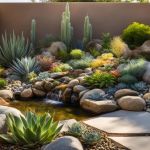
- Cacti and Succulents: These plants store water in their leaves and stems, making them ideal for dry conditions.
- Lavender: Known for its fragrant flowers and low water needs, lavender is perfect for dry landscapes.
- Native Plants: Native plants are naturally adapted to your region’s climate, making them more resilient to drought conditions.
- Ornamental Grasses: Many types of ornamental grasses are drought-tolerant and add texture and beauty to your landscape.
4. Water Conservation Techniques and Efficient Irrigation
Implementing water-saving irrigation techniques is key to surviving a drought. Some methods can drastically reduce water waste and help your plants thrive even when water resources are limited:
- Drip Irrigation: Unlike traditional sprinklers, drip irrigation delivers water directly to the base of the plants, minimizing evaporation and runoff.
- Rain Barrels: Collecting rainwater during storms can provide you with an eco-friendly water source for dry periods.
- Mulching: Applying mulch around your plants helps retain soil moisture and keeps the roots cool, reducing the need for frequent watering.
5. Maintenance Tips for Long-Term Drought Success
Maintaining your landscape with drought in mind is an ongoing process. Regular care and adjustments will ensure that your garden stays healthy throughout dry spells. Here are some maintenance tips:
- Water Deeply: When watering, do so deeply but infrequently. This encourages plants to develop deeper root systems that are better equipped to handle drought.
- Prune Dead or Weak Growth: Pruning helps plants focus their energy on healthy growth and reduces the stress of supporting weak branches during dry conditions.
- Regularly Check for Pests: Drought-stressed plants are more vulnerable to pests. Keep an eye out for signs of infestation and act quickly to address any problems.
6. Emergency Drought Measures to Implement Immediately
In the event of an unexpected drought, you can implement a few emergency measures to help your garden survive:
- Water Smartly: Focus on watering your most drought-sensitive plants first, such as newly planted trees or shrubs.
- Use Shade Cloth: Installing shade cloth can help protect your plants from intense heat and reduce water evaporation.
- Stop Fertilizing: During drought conditions, it’s best to halt fertilization, as it can stress plants further and increase water demands.
While drought conditions can be challenging for landscaping, proper preparation and ongoing care can help reduce their impact and even allow your garden to flourish with minimal water. If you need more resources or expert advice on drought-resistant landscaping, visit Beautiful Landscapes for the best solutions.



 Green Care Lawn & Landscape5.0 (16 reviews)
 Supreme Green Lawncare and Landscaping LLC5.0 (1 reviews)
 Home Landscape Materials Inc4.0 (58 reviews)
 Perfection Lawn & Landscape, LLC5.0 (34 reviews)
 A Cut Above Lawn Service3.0 (28 reviews)
 Sunny Knoll Landscaping4.0 (8 reviews)
 htmlCopy codeHow to Create a Bee-Friendly Yard Without Attracting Pests
 How to Landscape a Front Yard for Maximum Curb Appeal: Expert Tips and Ideas
 How to Use Lighting to Highlight Trees and Focal Plants
 How to Design a Garden That Requires Minimal Water
 How Often Should You Fertilize Your Lawn for a Lush, Green Yard?
 How to Reduce Your Landscape’s Water Usage by 30%