
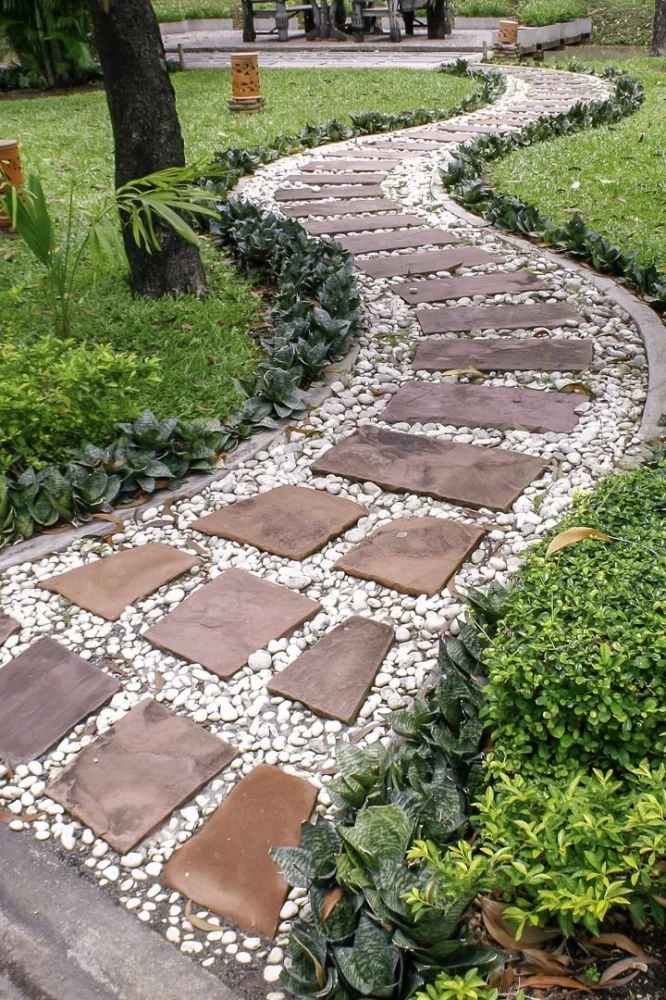
- 1. Why Create a Garden Path?
- 2. Key Elements in Garden Path Design
- 3. Steps to Create a Garden Path That Leads & Connects
- 4. Material Choices for Garden Paths
- 5. Real-Life Garden Path Inspirations
- 6. Beautiful Landscapes Recommendations
1. Why Create a Garden Path?
Garden paths serve both functional and aesthetic purposes. They guide visitors through your garden, offering a clear route from one space to another. But beyond their practical function, a well-designed garden path can also enhance the overall look of your outdoor space, helping to define areas and adding visual interest. Whether you're looking to connect different garden features, like a seating area, water feature, or vegetable garden, a path provides structure while contributing to the flow of your landscape design.

2. Key Elements in Garden Path Design
When designing a garden path, there are several key elements to consider to ensure the path is both functional and visually appealing:
- Shape and Flow: Decide whether your path should be straight and formal or winding and organic. A curved path can create a sense of mystery and lead people on a journey through your garden.
- Width: The width of your path should match the scale of your garden and its intended use. A narrow path may be ideal for a smaller garden, while a wider path can accommodate more foot traffic.
- Connection Points: Think about the key areas your path needs to connect. A good garden path will lead from one area to another, such as from the front door to a back patio or from a vegetable garden to a flower bed.
- Surrounding Landscape: Ensure that the path blends with the surrounding plants, structures, and natural features. The path should complement the style and colors of your garden.
3. Steps to Create a Garden Path That Leads & Connects
Creating a garden path is a rewarding DIY project that can be completed in a few simple steps. Here’s how to create a path that not only connects areas of your garden but also adds charm and functionality to your landscape:
- Plan the Path: Start by deciding where your path will go. Consider what areas you want to connect and how people will use the path. Sketch out a rough design, marking key connections and obstacles.
- Prepare the Ground: Clear the area where the path will be laid. Remove any grass, weeds, or debris and level the ground as much as possible. For a more stable base, consider digging out the soil to a depth of about 4-6 inches.
- Lay the Base: Add a layer of gravel or sand as a base to provide drainage and stability. Compact it down to create a solid foundation for your path material.
- Choose Your Path Material: Select the material that will form the surface of your path (see next section for material choices). Lay your chosen material evenly across the base, ensuring it’s stable and level.
- Finishing Touches: Add finishing touches like edging to keep your path material in place and prevent it from spilling into surrounding garden areas. Plant ground cover or low-growing plants along the edges for a natural, integrated look.
4. Material Choices for Garden Paths
The material you choose for your garden path plays a significant role in its appearance and functionality. Here are some popular material choices to consider:
- Gravel: Gravel paths are inexpensive and easy to install. They provide a natural, rustic look and allow for good drainage. Choose pea gravel or crushed stone for a smooth, even surface.
- Stepping Stones: Stepping stones create a more formal look and allow for gaps between stones where grass or moss can grow. They are ideal for creating a natural, minimalistic path.
- Brick or Pavers: Brick and pavers offer a more structured and durable solution. They can be laid in various patterns for a sophisticated look and are available in a variety of colors and styles.
- Wood Chips or Mulch: Wood chips or mulch are soft underfoot and work well in informal garden designs. They provide a natural, earthy feel but may require more maintenance to prevent weeds from growing through.
5. Real-Life Garden Path Inspirations
Looking for inspiration? Many gardens around the world feature stunning paths that connect different areas of the landscape. For example, the iconic Japanese Zen gardens often feature minimalist gravel paths with carefully placed stepping stones, creating a serene, meditative experience. In contrast, English country gardens often use winding cobblestone paths that lead through lush greenery, evoking a sense of discovery and exploration.
Take a walk through public gardens or look online for ideas that match your style and the overall aesthetic of your home. From rustic stone paths to sleek modern designs, the possibilities are endless!

6. Beautiful Landscapes Recommendations
If you’re looking for premium products and advice to help create your perfect garden path, check out Beautiful Landscapes. Our site offers a wide selection of high-quality materials, tools, and expert landscaping advice to help you design and build the garden path of your dreams. Whether you need stepping stones, edging materials, or decorative gravel, we have everything you need to enhance your garden space.





 H&H Services Incorporated4.0 (7 reviews)
 Best Buds Landscape5.0 (3 reviews)
 Walmart Patio & Garden Services0.0 (0 reviews)
 Nicole Ann Landscapes5.0 (2 reviews)
 Creekside Turf Management, LLC5.0 (103 reviews)
 Solid Rock Landscaping LLC5.0 (35 reviews)
 How to Create a Front Walk That Makes a Great First Impression
 How to Cultivate a Wildflower Meadow at Home: A Step-by-Step Guide
 How to Choose Eco-Friendly Outdoor Flooring Options: Sustainable Choices for Your Garden
 How to Use Stepping Stones to Guide Garden Movement
 How to Build Raised Garden Beds That Last
 How to Build a Pathway That Blends With Nature: A Step-by-Step Guide