
How to Create a Garden Path That Leads & Connects
- 1 - Why a Garden Path is Essential
- 2 - Choosing the Right Materials for Your Pathway
- 3 - Designing a Functional and Aesthetic Path
- 4 - Inspiration for Creative Garden Pathways
- 5 - How Beautiful Landscapes Can Help
1 - Why a Garden Path is Essential
A garden path does more than just provide a functional route through your landscape – it helps to define the flow of your garden and guide visitors from one area to another. A well-placed garden path can create a sense of connection between different sections of your outdoor space, allowing you to appreciate your garden’s design from different perspectives. Whether leading to a secluded bench, a vegetable garden, or a fountain, a path can enhance both the beauty and accessibility of your outdoor areas.
Beyond its visual appeal, a garden path also serves practical purposes. It ensures that you don’t damage your garden beds or turf while navigating the space, preventing soil compaction and creating a clean, easy route for maintenance and watering. It’s especially useful in areas with heavy foot traffic or when the weather is wet, as it keeps pathways dry and well-defined.
2 - Choosing the Right Materials for Your Pathway
The material you choose for your garden path is crucial for both its appearance and durability. There are many options available, depending on the style you want to achieve and the climate in your area. Here are a few popular choices:
- Flagstone: Flagstone creates a rustic, natural look, perfect for informal garden designs. It’s durable, easy to work with, and allows for creative configurations.
- Gravel: Gravel paths are budget-friendly and easy to install. They offer a casual, informal feel and work well in both modern and rustic gardens. Make sure to use edging to prevent the gravel from spilling out.
- Brick: Bricks provide a classic and elegant look that can fit into a variety of garden styles. They are durable and easy to arrange in neat patterns, and they can complement both formal and informal gardens.
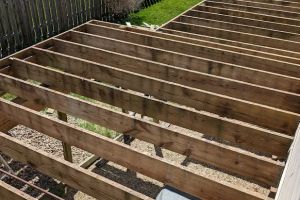
- Wooden Decking or Mulch: For a softer, more natural pathway, wooden planks or mulch can work well in gardens with a woodland or cottage theme. These materials are easy to install and are environmentally friendly, though they may require more maintenance than stone or brick.
- Concrete: Concrete paths are sleek and modern, providing a clean, polished look. They are highly durable and versatile, and can be cast into almost any shape, making them great for contemporary designs.
Consider the overall theme and maintenance requirements of your garden when selecting materials. Each material has its benefits, and the best choice will depend on factors such as climate, foot traffic, and the style of your garden.

Diaz Landscaping & Snowplow LLC
3720 Groveland Ave SW, Wyoming, MI 49519, USA
3 - Designing a Functional and Aesthetic Path
Designing a garden path requires balancing aesthetics with functionality. Your path should complement the rest of your garden while providing an easy and practical route through your space. Here are some key factors to consider when designing your garden path:
- Shape and Layout: The path should flow naturally with the garden’s design. Curved paths often create a sense of intrigue, leading visitors to explore different areas of the garden. For a more structured, formal garden, straight paths may be a better fit.
- Width: Consider how many people will use the path at once. A narrower path works well for smaller, more intimate gardens, while a wider path allows for more foot traffic and creates a more open feel.
- Integration with Existing Landscape: Ensure that your path complements the existing landscape features. You can achieve this by selecting materials and colors that match your garden’s overall aesthetic. If you have plants that drape over the edges, leave some space for them to grow without being obstructed.
- Elevation and Drainage: In areas prone to rain, consider the slope of your path and make sure water can drain properly. Raised edges, or using permeable materials like gravel or flagstone, can help prevent water from pooling on your path.
Take your time to sketch out the design and visualize how the path will fit into the larger garden. A thoughtful design can not only improve the functionality of your garden but also elevate its aesthetic appeal.
4 - Inspiration for Creative Garden Pathways
Looking for unique ways to design your garden path? Here are some creative ideas to spark your imagination:
- Meandering River Path: Create a winding, organic-looking path using stepping stones or cobblestones. This design mimics a flowing river and adds a natural, calming element to your garden.
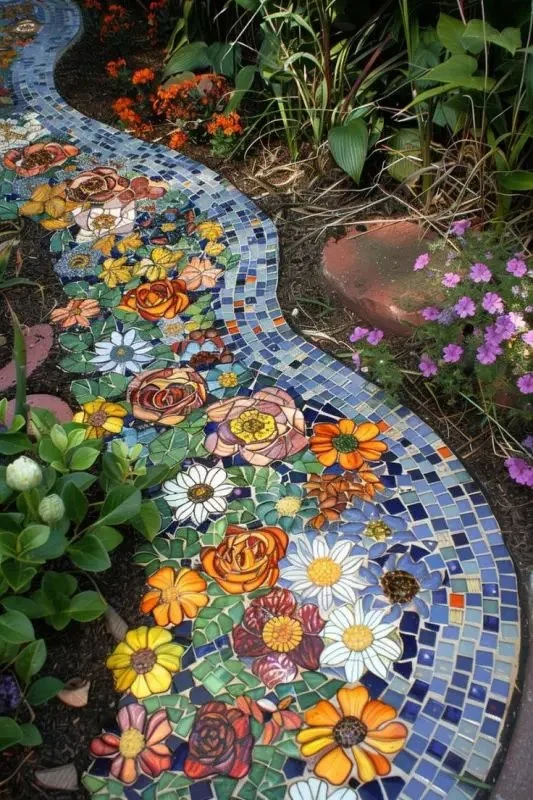
- Colorful Tile Path: For a vibrant, eye-catching look, consider using brightly colored ceramic tiles. This path will stand out and add a playful element to any garden.
- Sunken Path: A sunken path with raised garden beds on either side creates a feeling of being enclosed by nature. This design works well in larger gardens where you want to create a more intimate and serene space.
- Recycled Materials: Consider using repurposed materials like old bricks, reclaimed wood, or even wine corks for a sustainable and eco-friendly path. These materials add character and tell a unique story.
Whatever design you choose, let your path reflect your personal style and the overall theme of your garden. A creative path not only connects different areas of your outdoor space but also enhances its beauty.
5 - How Beautiful Landscapes Can Help
At Beautiful Landscapes, we specialize in providing expert landscaping advice and high-quality materials for garden design. Whether you’re looking to create a stunning garden path or transform your entire outdoor space, we have the resources and inspiration to help you every step of the way.
Visit Beautiful Landscapes for expert advice, product recommendations, and tips on creating beautiful garden paths and outdoor spaces. Our comprehensive guide and range of landscaping products will help you bring your vision to life, ensuring that your garden is both functional and beautiful.


 Changing Seasons Landscaping0.0 (0 reviews)
 Naturescene Lawn and Landscape Care4.0 (28 reviews)
 Imperial Lawns5.0 (42 reviews)
 Plant Center Inc4.0 (194 reviews)
 Walmart Patio & Garden Services0.0 (0 reviews)
 A&E Lawn and Tree5.0 (1 reviews)
 Best Ground Covers for Slopes & Erosion Control: Affordable and Effective Solutions
 How Often Should You Aerate Your Lawn?
 How to Plan Vertical & Horizontal Plant Movement
 How to Use Ornamental Grasses as Soft Barriers in Landscaping
 How to Use pH Levels to Optimize Plant Growth
 How to Plan an Entryway Garden That Welcomes Guests