
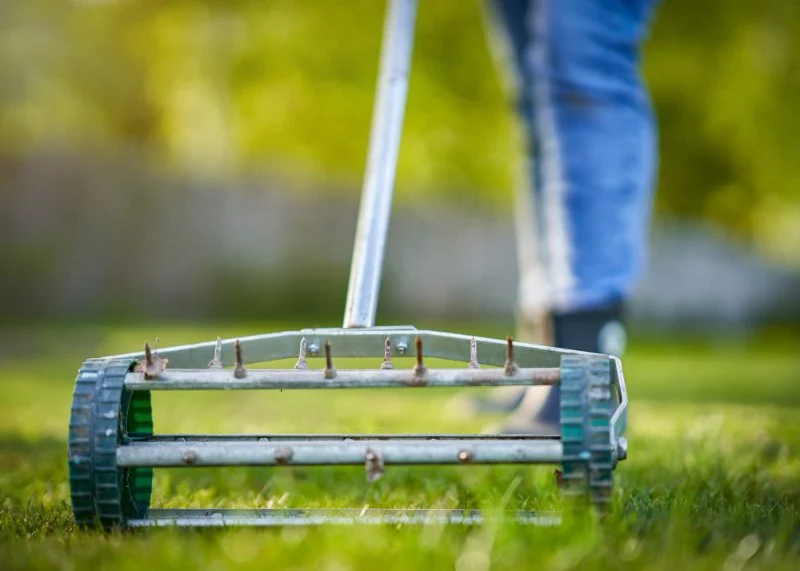
1. Why Lawn Aeration is Important
Lawn aeration is a vital part of lawn care that helps ensure your grass remains healthy, lush, and green. Aerating your lawn involves perforating the soil with small holes to allow air, water, and nutrients to penetrate deeper into the ground. This process reduces soil compaction, improves root development, and promotes better water drainage. For homeowners looking to maintain a beautiful lawn, understanding the importance of lawn aeration is key to keeping your grass thriving throughout the year.

2. Signs That Your Lawn Needs Aeration
Before we dive into how often you should aerate your lawn, it’s essential to recognize the signs that indicate your lawn would benefit from this service. Regularly aerating your lawn will prevent these issues from developing, but here's what to look out for:

2.1 Soil Compaction
Soil compaction occurs when the soil particles are tightly packed together, preventing water and nutrients from reaching the roots of your grass. This can happen due to heavy foot traffic or lawn equipment. If your lawn is hard and dense, aeration can help alleviate compaction and allow roots to grow more easily.
2.2 Poor Water Drainage
If you notice puddles forming on your lawn after it rains or your grass is looking yellow and unhealthy, this may be a sign that water isn’t draining properly. Aeration creates small holes in the soil that help water soak into the ground more efficiently, which improves drainage.
2.3 Thinning Grass
Thinning grass is a sign that your lawn isn’t receiving the necessary nutrients it needs to grow strong. If certain areas of your lawn are sparse or patchy, it may be time to aerate to allow more nutrients and air to reach the grass roots.
3. How Often Should You Aerate Your Lawn?
The frequency of aerating your lawn depends on several factors, such as the type of soil, the level of foot traffic, and the overall condition of your lawn. Here are some general guidelines for how often you should aerate:
3.1 Aerating Lawns with Clay Soil
Clay soils tend to compact more easily, so aerating them at least once a year is recommended. Clay soil can be dense and difficult for roots to penetrate, making it essential to aerate regularly to keep your lawn healthy.
3.2 Aerating Lawns with Sandy Soil
Sandy soils, on the other hand, drain water quickly and are less prone to compaction. As a result, lawns with sandy soil generally only need to be aerated every two years. Aerating more frequently than necessary may actually disrupt root growth in these soils.
3.3 High-Traffic Areas
If your lawn experiences heavy foot traffic (such as a backyard where children play or where pets frequently run), you may need to aerate more often. High-traffic areas can cause the soil to compact faster, so consider aerating these parts of your lawn every year.
3.4 When Your Lawn Looks Unhealthy
If your lawn is showing signs of stress, like thinning grass, poor water drainage, or yellowing, it may need more frequent aeration. In these cases, aerating every year can help revitalize your lawn and restore its health.
4. The Best Time to Aerate Your Lawn
In addition to knowing how often to aerate, it's important to aerate at the right time of year. Aerating at the wrong time can hinder grass growth and prevent your lawn from getting the full benefits of aeration. Here’s when to aerate:
4.1 Spring Aeration
Aerating in the spring can help relieve soil compaction that may have built up over the winter. It also allows the soil to breathe and encourages new root growth. However, spring aeration is best suited for cool-season grasses. Warm-season grasses are typically better aerated in late spring or early summer.
4.2 Fall Aeration
For most lawns, the fall is considered the best time for aeration. During this period, the weather is cooler, and the grass is actively growing, allowing it to recover quickly. Fall aeration also helps prepare your lawn for the winter months and encourages stronger growth in the spring.
5. How to Aerate Your Lawn
Aerating your lawn is a straightforward process that can be done with the right equipment. You can either rent or purchase a lawn aerator. Here's how to aerate your lawn:
5.1 Step-by-Step Guide to Aerating
1. Mow the Lawn: Mow your lawn to a shorter height than usual to allow the aerator to penetrate the soil more effectively.
2. Water the Lawn: Water the lawn a day before aerating to soften the soil and make the process easier.
3. Aerate the Lawn: Use a lawn aerator to create holes in the soil. Make multiple passes if necessary to ensure thorough coverage.
4. Topdress and Seed (Optional): After aerating, you can topdress your lawn with a thin layer of compost or soil and apply grass seed to help fill in any bare spots.
5.2 Aeration Tips
Avoid aerating when the soil is too dry or wet. Aeration is most effective when the soil is moist but not soggy. Also, make sure to aerate in multiple directions to cover the entire lawn evenly.
6. Real-Life Case: A Lawn Revived by Aeration
Last year, Mark noticed his lawn was looking unhealthy. There were brown patches, and it was difficult to water properly. After doing some research, he decided to aerate his lawn. He followed the steps above and aerated his lawn in the fall. Within a few weeks, he noticed a significant improvement: his lawn became greener, and the water drained much better. This simple task helped bring his lawn back to life, and he was proud of the results.
7. Conclusion
Regular lawn aeration is crucial for maintaining a healthy, lush lawn. By understanding how often to aerate your lawn and when to perform the process, you can ensure that your grass thrives year-round. Remember that aeration helps with soil compaction, water drainage, and root growth, all of which contribute to the overall health of your lawn.
If you're looking for the best tools and products to keep your lawn in top shape, visit Beautiful Landscapes for a wide range of lawn care supplies, including aerators, soil conditioners, and more. With the right products, your lawn will flourish season after season.




 J&B Landscape Solutions, Inc4.0 (20 reviews)
 Anthony's Lawn Care and Landscaping4.0 (255 reviews)
 Coy Landscaping Inc.4.0 (16 reviews)
 Durane's Landscaping4.0 (17 reviews)
 Innovative Landscaping LLC5.0 (3 reviews)
 D & A Landscape and Patio4.0 (119 reviews)
 How to Design a Garden for Pollinators & Native Species
 How to Build a Sustainable Backyard Using Native Materials: A Step-by-Step Guide
 How to Use Shade Plants Under Trees
 How to Build Raised Garden Beds That Last
 Xeriscaping 101: Save Water & Create a Beautiful Yard
 How to Create a Garden Path That Leads & Connects