
- Why pH Levels Matter for Plants
- What is pH and How Does it Affect Plants?
- The Ideal pH Range for Different Plants
- How to Test and Measure pH Levels
- How to Adjust Soil pH for Optimal Growth
- Real-Life Case: Improving Tomato Yield with pH Adjustment
Why pH Levels Matter for Plants
pH levels are a key factor in determining how well plants thrive. Just as the right amount of sunlight and water are essential for healthy plant growth, maintaining the right pH level in the soil is critical for nutrient uptake. Soil pH influences the availability of essential minerals and nutrients, affecting everything from plant health to the overall yield. Understanding pH levels and how to manage them can significantly improve the health and productivity of your garden.

What is pH and How Does it Affect Plants?
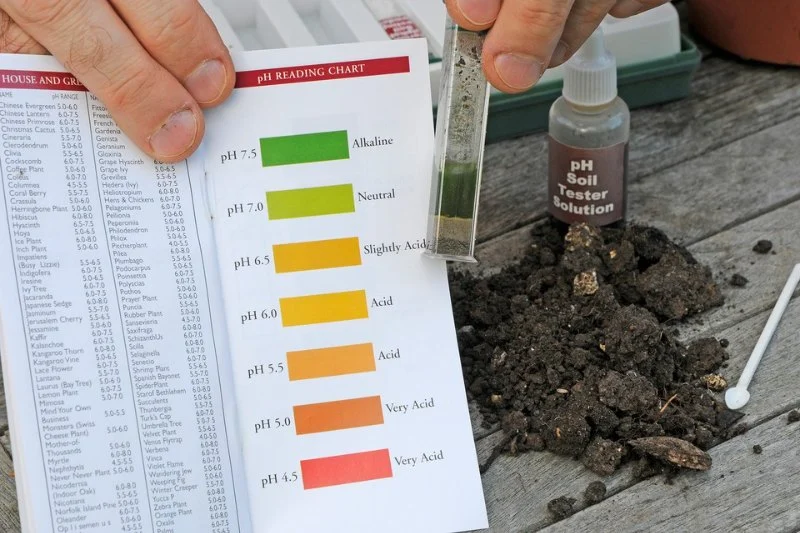
pH is a scale that measures the acidity or alkalinity of the soil. It ranges from 0 to 14, where 7 is considered neutral, values below 7 are acidic, and values above 7 are alkaline. The pH of the soil determines the solubility of nutrients. If the soil is too acidic or too alkaline, plants may struggle to absorb nutrients, leading to poor growth, yellowing leaves, and even plant death. Understanding pH levels is crucial because it impacts how well plants can access the nutrients they need to grow strong and healthy.

Henry's Landscaping & Outdoor Maintenance, LLC
360 Chestnut St, Winona, MN 55987, USA
The Ideal pH Range for Different Plants
Different plants have varying pH preferences, and knowing the optimal pH for your specific plants can make a big difference in their growth. For example, most vegetables, like tomatoes, peppers, and lettuce, prefer a slightly acidic pH between 6.0 and 6.8. On the other hand, blueberries thrive in more acidic soil with a pH range of 4.5 to 5.5. It’s important to research the specific needs of the plants you are growing and adjust the pH accordingly to ensure they receive the best possible conditions for growth.
How to Test and Measure pH Levels
Before adjusting the pH of your soil, you need to know its current level. Testing soil pH is relatively simple and can be done using a soil pH test kit, which can be purchased from most garden centers. There are also digital pH meters available for more precise readings. To test the pH, follow the instructions on the test kit, which usually involves mixing soil with water and testing the solution’s color change. Regularly testing your soil’s pH helps you maintain the right conditions for your plants and ensures that the nutrients are available for uptake.
How to Adjust Soil pH for Optimal Growth
If your soil is too acidic or alkaline, you can adjust its pH with amendments. To raise the pH (make the soil more alkaline), you can add lime or wood ashes to your soil. To lower the pH (make the soil more acidic), organic matter such as sulfur, peat moss, or pine needles can be added. It’s important to adjust the pH slowly and carefully, as drastic changes can harm the plants. Additionally, always retest the soil after making adjustments to ensure you’ve reached the desired pH range.
Real-Life Case: Improving Tomato Yield with pH Adjustment
One gardener, Sarah, noticed that her tomato plants weren’t producing as many fruits as she expected. After testing the soil, she found that the pH was too high—alkaline soil made it difficult for the plants to absorb key nutrients. To solve this, Sarah added sulfur to lower the pH. After a few weeks, the plants began to thrive, and she noticed a significant improvement in the number of tomatoes. By understanding and managing the soil’s pH, Sarah was able to optimize the growing conditions for her plants and boost her harvest. This case highlights the powerful impact that pH management can have on plant productivity.




 AMF Landscaping & Design5.0 (1 reviews)
 Plowkings&Landscaping Inc.5.0 (32 reviews)
 Deem Landscaping5.0 (1 reviews)
 Aguilar's Landscapers5.0 (6 reviews)
 Abide R.E. Solutions5.0 (2 reviews)
 Hipsher Contracting5.0 (2 reviews)
 How to Grow Ornamental Vines for Arbors and Trellises
 Top 10 Low-Maintenance Plants for American Yards
 How to Use Shade Plants Under Trees
 How to Create Visual Flow Between Front and Back Yards
 How to Landscape a Rooftop Garden for Relaxation | Beautiful Rooftop Designs
 How to Design for Low Maintenance in Coastal Climates