
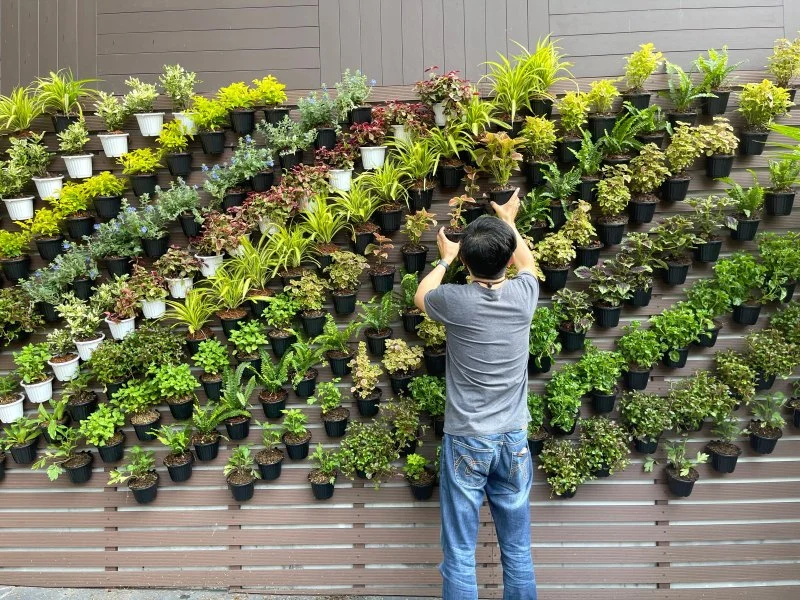
Understanding Plant Movement
Plants are dynamic living organisms that interact with their environment in fascinating ways. They move, or more accurately grow, in response to various stimuli such as light, gravity, water, and touch. This movement can be seen in both the vertical and horizontal directions, depending on how plants are situated and how they respond to environmental conditions. Understanding these movements is essential for gardeners who wish to optimize plant growth and create visually appealing arrangements.
Vertical and horizontal plant movement are not just about following basic growth patterns; they are crucial aspects of plant care and can significantly influence the health and appearance of your garden. Let’s explore how both types of plant movement work and how you can plan them effectively in your garden.

The Importance of Vertical Movement in Plants
Vertical plant movement refers to the upward growth of plants, typically seen in their stems or vines. This growth is primarily driven by the plant’s need to reach light and support itself. For many plants, especially climbers and tall varieties, vertical movement is vital for survival and thriving in crowded or shaded spaces. Some key aspects of vertical growth include:
1. Accessing Light: Most plants grow vertically to maximize their exposure to sunlight. This is especially important in environments with limited sunlight or in dense plantings. Tall plants can reach over shorter plants, ensuring they receive adequate light for photosynthesis.
2. Space Optimization: Vertical movement allows plants to grow upwards, which helps save space in your garden or indoor area. This is ideal for small gardens or container plants where horizontal space is limited.
3. Aesthetic Appeal: Vertical plant movement adds dimension and depth to a garden. Incorporating tall plants, trellises, or plant supports can create a more structured and visually interesting layout, providing vertical interest in addition to ground-level greenery.
Horizontal Movement: Spreading and Growing
Horizontal plant movement, on the other hand, focuses on the spread and growth of plants in a horizontal direction. Many plants, especially ground covers, shrubs, and vines, grow horizontally to fill out a space and form a dense ground cover. Horizontal movement has its own set of advantages:
1. Ground Coverage: Horizontal growth helps cover the ground, reducing the growth of weeds and maintaining moisture in the soil. This is especially beneficial in gardens where you want to keep the soil healthy and reduce maintenance efforts.
2. Root Expansion: Plants that spread horizontally tend to have more extensive root systems, which can help in stabilizing the plant and ensuring that it has access to a wider area of nutrients and water.
3. Aesthetic and Functional Benefits: Horizontal plants can be used to fill in gaps between taller plants, creating a balanced look in your garden. Ground covers can also help prevent erosion on slopes and provide a lush, low-maintenance option for filling in garden beds.
Effective Strategies for Planning Plant Movement
When planning the movement of plants in your garden, consider the following strategies to ensure optimal growth and aesthetic appeal:
1. Assess Your Space: Determine the available space in your garden and decide whether you need vertical or horizontal growth based on the plants you wish to grow. For example, if you have a small garden or limited space, consider using vertical growth techniques like trellises or plant poles to maximize vertical space.
2. Group Plants According to Growth Patterns: Group plants with similar growth habits together. For instance, place taller plants that grow vertically at the back of the garden and low-spreading ground covers at the front. This creates a cohesive layout and allows each plant to thrive in its ideal environment.
3. Use Plant Supports: For plants that grow vertically, use stakes, cages, or trellises to support the plant as it grows. This will help prevent the plant from toppling over and encourage it to grow straight and tall.
4. Consider Sunlight and Watering Needs: Plan the placement of your plants based on their sunlight and water requirements. Tall plants that grow vertically may need more direct sunlight, while ground covers may thrive in slightly shaded or more evenly moist areas.
Real-Life Examples of Successful Plant Movement
Sarah, a home gardener, shares her experience planning vertical and horizontal plant movement in her small garden: “I have a small backyard, so I decided to focus on vertical gardening. I used trellises for my climbing beans and tomatoes, and I was amazed at how much space I saved. At the same time, I planted creeping thyme and other ground covers along the edges, which really filled in the gaps and kept the weeds at bay. It’s been a great way to make the most of my space while keeping everything neat and organized.”
Sarah’s story is a great example of how vertical and horizontal plant movement can be combined in a small space for both functionality and beauty.






 H&H Services Incorporated4.0 (7 reviews)
 Best Buds Landscape5.0 (3 reviews)
 Walmart Patio & Garden Services0.0 (0 reviews)
 Nicole Ann Landscapes5.0 (2 reviews)
 Creekside Turf Management, LLC5.0 (103 reviews)
 Solid Rock Landscaping LLC5.0 (35 reviews)
 How to Create a Front Walk That Makes a Great First Impression
 How to Cultivate a Wildflower Meadow at Home: A Step-by-Step Guide
 How to Choose Eco-Friendly Outdoor Flooring Options: Sustainable Choices for Your Garden
 How to Use Stepping Stones to Guide Garden Movement
 How to Build Raised Garden Beds That Last
 How to Build a Pathway That Blends With Nature: A Step-by-Step Guide