
- -Understanding-Why-Ornamental-Grasses-Work-as-Soft-Barriers
- -Choosing-the-Right-Ornamental-Grasses-for-Your-Space
- -Design-Techniques-for-Using-Ornamental-Grasses-as-Barriers
- -Real-Life-Landscaping-Story-Using-Ornamental-Grasses
- -Maintenance-and-Long-Term-Care-Tips
- -Enhancing-Your-Landscape-with-Beautiful-Landscapes
1. Understanding Why Ornamental Grasses Work as Soft Barriers
When thinking about privacy or defining spaces in a yard, many homeowners immediately picture fences or hedges. However, ornamental grasses offer a more natural, flexible, and visually appealing solution. Learning how to use ornamental grasses as soft barriers can transform your outdoor space into something both functional and elegant.

1.1 The Concept of “Soft Barriers” in Landscaping
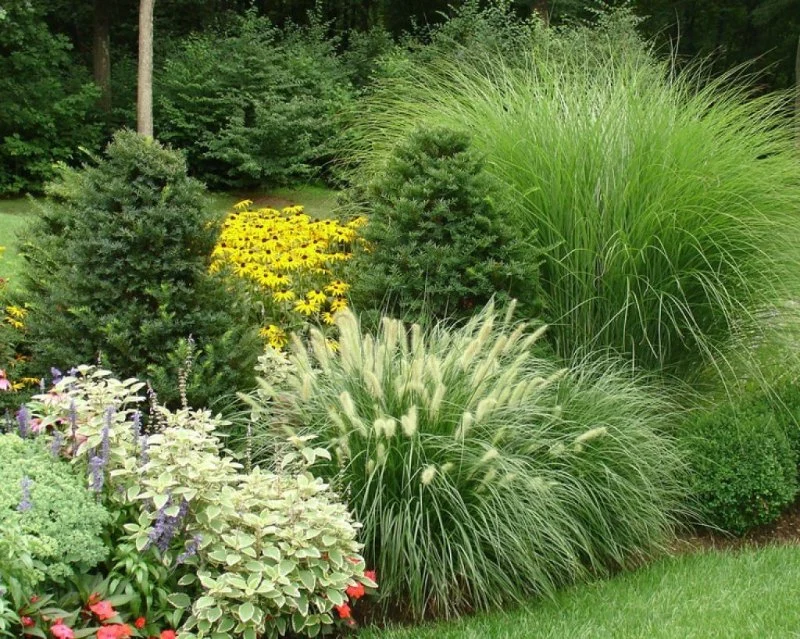
Soft barriers are plant-based boundaries that gently define areas without creating a harsh visual block. Unlike wooden fences or concrete walls, ornamental grasses sway with the wind, allowing light and movement to pass through while still offering a sense of separation.

R.A.M. landscape & patio design LLC.
3430 N Keeler Ave #3801, Chicago, IL 60641, USA
1.2 Benefits Beyond Privacy
Ornamental grasses not only provide privacy but also add texture, seasonal color, and movement to your landscape. Many varieties change hues throughout the year, creating dynamic visual interest. They are also typically low-maintenance and drought-tolerant, making them ideal for modern American homes.
2. Choosing the Right Ornamental Grasses for Your Space
Selecting the right type of grass is essential when planning a soft barrier. Not all ornamental grasses serve the same purpose, so understanding their growth habits will help you achieve the best results.
2.1 Height and Density Considerations
Tall grasses such as Miscanthus or Pampas grass are excellent for creating privacy screens, while shorter varieties like Blue Fescue are better suited for edging pathways. Think about whether you want full visual coverage or a semi-transparent boundary.
2.2 Climate and Regional Suitability
In the United States, climate plays a major role in plant success. Warm-season grasses thrive in southern regions, while cool-season varieties perform better in northern states. Choosing grasses adapted to your region ensures long-term growth and minimal maintenance.
2.3 Growth Behavior: Clumping vs Spreading
Clumping grasses grow in neat clusters and are easier to control, making them ideal for structured designs. Spreading grasses can fill larger areas quickly but may require more management to prevent overgrowth.
3. Design Techniques for Using Ornamental Grasses as Barriers
Once you’ve selected your grasses, thoughtful placement and design will determine how effective your soft barrier becomes.
3.1 Layering for Depth and Visual Interest
Instead of planting a single row, consider layering different heights and textures. For example, taller grasses in the back and medium-height varieties in the front create a natural gradient that feels lush and intentional.
3.2 Creating Pathway Borders
Ornamental grasses can guide movement through your yard. Planting them along walkways creates a soft, inviting boundary that subtly directs foot traffic without feeling restrictive.
3.3 Combining Grasses with Other Plants
Mixing grasses with flowering perennials or shrubs enhances the overall design. This combination adds color and biodiversity while maintaining the soft barrier effect.
4. Real-Life Landscaping Story Using Ornamental Grasses
A homeowner in Colorado once shared how replacing a traditional wooden fence with ornamental grasses completely changed their backyard experience. Initially, they were concerned about losing privacy, but by planting tall Miscanthus in staggered rows, they achieved a natural screen that felt more open and calming.
Neighbors even commented on how the space looked more inviting and less “boxed in.” Over time, the grasses became a defining feature of the yard, especially in the fall when their golden tones created a stunning visual backdrop.
5. Maintenance and Long-Term Care Tips
One of the biggest advantages of ornamental grasses is their relatively low maintenance, but proper care ensures they remain healthy and attractive.
5.1 Seasonal Pruning
Most ornamental grasses benefit from being cut back in late winter or early spring. This encourages fresh growth and keeps plants looking tidy.
5.2 Watering and Soil Needs
While many grasses are drought-tolerant, they still need consistent watering during their establishment phase. Well-draining soil is key to preventing root rot.
5.3 Dividing for Longevity
Over time, clumping grasses can become dense. Dividing them every few years not only rejuvenates the plant but also gives you additional grasses to expand your landscape design.
6. Enhancing Your Landscape with Beautiful Landscapes
If you're inspired to explore how to use ornamental grasses as soft barriers in your own yard, professional guidance can make a significant difference. Beautiful Landscapes offers curated ideas, expert recommendations, and practical solutions tailored to your space.
Whether you're designing a cozy backyard retreat or redefining your property boundaries, discovering the right combination of plants and layout strategies can elevate your outdoor living experience. Take the next step and explore more possibilities to bring your vision to life.






 Brown Enterprises Landscaping4.0 (10 reviews)
 Cory's Landscaping and Design, LLC1.0 (1 reviews)
 Coulee Region Landscape & Design LLC5.0 (8 reviews)
 Amelon Lawn Care LLC5.0 (3 reviews)
 Ewing Landscape LLC3.0 (2 reviews)
 Madison Green Team4.0 (26 reviews)
 How to Shield Plants From Strong Winds in Your Yard
 How to Choose Outdoor Furniture That Complements Landscape
 How to Reduce Maintenance with Smart Plant Grouping
 How to Plan a Garden for Succession Blooming
 How to Plan an Entryway Garden That Welcomes Guests
 How to Build Garden Steps That Look Natural