
How to Use Native Trees to Boost Property Value
- 1- Why Choose Native Trees for Landscaping?
- 2- Benefits of Planting Native Trees
- 3- Best Native Trees to Boost Property Value
- 4- Landscaping Tips for Maximizing Property Value with Native Trees
- 5- Cost-Effective Ways to Plant Native Trees
- 6- Maintaining Your Native Trees for Long-Term Value
- 7- Final Thoughts on Using Native Trees for Property Value
1. Why Choose Native Trees for Landscaping?
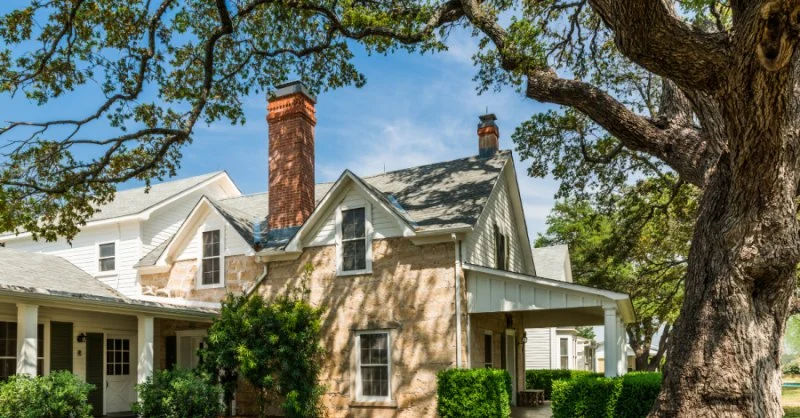
When landscaping your property, choosing the right trees can have a significant impact on your home’s curb appeal and overall value. Native trees are an excellent choice for homeowners looking to enhance their landscape, as they are adapted to the local environment, require less maintenance, and provide multiple ecological benefits. By incorporating native trees into your landscaping, you can create a beautiful, sustainable yard while boosting your property’s value.
Native trees blend naturally with the surrounding environment, and their presence helps to maintain the local ecosystem. They also support local wildlife, including birds and insects, creating a harmonious and biodiverse environment that enhances the attractiveness of your property to potential buyers.
2. Benefits of Planting Native Trees
Planting native trees on your property provides numerous advantages beyond aesthetic appeal. These benefits can contribute to a more attractive and sustainable landscape while boosting the overall value of your home:
2.1. Low Maintenance
Native trees are adapted to the local climate and soil, which means they require less water, fertilizer, and pesticides than non-native species. This makes them easier to care for, saving you both time and money in the long run.
2.2. Environmental Benefits
Native trees play a crucial role in maintaining local biodiversity and supporting wildlife. They provide habitat for birds, insects, and other creatures, fostering a healthy ecosystem right in your own backyard. Additionally, native trees can improve air quality, reduce soil erosion, and help manage stormwater runoff.
2.3. Increased Curb Appeal
One of the main reasons homeowners plant trees is to enhance the visual appeal of their property. Native trees can complement the architecture of your home, creating a welcoming and harmonious atmosphere. The right placement of trees can increase the “curb appeal” of your home, which is a key factor for attracting potential buyers.
3. Best Native Trees to Boost Property Value
When selecting native trees to plant, it’s essential to choose species that thrive in your specific region. Here are some of the best native trees to consider, each offering unique benefits for your landscape:
3.1. Oak Trees
Oaks are one of the most iconic native trees, offering a majestic appearance and long lifespan. These trees provide ample shade, enhance privacy, and contribute to a well-established landscape. Oak trees are highly valued by homebuyers due to their beauty and environmental benefits.
3.2. Maple Trees
Known for their stunning fall foliage, maples add vibrant color to your landscape. They are ideal for providing shade and creating a focal point in your yard. Their striking leaves make them an attractive addition to any property, especially in the autumn months.
3.3. Dogwood Trees
Dogwoods are smaller native trees that can fit well in tight spaces or along borders. They offer stunning flowers in the spring and beautiful red berries in the fall, attracting wildlife and adding year-round interest to your landscape.
3.4. Crape Myrtle Trees
Crape myrtles are beloved for their long-lasting, colorful blooms in the summer months. These trees are particularly well-suited for warmer climates and can add a pop of color and texture to any yard. Crape myrtles are an excellent way to attract attention to your property and enhance its value.
4. Landscaping Tips for Maximizing Property Value with Native Trees
To make the most of your native trees, consider these landscaping tips to maximize their impact on your property’s value:
4.1. Proper Tree Placement
When planting native trees, placement is key. Consider factors such as tree size at maturity, proximity to structures, and the amount of sunlight the tree will receive. Large trees like oaks should be planted away from buildings to avoid root damage or interference with power lines.
4.2. Create a Focal Point
Use native trees to create focal points in your landscape design. Planting trees near entryways, along driveways, or in the center of your lawn can draw attention to your home’s best features and enhance its visual appeal.
4.3. Incorporate Native Shrubs and Plants
Incorporating native shrubs, flowers, and groundcover around your trees can help create a cohesive, low-maintenance landscape. Layering different types of plants around your trees will add variety and make your yard feel more inviting.
5. Cost-Effective Ways to Plant Native Trees
While planting native trees can be a great investment in your property, there are several cost-effective ways to go about it:
5.1. Buy Smaller Trees
Smaller trees are generally less expensive than mature ones, and they can still grow to their full potential with the right care. Purchasing younger trees allows you to save money while still reaping the long-term benefits of adding trees to your property.
5.2. Check Local Nurseries and Garden Centers
Local nurseries often offer native trees at competitive prices, and they can provide guidance on the best species for your region. You may also be able to find sales or discounts for bulk tree purchases, which can help reduce costs.
5.3. Look for Incentive Programs
Many states and municipalities offer incentive programs or rebates for planting native trees, especially those that improve energy efficiency or provide ecological benefits. Check with your local government or environmental organizations to see if you qualify for any programs.
6. Maintaining Your Native Trees for Long-Term Value
To ensure your native trees continue to enhance your property for years to come, proper maintenance is crucial. Here are some essential tips:
6.1. Watering and Pruning
During the first few years, it’s important to water your trees regularly, especially during dry spells. Once established, native trees are more drought-tolerant. Regular pruning helps maintain their shape and health while removing dead or diseased branches.
6.2. Mulching
Applying mulch around the base of your trees helps retain moisture, reduce weeds, and regulate soil temperature. Be sure to apply mulch correctly, keeping it away from the tree trunk to prevent rot.
6.3. Monitor for Pests
While native trees are generally more resistant to pests, it’s still important to monitor them for signs of damage or disease. Regularly check for pests like aphids or caterpillars and address any issues early to prevent them from affecting your trees’ health.
7. Final Thoughts on Using Native Trees for Property Value
Incorporating native trees into your landscape is an excellent way to enhance your property’s value while promoting sustainability and environmental health. By choosing the right species, positioning them strategically, and providing proper care, you can create a beautiful and functional landscape that will be appreciated for years to come.
For high-quality native trees and landscaping advice, visit Beautiful Landscapes, where we offer a variety of plants and expert guidance to help you make the best choices for your home and garden.


 H&H Services Incorporated4.0 (7 reviews)
 Best Buds Landscape5.0 (3 reviews)
 Walmart Patio & Garden Services0.0 (0 reviews)
 Nicole Ann Landscapes5.0 (2 reviews)
 Creekside Turf Management, LLC5.0 (103 reviews)
 Solid Rock Landscaping LLC5.0 (35 reviews)
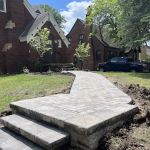
 How to Create a Front Walk That Makes a Great First Impression
 How to Cultivate a Wildflower Meadow at Home: A Step-by-Step Guide
 How to Choose Eco-Friendly Outdoor Flooring Options: Sustainable Choices for Your Garden
 How to Use Stepping Stones to Guide Garden Movement
 How to Build Raised Garden Beds That Last
 How to Build a Pathway That Blends With Nature: A Step-by-Step Guide