
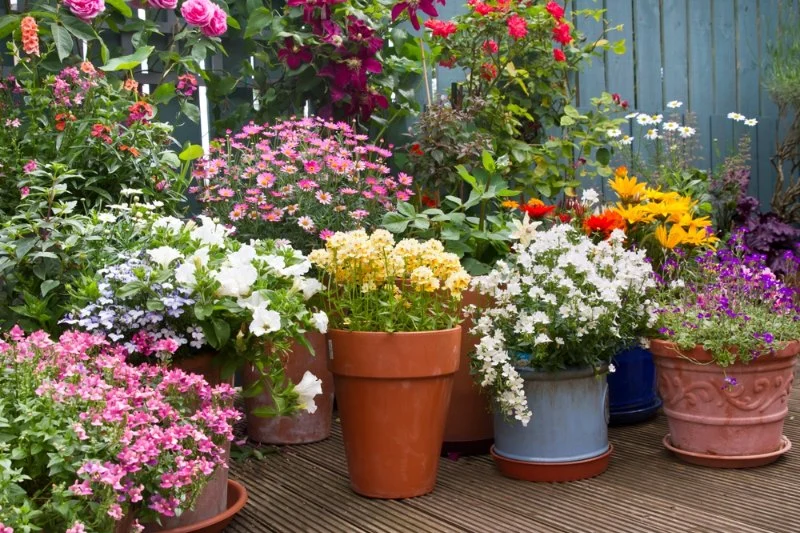
1. Introduction to Container Planting
Container planting is an excellent way to maximize your gardening potential, especially if you have limited space. Whether you live in an apartment, a small home, or a place with a tiny backyard, container gardening allows you to grow plants in pots or other containers rather than directly in the ground. This method makes gardening accessible to people with small outdoor areas or even those with no yard at all.
Container planting is not only practical but also offers the flexibility to design your garden to fit your space and aesthetic preferences. You can arrange containers on patios, balconies, windowsills, or even indoors. It’s an innovative solution for anyone looking to enjoy the beauty and benefits of gardening in a confined space.

Legacy Lawn & Landscape LLC
RiponFond du Lac CountyWisconsin
744 E Fond du Lac St, Ripon, WI 54971, USA
2. Benefits of Container Gardening
There are many reasons to start container gardening in small spaces, beyond just the limited room. Here are some of the key benefits:
- Space Efficiency: Container gardening allows you to grow a variety of plants in small spaces. You can maximize your outdoor area by stacking pots, placing them on shelves, or using vertical gardening techniques.
- Better Control Over Soil Quality: With containers, you can use high-quality potting soil, which is crucial for healthy plant growth. This also makes it easier to avoid soil-borne pests and diseases.
- Portability: Containers are portable, meaning you can move them around to get optimal sunlight or to protect plants from harsh weather conditions.
- Low Maintenance: Container gardens are typically easier to maintain than traditional gardens. They allow for better water drainage, making overwatering less of a concern.
Overall, container gardening is an ideal choice for people with small spaces who want to grow their own food or create a beautiful garden without the need for a large yard.

3. Choosing the Right Containers
The key to a successful container garden is choosing the right containers. Different plants have different needs, and the container you select should support those needs. Here are some tips on choosing the best containers:
- Size: Ensure that the container is large enough for the plant's root system to grow. Plants like tomatoes and herbs require deeper containers, while flowers or small vegetables may do well in smaller pots.
- Material: Containers come in various materials, including plastic, clay, ceramic, and wood. Plastic pots are lightweight and retain moisture well, while clay pots allow for better airflow to the roots but tend to dry out faster.
- Drainage: Always choose containers with drainage holes. Proper drainage is essential to prevent waterlogging, which can lead to root rot. If your container doesn’t have holes, consider drilling some yourself.
- Style: Don’t forget about the aesthetics! Choose containers that match your space and personal style. Whether you prefer sleek modern pots or rustic terracotta, the container can be an extension of your home décor.
4. Best Plants for Small Spaces
When it comes to container planting, certain plants thrive better in smaller, confined spaces. Here are some of the best plant options for small gardens:
- Herbs: Herbs like basil, mint, rosemary, and parsley are perfect for small spaces. They’re easy to grow in containers and can even thrive on windowsills.
- Succulents: Succulents require minimal maintenance and are perfect for small pots. They are drought-tolerant and come in various shapes and sizes, making them ideal for both indoors and outdoors.
- Tomatoes: Dwarf or cherry tomato varieties are excellent for container gardens. They don’t require as much space and can produce a generous harvest in small pots.
- Flowering Plants: Plants like geraniums, petunias, and begonias add color and vibrancy to any space, and they do well in containers.
When selecting plants, it’s important to consider their sunlight and water needs, as well as the size of the container. By choosing the right plants for your space, you can create a beautiful and productive container garden that will flourish in even the smallest areas.
5. Tips for Successful Container Planting
To ensure that your container garden thrives, here are a few essential tips:
- Use the Right Soil: Always use high-quality potting mix, not regular garden soil. Potting mix is designed to provide better drainage and support healthy root growth.
- Water Properly: Container plants tend to dry out faster, so make sure to water them regularly. However, avoid overwatering, as this can lead to root rot. Ensure that your containers have proper drainage to allow excess water to escape.
- Fertilize Regularly: Plants in containers have limited access to nutrients, so it’s important to fertilize regularly. Use a balanced, water-soluble fertilizer to keep your plants healthy and productive.
- Provide Adequate Sunlight: Make sure your plants get the right amount of sunlight. Most vegetables and flowering plants need at least 6 hours of direct sunlight per day. Consider moving your containers around to get the best light.
6. Where to Find Gardening Supplies
If you're looking for high-quality container gardening supplies, Beautiful Landscapes offers everything you need, from pots and planters to premium potting soil and fertilizers. Whether you're just starting your container garden or looking for a few new supplies, they have a wide range of products to suit your needs. Check out their website for a selection of gardening essentials to help your container plants thrive!
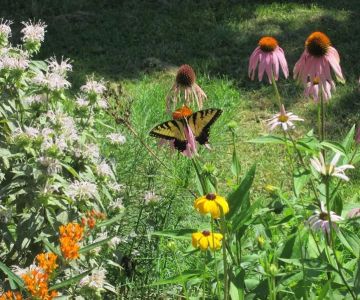
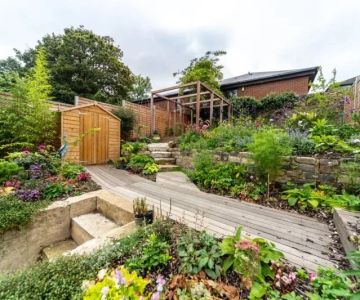
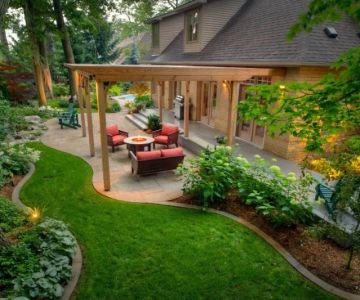
 Choice Landscape & Lawncare5.0 (2 reviews)
 Schmidt's Services5.0 (7 reviews)
 Bear Landscaping and Snow Removal LLC4.0 (20 reviews)
 Waterfalls and Landscaping Co.0.0 (0 reviews)
 Kalamazoo Garden Design & Maintenance4.0 (24 reviews)
 Josh Newsome's Tree Surgery4.0 (59 reviews)
 Best Native Plants for Drought-Tolerant Landscaping: A Guide for Sustainable Gardening
 How to Create a Butterfly Pathway Through Your Garden
 How to Revive a Neglected Lawn Step by Step
 How to Plan Outdoor Fire & Water Features Harmoniously
 How to Deal With Sloped Yards: Terracing & Retaining Walls
 How to Use Perennial Borders to Frame Walkways: Tips for Stunning Garden Designs