
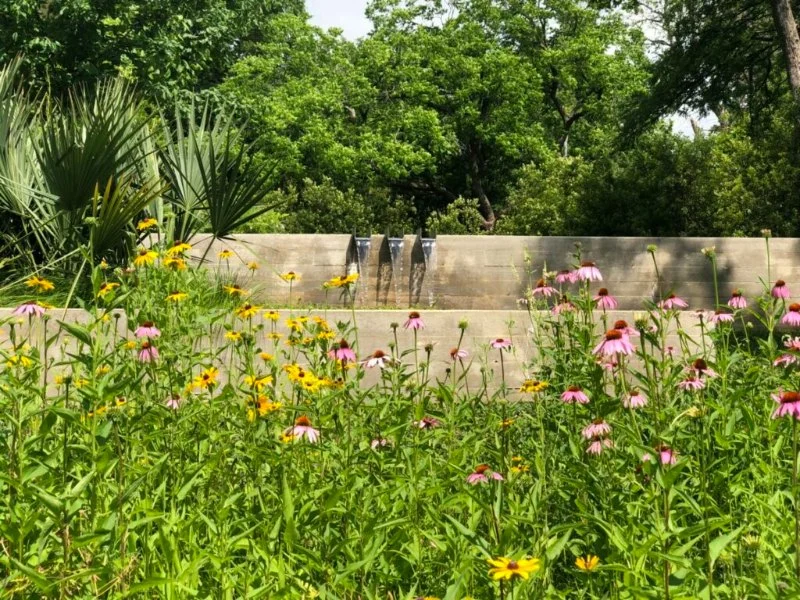
How to Build a Garden That Works With Local Climate
- Understanding-Local-Climate-for-Garden-Design
- Choosing-Plants-That-Adapt-to-Your-Climate
- Sustainable-Gardening-Techniques-for-Climate
- Real-Life-Garden-Examples-Based-on-Climate
- Long-Term-Maintenance-Tips-for-Climate-Based-Gardens
1. Understanding Local Climate for Garden Design
Building a garden that works with the local climate is essential for creating a thriving, low-maintenance space. Different regions experience different weather patterns, temperatures, and levels of humidity, and each of these factors significantly affects plant growth. Before designing your garden, it's important to understand your local climate, including seasonal temperature variations, rainfall, and sunlight levels.
1.1 Climate Zones and Their Impact on Gardening
The United States is divided into climate zones based on temperature and growing conditions. The USDA Plant Hardiness Zone Map is a useful tool for gardeners to understand which plants are most likely to thrive in their specific area. Whether you’re in a hot, dry zone or a cool, temperate region, knowing your zone helps you select the best plants suited to the local climate.
1.2 Factors Influencing Your Local Climate
Several factors influence the climate in your area, including altitude, proximity to bodies of water, and urban heat islands. These variables can impact the temperature extremes in your garden and affect what plants will survive. For example, coastal regions experience milder winters, while inland areas can have more extreme temperature fluctuations. Understanding these nuances allows you to make informed choices when designing your garden.
2. Choosing Plants That Adapt to Your Climate
One of the most important steps in building a climate-appropriate garden is selecting plants that can thrive in your specific conditions. Choosing native or climate-adapted plants ensures they will require less water, maintenance, and pest control over time, making them perfect for low-maintenance gardens.
2.1 The Benefits of Native Plants
Native plants are naturally adapted to the local climate and soil conditions, making them more resilient to drought, pests, and diseases. They also attract local wildlife, such as birds and pollinators, creating a more biodiverse environment. For example, if you live in a dry region like California, drought-tolerant native plants such as lavender, yucca, and succulents are excellent choices for your garden.
2.2 Considering Water Requirements
Different plants have different water needs. When planning your garden, consider how much rainfall your area receives and choose plants that match these needs. For areas with little rainfall, drought-tolerant plants or xeriscaping techniques are ideal. In contrast, areas with ample rainfall may allow for lush, water-loving plants like ferns, hostas, and hydrangeas.
2.3 Selecting Plants Based on Sunlight Exposure
Understanding the amount of sunlight your garden receives each day is also essential when selecting plants. Some plants, such as sunflowers and tomatoes, thrive in full sun, while others, like ferns and ivy, prefer shaded areas. Pay attention to how much direct sunlight different areas of your garden get throughout the day and choose your plants accordingly.
3. Sustainable Gardening Techniques for Your Climate
Sustainability is key when creating a garden that works well with your local climate. By choosing the right techniques, you can conserve resources, reduce waste, and promote a healthy garden environment that thrives for years to come.
3.1 Water Conservation Strategies
In areas with limited water resources, using rainwater harvesting systems and drip irrigation can help reduce water waste. Collecting rainwater in barrels and using it to water your garden reduces reliance on municipal water systems. Drip irrigation systems also target the base of plants, reducing evaporation and ensuring water goes directly to the roots.
3.2 Composting and Soil Health
Healthy soil is essential for a thriving garden. Composting organic matter, such as kitchen scraps, leaves, and grass clippings, helps enrich the soil with nutrients. Proper soil amendments also ensure better moisture retention and provide plants with the necessary nutrients to grow strong and healthy.
3.3 Mulching for Temperature Control
Mulch helps regulate soil temperature, retain moisture, and suppress weed growth. In hot climates, mulch helps keep the soil cool, while in colder regions, it acts as an insulator, protecting plant roots from frost. Organic mulches, such as wood chips, straw, or leaves, break down over time and contribute to soil health.
4. Real-Life Garden Examples Based on Climate
To illustrate the impact of climate on gardening, let’s look at a couple of examples of gardens designed with local conditions in mind.
4.1 Xeriscape Garden in a Dry Climate
In the southwestern United States, a couple in Arizona transformed their dry, water-scarce yard into a beautiful xeriscape garden. By choosing native plants like cacti, agave, and yucca, they created a vibrant landscape that required little water. They incorporated gravel paths, rock features, and drought-tolerant plants to create a low-maintenance, stunning garden that thrives in the region’s extreme heat.
4.2 Rain Garden in a Wet Climate
In the Pacific Northwest, where rainfall is abundant, a homeowner in Seattle designed a rain garden to manage stormwater runoff. By selecting moisture-loving plants such as ferns, irises, and sedges, they created a lush, eco-friendly garden that not only enhanced the landscape but also helped with water absorption during heavy rains. This garden design addresses both local weather patterns and environmental concerns.
5. Long-Term Maintenance Tips for Climate-Based Gardens
Once your garden is established, it’s important to maintain it in a way that supports its long-term health while adapting to seasonal changes. Proper care ensures your garden continues to thrive throughout the year, regardless of climate challenges.
5.1 Seasonal Care and Adjustments
Throughout the year, your garden will require different care depending on the season. In colder climates, it’s important to protect plants from frost by covering them or moving them to sheltered areas. In warmer climates, shading plants during heat waves and providing extra water may be necessary. Keep an eye on the weather and adjust your care routine as needed.
5.2 Regular Pruning and Plant Rotation
Regular pruning helps keep plants healthy by removing dead or damaged growth and promoting new shoots. Additionally, rotating plants periodically can help prevent soil depletion and ensure that no area of the garden is overburdened. By rotating plants, you allow the soil to recover and maintain a balanced ecosystem.
Building a garden that works with your local climate doesn’t have to be difficult. By understanding your environment, selecting appropriate plants, and employing sustainable gardening techniques, you can create a garden that is both beautiful and functional. Whether you live in a dry desert or a lush, rainy region, a well-planned garden tailored to local conditions can thrive for years to come.

 Complete Lawn & Garden Service5.0 (1 reviews)
 D Ramm Services5.0 (4 reviews)
 Land Escapes Inc4.0 (10 reviews)
 Envision Landscaping5.0 (1 reviews)
 SuperGreen4.0 (109 reviews)
 TARGET FENCING & LANDSCAPING LLC5.0 (7 reviews)
 How to Use Lighting to Highlight Trees and Focal Plants – Tips for Stunning Landscapes
 How to Create Visual Flow Between Front and Back Yards
 How to Use Container Planting in Small Spaces
 How to Create a Front Yard That Requires No Mowing
 How to Protect Plants From Frost & Freeze Damage - Essential Tips for Gardeners
 How to Landscape Around a Pool With Height & Depth