
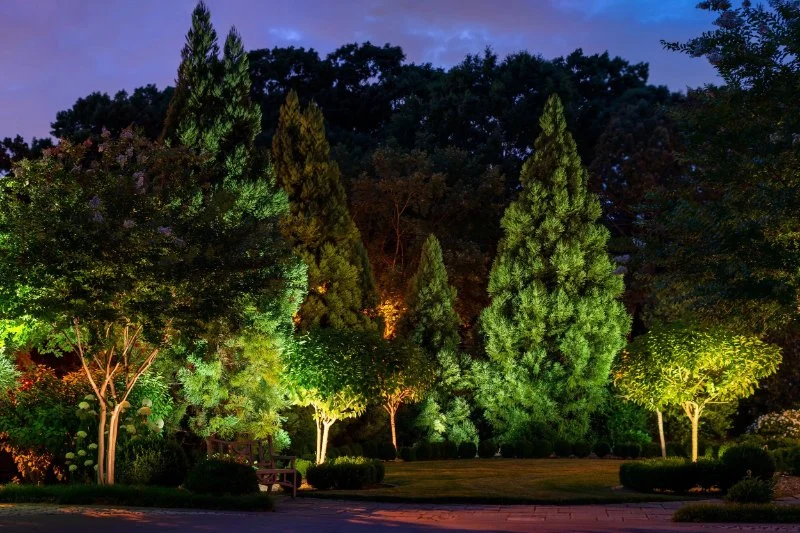
Understanding Lighting for Trees and Focal Plants
Lighting plays a crucial role in enhancing the beauty of your garden by highlighting focal plants and trees, especially at night. By choosing the right type of lighting, you can create dramatic effects, make your plants stand out, and set the mood for your outdoor space. However, it’s important to understand how lighting works with plants and trees to achieve the best results.

Brush Creek Landscaping and Lawn Care
22117 Co Rd F, Archbold, OH 43502, USA
Why Lighting is Important for Trees and Plants
Effective lighting transforms the appearance of trees and focal plants, drawing attention to their shape, texture, and color. Properly illuminated plants add depth and dimension to your landscape, creating a dynamic and inviting atmosphere. It also highlights seasonal changes, like the blossoming of flowers or the unique textures of bark in winter.

A Top Notch Tree Service
ElizabethtownHardin CountyKentucky
2146 Hutcherson Ln, Elizabethtown, KY 42701, USA
Types of Lighting for Gardens
When it comes to garden lighting, there are several types of lighting techniques that can be used to showcase trees and plants. Each type of lighting creates a different effect, from soft, subtle illumination to bold, dramatic shadows. Here are some popular types:
1. Uplighting
Uplighting involves placing lights at the base of a tree or plant and pointing them upwards to illuminate the foliage or trunk. This technique works well for large trees, as it highlights their structure and creates a dramatic effect against the night sky.
2. Downlighting
Downlighting is the opposite of uplighting, where lights are placed higher up in trees or overhead structures to cast soft light down onto plants. This method mimics natural moonlight and is ideal for illuminating pathways or smaller plants.
3. Spotlights
Spotlights are perfect for drawing attention to a specific tree or plant. By focusing intense light on a single focal point, spotlights create a sharp contrast between light and shadow, emphasizing the beauty of the plant or tree.
4. Path Lighting
Path lighting helps illuminate walkways while providing soft light to the surrounding plants. This type of lighting is perfect for creating a gentle glow around shrubs or low-lying plants without overwhelming the space.
Designing Lighting to Highlight Focal Plants
Designing lighting to highlight focal plants or trees requires thoughtful placement and an understanding of how different plants look under various types of lighting. Here’s how to create an eye-catching display:
1. Focus on Key Features
Identify the key features of your trees and plants that you want to highlight. For example, if you have a tree with beautiful bark or unique branches, consider uplighting to create dramatic shadows that emphasize the texture. For flowering plants, downlighting can enhance their color and make the flowers stand out at night.
2. Layer Your Lighting
Using multiple lighting layers adds depth and dimension to your garden. Combine uplighting for trees with path lighting for plants along walkways to create a balanced and harmonious effect. This layered approach creates a beautiful flow between different areas of your garden.
3. Consider the Plant’s Growth
As plants grow and change throughout the seasons, the lighting setup should adapt to these changes. Some plants might have low foliage during certain seasons, which means you'll need to adjust the lighting to maintain the desired effect. Regularly assess your lighting setup to ensure it complements the plant’s growth.
Choosing the Right Lighting Angles and Techniques
The angle at which you position your lights is crucial for achieving the desired effect. Experiment with different angles and intensities to highlight different aspects of your trees and plants. Here are some tips:
1. Low Angles for Drama
Positioning lights at a low angle, such as using uplighting, creates dramatic shadows and highlights the shape of trees and plants. This effect is especially striking for large, sculptural trees that have interesting branches or trunks.
2. High Angles for Subtlety
Using downlighting from a higher position creates a softer, more natural effect, perfect for highlighting delicate flowers or smaller plants. The soft light mimics moonlight and creates a peaceful, ambient atmosphere.
3. Adjust for Seasons
As the seasons change, so do the lighting needs of your garden. In winter, when the leaves have fallen from trees, you might want to adjust the light placement to highlight the branches and create a more sculptural effect. In summer, when plants are lush and full, soft downlighting can create a peaceful ambiance.
Real-Life Case: Enhancing a Garden with Lighting
Consider the case of the Wilson family, who wanted to enhance their garden with lighting to highlight a few beautiful trees and focal plants. They decided to use uplighting for their large oak tree to showcase its grand branches and downlighting for their flower beds to emphasize the vibrant colors of their plants. After setting up the lights, they were amazed at how the lights brought out the textures and colors of the plants, transforming their garden into a stunning nighttime landscape.





 Dentino Lawn Designs4.0 (97 reviews)
 Abbey Landscape & Design Concepts, ltd4.0 (3 reviews)
 Roudabush Lawn Care, LLC4.0 (67 reviews)
 Tuscan Valley Landscaping0.0 (0 reviews)
 The Wright Landscapers4.0 (5 reviews)
 Clem’s Lawncare4.0 (10 reviews)
 How to Landscape With Ornamental Edibles for Dual Use
 How to Use Perennial Borders to Frame Walkways
 How to Choose the Right Plants for Container Combinations: Tips for Beautiful Displays
 How to Create a Front Walk That Makes a Great First Impression
 How to Choose the Right Mulch for Your Garden Beds
 How to Landscape a Small Urban Backyard: Tips and Ideas