
How to Choose the Right Mulch for Your Garden Beds
Mulch Overview
Mulch is an essential component of any garden, offering a variety of benefits such as improving soil health, conserving moisture, and preventing weeds. When it comes to garden beds, choosing the right mulch can make a significant difference in plant health and the overall aesthetics of your garden. With so many different types of mulch available, it can be overwhelming to choose the right one. In this guide, we’ll break down the different types of mulch, their benefits, and tips for selecting the best option for your garden beds.

Types of Mulch
There are two main types of mulch: organic and inorganic. Each type has its own set of benefits and drawbacks, so it's important to choose the right one for your garden’s needs.
Organic Mulch
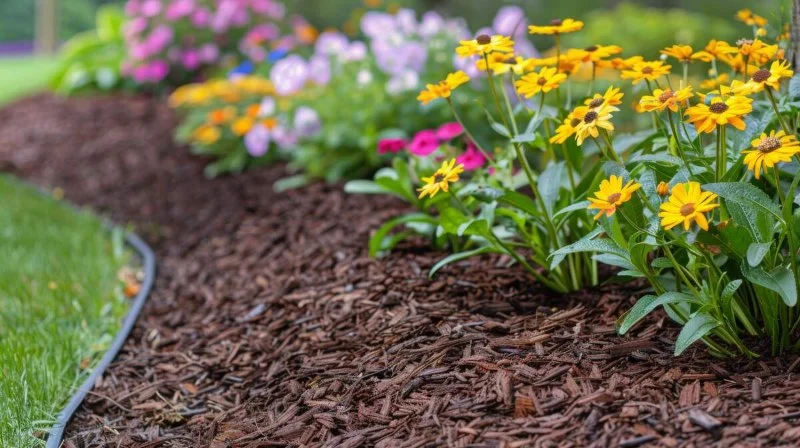
Organic mulches are made from natural materials such as wood chips, bark, straw, and leaves. These mulches break down over time, adding nutrients to the soil and improving its structure. Organic mulches are great for plants that require a nutrient-rich environment. Common examples include:
- Wood Chips: Often used for decorative purposes, wood chips decompose slowly and provide long-lasting coverage.
- Straw: Ideal for vegetable gardens, straw helps retain moisture and keeps the soil warm.
- Grass Clippings: Grass clippings decompose quickly and provide a rich source of nitrogen.
- Leaf Mold: Made from decomposed leaves, this mulch improves soil structure and promotes healthy root development.
Inorganic Mulch
Inorganic mulches, such as rocks, pebbles, and plastic sheeting, do not decompose. While they do not add nutrients to the soil, they are often used for decorative purposes or for weed prevention. Common examples include:
- Rubber Mulch: Made from recycled rubber, it is durable and long-lasting but does not improve soil quality.
- Gravel: Gravel is often used for pathways or in areas where a decorative look is desired.
- Plastic or Landscape Fabric: This type of mulch is often used to prevent weed growth but does not contribute to soil health.
Benefits of Using Mulch
Mulching offers numerous benefits for your garden. Here are some key advantages:
- Weed Control: Mulch acts as a barrier, preventing weed seeds from germinating and reducing the need for chemical herbicides.
- Moisture Retention: Mulch helps retain moisture in the soil, reducing the need for frequent watering, especially in hot weather.
- Soil Improvement: Organic mulches decompose over time, adding valuable nutrients to the soil and improving its structure.
- Temperature Regulation: Mulch insulates the soil, keeping it cooler in the summer and warmer in the winter.
- Enhanced Aesthetics: Mulch enhances the appearance of your garden, creating a neat and tidy look.
How to Choose the Right Mulch
When choosing mulch for your garden beds, consider the following factors:
1. Plant Type
Different plants have different needs. For instance, vegetables may benefit from organic mulches like straw, while flowers may thrive with a mix of wood chips and bark. Understand the specific needs of the plants in your garden before making a selection.
2. Climate
In hot climates, mulch that retains moisture, such as straw or grass clippings, can be ideal. In cooler climates, a heavier mulch like bark or wood chips may be better suited for insulating the soil.
3. Aesthetic Preferences
Mulch comes in many colors and textures, so consider the visual appeal of the mulch when choosing it for your garden. Organic mulches like cedar chips and pine bark offer a natural look, while rubber mulch and gravel provide a more contemporary or low-maintenance appearance.
4. Budget
While organic mulches like shredded leaves and grass clippings are inexpensive, high-quality bark and decorative mulch can be more expensive. Consider your budget and how much mulch you need for your garden.
By considering these factors, you can choose the right mulch that will improve the health and appearance of your garden beds.
If you're looking for high-quality mulch and gardening supplies, visit Beautiful Landscapes for a wide selection of products and services tailored to your gardening needs.

 Brown Enterprises Landscaping4.0 (10 reviews)
 Cory's Landscaping and Design, LLC1.0 (1 reviews)
 Coulee Region Landscape & Design LLC5.0 (8 reviews)
 Amelon Lawn Care LLC5.0 (3 reviews)
 Ewing Landscape LLC3.0 (2 reviews)
 Madison Green Team4.0 (26 reviews)
 How to Shield Plants From Strong Winds in Your Yard
 How to Choose Outdoor Furniture That Complements Landscape
 How to Reduce Maintenance with Smart Plant Grouping
 How to Plan a Garden for Succession Blooming
 How to Plan an Entryway Garden That Welcomes Guests
 How to Build Garden Steps That Look Natural